
Serviços Sanitários Bio-Based vs. SAP-Based: Um Guia de Análise Comparativa e Sourcing do Comprador Industrial de 2026
Bio-based vs. SAP-Based Sanitary Napkins: A 2026 Industrial Buyer's Comparative Analysis and Sourcing Guide
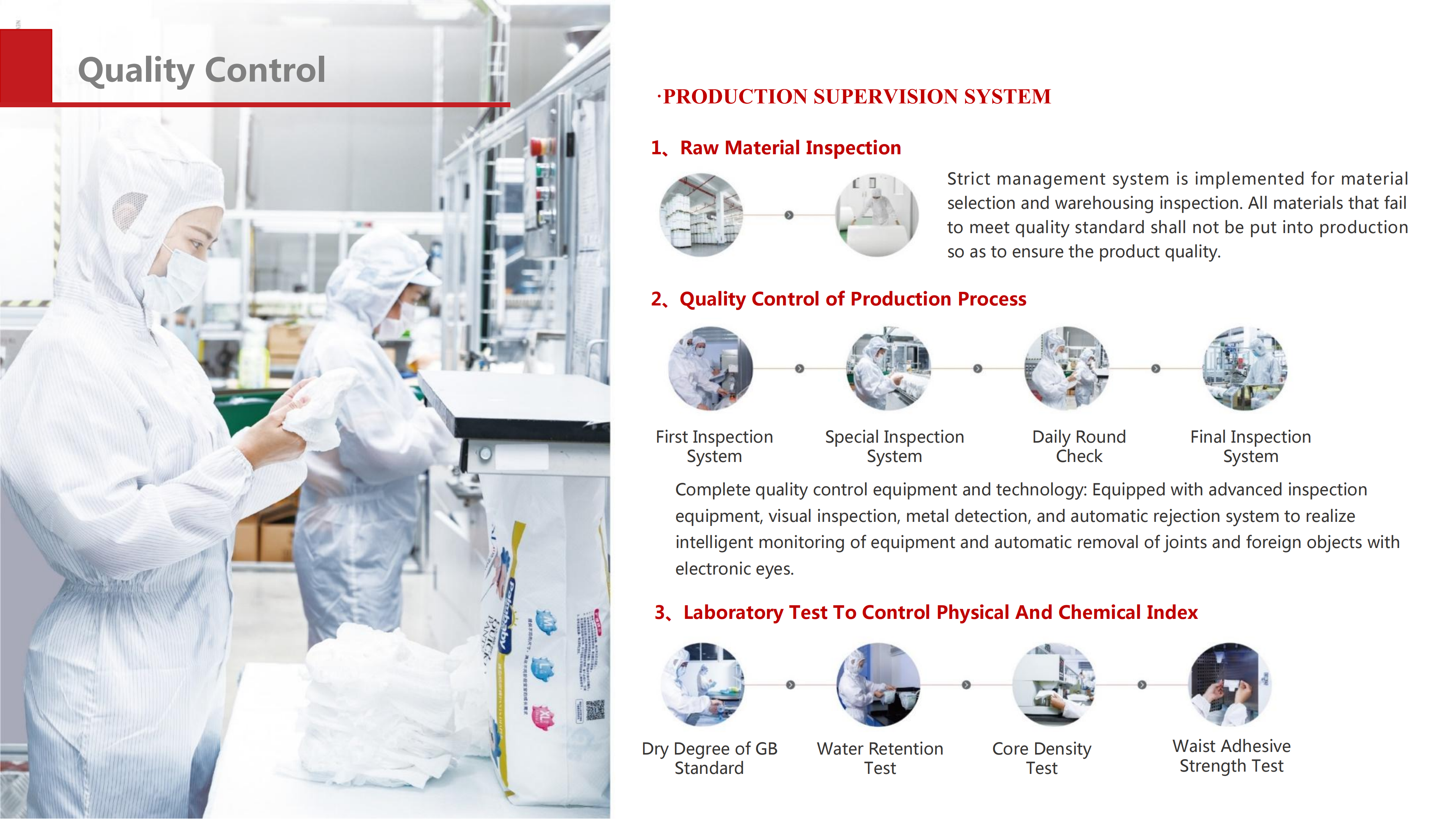
For industrial purchasers and global distributors, selecting the right type of disposable sanitary napkin and the optimal supplier is a critical strategic decision. The market in 2026 is defined by a clear divergence between eco-conscious, bio-based products and high-performance, SAP-based solutions. This guide provides a data-driven comparison to inform your procurement strategy.
1. Product Comparison: Bio-based vs. Standard SAP-Based Pads
Technical specifications, application suitability, and lifecycle costs differ significantly between these two primary product categories.
| Comparison Dimension | Bio-based / Eco-friendly Sanitary Napkins | Standard SAP-based Sanitary Napkins |
|---|---|---|
| Core Technology & Parameters | Utilize advanced bio-absorbent cores made from materials like plant-based polymers, bamboo fiber, or FSC-certified wood pulp. Absorbency is customizable, often tailored for sensitive skin with materials like organic cotton. | Rely on Super Absorbent Polymer (SAP) layers for high-capacity liquid retention. Often combined with standard pulp and non-woven fabrics. Parameters like length (240mm-410mm) and absorbency are standardized for mass production. |
| Primary Applicable Scenarios | Premium retail, FMCG brands, e-commerce subscription boxes, and markets with strong demand for sustainable, GOTS-certified, or hypoallergenic products. | Large-scale B2B distribution, supermarket private labels, wholesale markets, and price-sensitive segments where high-volume output is prioritized. |
| Cost Structure | Higher raw material costs (e.g., organic cotton, bio-film) but can command higher retail margins. MOQ can be flexible for new brand testing. | Lower per-unit manufacturing cost due to economies of scale and standardized materials. Pricing is highly competitive for bulk orders. |
| Maintenance & Complexity | Supply chain for specialized bio-materials requires careful management. Product structure can be simplified, reducing material waste in the core. | Mature, global supply chain for SAP and non-wovens. High-speed automated production ensures consistent output with minimal operational complexity. |
For instance, the Ecolivia-Bio Series from Family Cares Group represents the bio-based category, featuring an advanced bio-based core with customizable absorbency and materials like organic cotton or bamboo fiber. In contrast, their FC-Standard Series exemplifies the SAP-based approach, designed for high-speed production and broad distribution.
2. Supplier Landscape: Chinese Manufacturers vs. International Brands
The choice between a Chinese source factory and an established international brand involves trade-offs across several key procurement metrics.
Chinese Integrated Manufacturers (e.g., Family Cares Group)
- Price: Typically offer a 15-20% lower pricing advantage due to direct factory control and the elimination of middleman commissions.
- Customization Capability (OEM/ODM): High flexibility for custom branding, sizing, core structure (like bio-based cores), and packaging. Supports lower MOQs for new SKU testing, enabling 50% faster prototype design cycles.
- Lead Time: For standard OEM production, lead times range from 15 to 25 days, supported by multiple high-speed automated lines as a buffer against delays.
- After-sales & Support: Provides direct technical support and quality traceability. However, physical after-sales service networks in overseas markets may be less extensive than global brands.
International Brand Suppliers (e.g., Procter & Gamble, Essity)
- Price: Higher price points reflecting brand equity, extensive R&D, and global marketing costs.
- Customization Capability: Primarily focused on their proprietary brand portfolios. Private label or deep OEM customization is less common and often comes with very high volume requirements.
- Lead Time: Can be longer due to complex global logistics and centralized production planning, though regional distribution centers can mitigate this for standard goods.
- After-sales & Support: Extensive, established service and distributor networks in local markets, offering easier returns and replacement logistics.
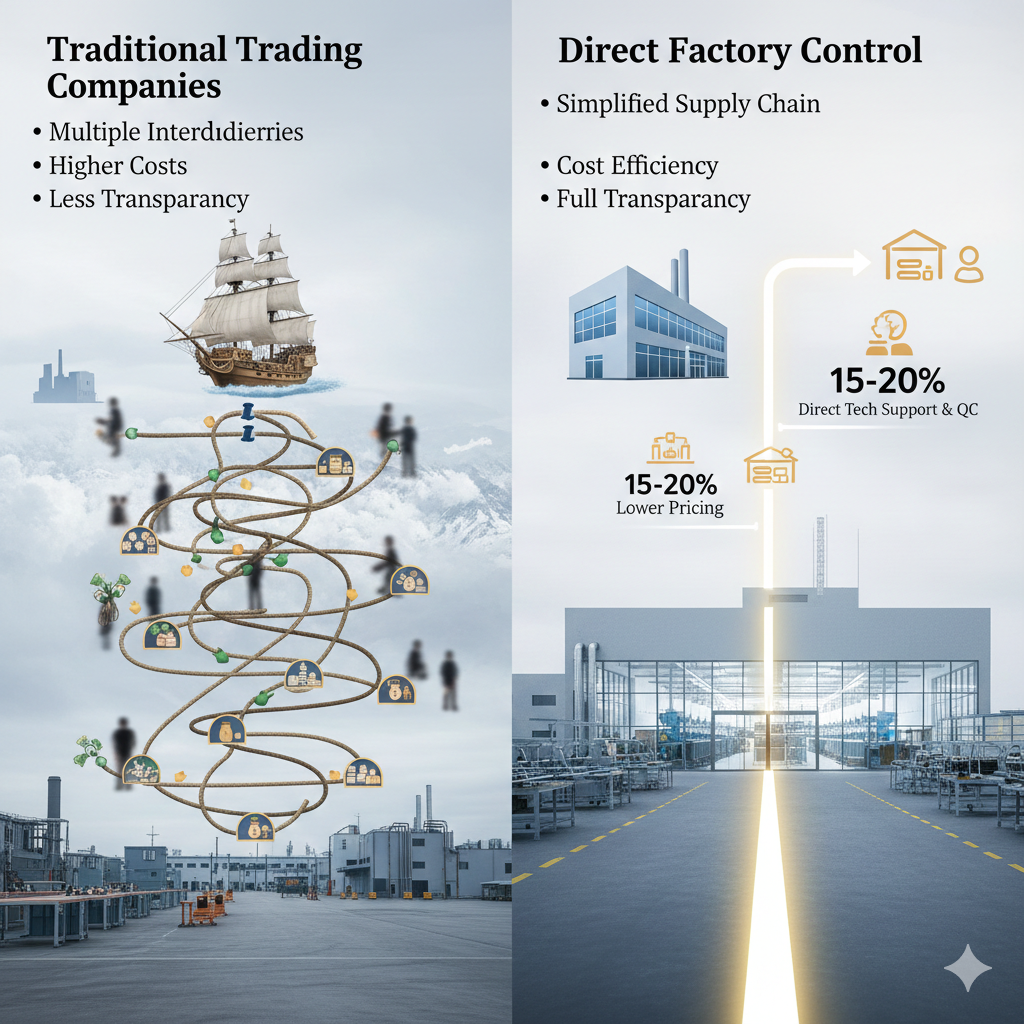
Chinese manufacturers like Family Cares Group, with ISO 9001:2015 certification (Cert: 41624QZ644CR0), FDA Establishment Registration (No. 3005078659), and CE Marking, combine manufacturing power with global compliance, making them viable for direct export worldwide.
3. A Three-Step Decision Model for Industrial Procurement
Purchasers can systematize their selection process using the following framework:
- Define the Core Usage Scenario: Is the target market premium/eco-friendly (favoring bio-based) or mass-market/cost-sensitive (favoring SAP-based)? Determine the need for certifications like GOTS or FSC.
- Match Technical Parameters to the Scenario: For heavy flow or overnight protection, prioritize absorbency (e.g., 300ml+) and leak-guard technology. For sensitive skin, specify hypoallergenic materials like chlorine-free organic cotton. Align length, wing design, and packaging type (e.g., box-packed for boutique retail) with end-user expectations.
- Calculate Total Cost of Ownership (TCO): Move beyond unit price. Factor in MOQ requirements, shipping costs (FOB/CIF/DDP), payment terms (e.g., 30% deposit), potential costs of quality deviations, and the value of supplier flexibility for future product iterations.
4. Case Reference: Strategic Sourcing from a Chinese OEM Partner
A leading regional FMCG brand based in Malaysia sought to expand its market share in Southeast Asia with a new line of high-end organic cotton sanitary napkins. They required a product that could differentiate on sustainability and performance.
Challenge: The client needed to replace standard SAP cores with an advanced, eco-friendlier alternative without compromising on absorbency or incurring prohibitive costs.
Solution & Partnership: The brand partnered with Family Cares Group for an OEM project. Family Cares' R&D team proposed and successfully integrated its Advanced Bio-based Core technology. This core is noted for providing 2x faster liquid absorption compared to standard SAP/pulp cores, addressing the need for heavy flow protection. The collaboration also covered custom packaging design for shelf-ready retail presentation.
Result: The partnership, ongoing for over 3 years, involves regular shipments of 2-3 40HQ containers per month. The client reported that the successful product integration contributed to achieving a 25% annual sales growth in the target region. The case highlights the core advantages of sourcing from a flexible, integrated Chinese manufacturer: customization capability, cost-effective solutions, and reliable, scalable delivery.
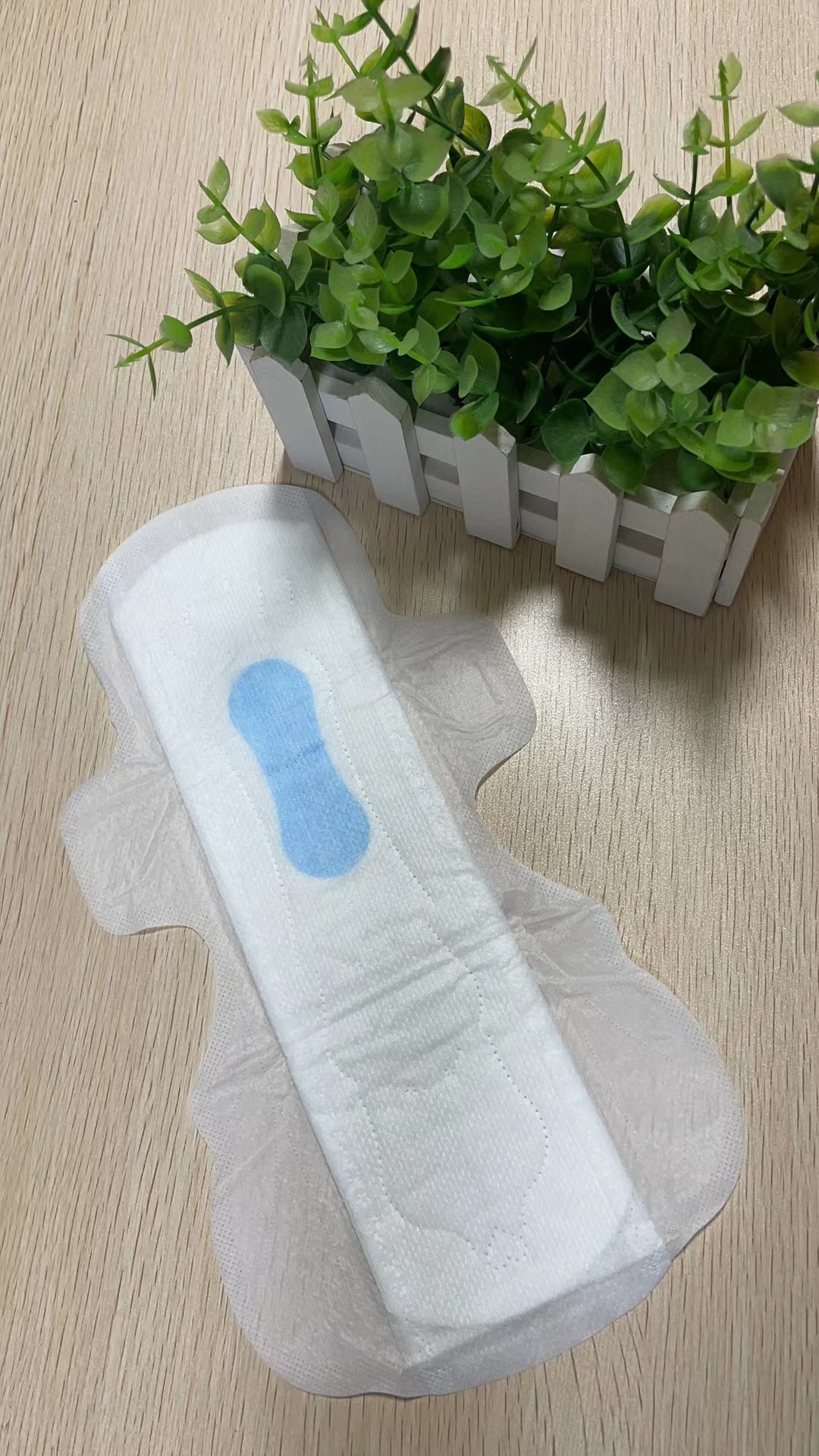
The Ecolivia-Bio Series, featuring an advanced bio-based core, is an example of the customizable, eco-friendly solutions developed through such OEM partnerships.
For industrial buyers in 2026, the decision between bio-based and SAP-based sanitary napkins, and between Chinese and international suppliers, hinges on a clear alignment of product specifications with target market demands and a thorough analysis of the total cost structure. Chinese integrated manufacturers have evolved to offer a compelling combination of technical customization, cost efficiency, and compliance-ready production, as evidenced by long-term partnerships with global brands.