
Guia de Como 2026: Integrar a Terapia de Oxigênio Hiperbária (HBOT) em Operações Clínicas e de Bem-Estar
How-To Guide 2026: Integrating Hyperbaric Oxygen Therapy (HBOT) into Wellness and Clinical Operations
Hyperbaric Oxygen Therapy (HBOT) is increasingly adopted across wellness centers, sports recovery clinics, and rehabilitation facilities. This how-to guide outlines the key operational, technical, and compliance considerations for successfully integrating a soft shell or portable hyperbaric chamber into your service offerings.
1. Defining Your Application and Requirements
The first step is to clearly define the primary use case, as this dictates the required chamber specifications and supporting systems.
- Health & Wellness: For applications aimed at improving sleep, enhancing immunity, and supporting daily health management, a standard pressure chamber (e.g., 1.3 ATA or 1.5 ATA) is typically sufficient.
- Beauty & Anti-Aging: In this scenario, the chamber's role is to promote collagen regeneration, brighten skin tone, and accelerate skin repair. Chambers designed for comfort and user experience are key.
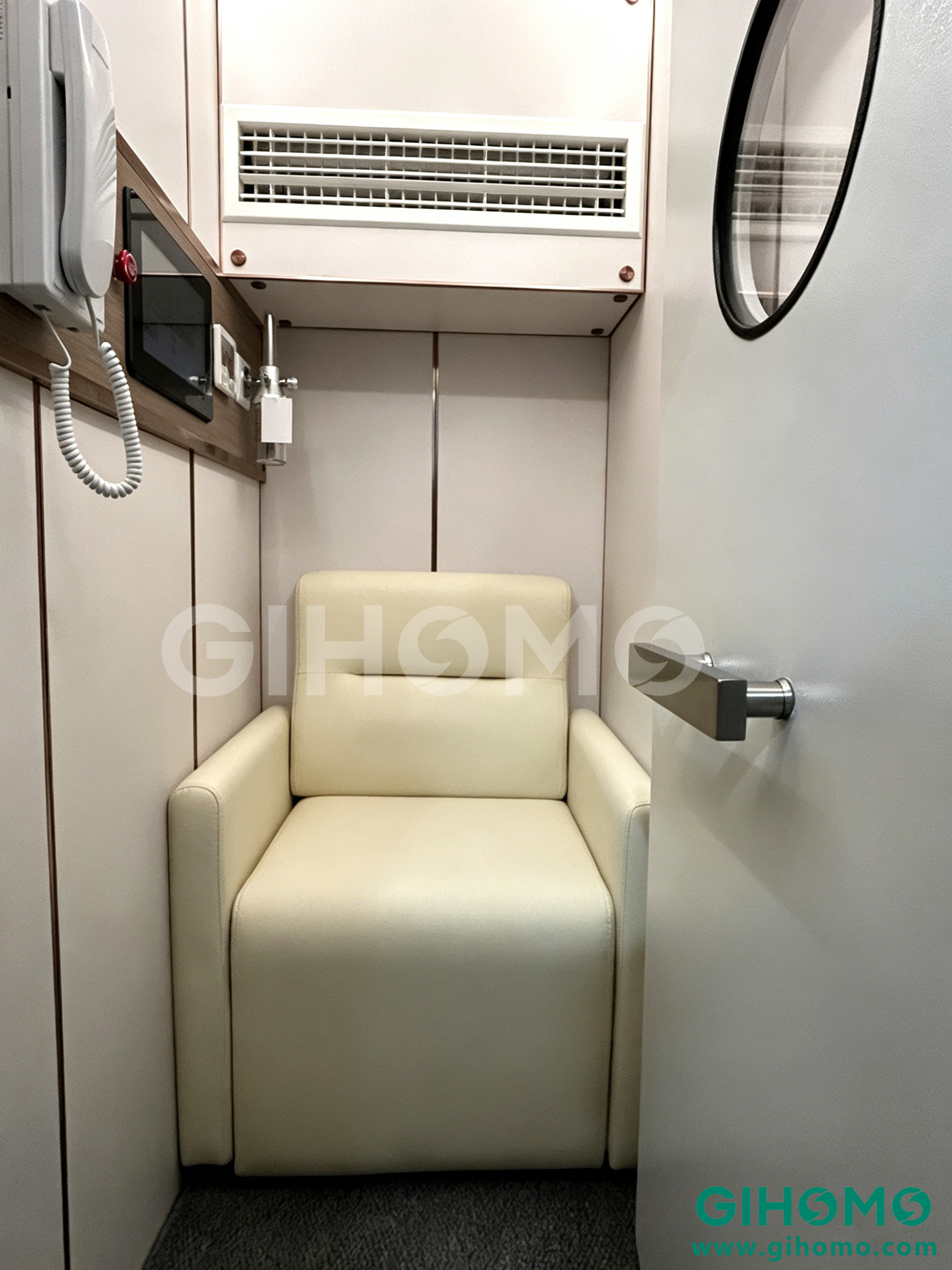
- Sports Recovery: For rapid recovery post-exercise, chambers must support efficient operation cycles. Models like the GIHOMO STW01 sitting type or C900 hard shell chamber are examples built for such environments.
- Clinical Rehabilitation: For adjuvant therapy supporting wound healing or other conditions, reliability, safety features, and clear operational protocols are paramount.
2. Core Technical and Environmental Setup
Proper setup is critical for safety, efficacy, and equipment longevity. The product is designed for 24/7 operation in indoor, cool, and ventilated environments.
Required Supporting Equipment Checklist:
This product requires supporting equipment including a water-cooled air conditioner, a 24V power supply, an oxygen concentrator, two manual pressure relief valves, and automatic pressure relief valves.
- Power System: A stable 24V DC power supply is mandatory to eliminate electrical spark risks.
- Climate Control: A water-cooled air conditioner is specified for its inherent safety, removing fire risks associated with traditional AC units.
- Oxygen Supply: A high-purity oxygen concentrator (e.g., >90% purity) is core to the therapy.
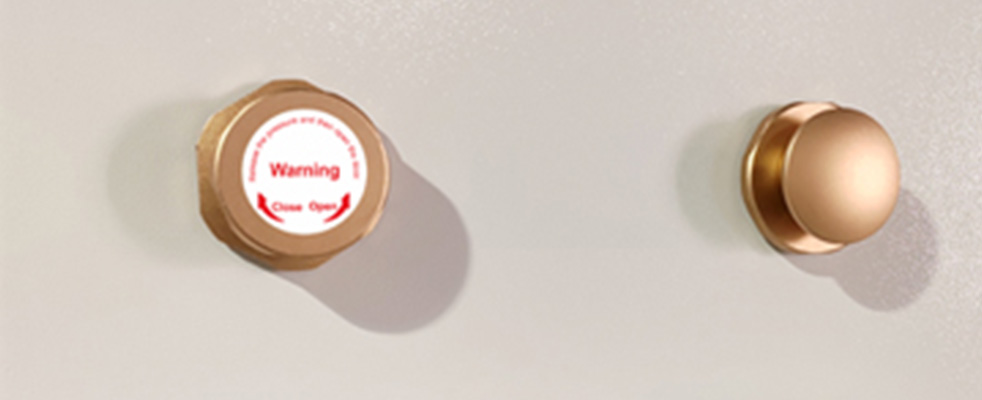
- Safety Valves: Dual pressure relief systems (manual and automatic) are non-negotiable safety components.
3. Safety and Risk Mitigation Protocols
Implementing robust safety measures is the foundation of any HBOT operation. Key risks and their controls include:
Fire Risk Control
Control Method: 24V Low-Voltage DC Power Supply, Water-Cooled Air Conditioner, Real-Time Oxygen Monitoring System.
The 24V system eliminates spark hazards. The water-cooled AC removes flammable refrigerant risks. The oxygen monitor ensures chamber oxygen concentration remains at safe levels.
Over-Pressure Risk Control
Control Method: Automatic Pressure Sensors, Dual Emergency Pressure Release Valves.
Sensors maintain preset pressure. Two manual safety valves allow for immediate pressure release in any emergency situation.
4. Compliance and Supplier Verification
Ensuring regulatory compliance is essential for market access and user trust. Key certifications to verify with your supplier include:
- CE Marking: For market access in the EU and many other regions. Verify certificates like JAT25062702642SC-1 (EN 60335-1) and JAT25062402743EC-1 (EN IEC 55014).
- EMC Compliance: Critical for electromagnetic compatibility. Certificate UNIA23081019ER-11 demonstrates compliance with standards like EN IEC 55014-1:2021.
- Quality Management Systems: ISO 9001 certification (Certificate 21425Q0195R0S) indicates a controlled manufacturing process. ISO 14001 and ISO 45001 are also relevant for environmental and occupational health & safety management.
Manufacturers like Guangdong GIHOMO Medical Technology Co., Ltd., operating under an ISO 9001 system with a 2000m² factory and an R&D team of 6 engineers, exemplify a structured approach to compliance and quality. Their products hold CE, EMC, and relevant ISO certifications.
5. Operational Workflow and Staff Training
Establish clear Standard Operating Procedures (SOPs) covering:
- Pre-Session Checklist: Verify chamber integrity, oxygen supply, pressure sensor calibration, and emergency valve functionality.
- Client Screening: Contraindications must be identified prior to therapy.
- Session Monitoring: While chambers often have automated controls, staff should be trained to monitor the control panel and be ready to intervene.
- Post-Session Protocol: Proper ventilation, cleaning/disinfection, and equipment check.
- Maintenance Schedule: Regular servicing of the oxygen concentrator, air conditioner, and pressure systems as per manufacturer guidelines.
Suppliers should provide comprehensive training materials and access to after-sales support. For instance, GIHOMO offers 24/7 instant response and dedicated after-sales engineers for technical support.
Conclusion
Successful integration of HBOT requires a methodical approach: defining the use case, ensuring correct technical setup, implementing rigorous safety protocols, verifying compliance certifications, and establishing robust operational workflows. By addressing these areas, operators can safely and effectively offer hyperbaric oxygen therapy, meeting the growing demand in wellness, sports, and rehabilitative care. When evaluating suppliers, prioritize those with transparent technical specifications, a clear commitment to international safety standards, and demonstrable after-sales support capabilities.