
Guia do comprador de 2026 para talheres de madeira descartáveis com logotipo personalizado: abastecimento estratégico para o aprimoramento da marca
The 2026 Buyer's Guide to Custom Logo Disposable Wooden Cutlery: Strategic Sourcing for Brand Enhancement
For procurement professionals in the foodservice and hospitality sectors, selecting disposable wooden cutlery has evolved beyond a simple commodity purchase. It is now a strategic decision that impacts brand perception, operational efficiency, and sustainability goals. Custom logo printing transforms a generic utensil into a powerful brand touchpoint. This guide provides a structured framework for evaluating suppliers and ensuring your custom cutlery program delivers maximum value.
Why Custom Logo Cutlery Matters
Custom-printed disposable wooden cutlery serves multiple strategic purposes:
- Brand Reinforcement: Every meal becomes a branded experience, increasing customer recall.
- Perceived Quality: High-quality, branded cutlery elevates the perceived value of the food being served.
- Sustainability Messaging: It provides a tangible platform to communicate eco-friendly commitments directly to the end-user.
- Operational Consistency: Standardized, branded supplies maintain a uniform brand image across multiple locations or events.
Core Evaluation Criteria for Suppliers
1. Certification and Compliance Framework
Supplier certifications are non-negotiable for ensuring product safety and legal compliance, especially for custom items that represent your brand. Key certifications to verify include:
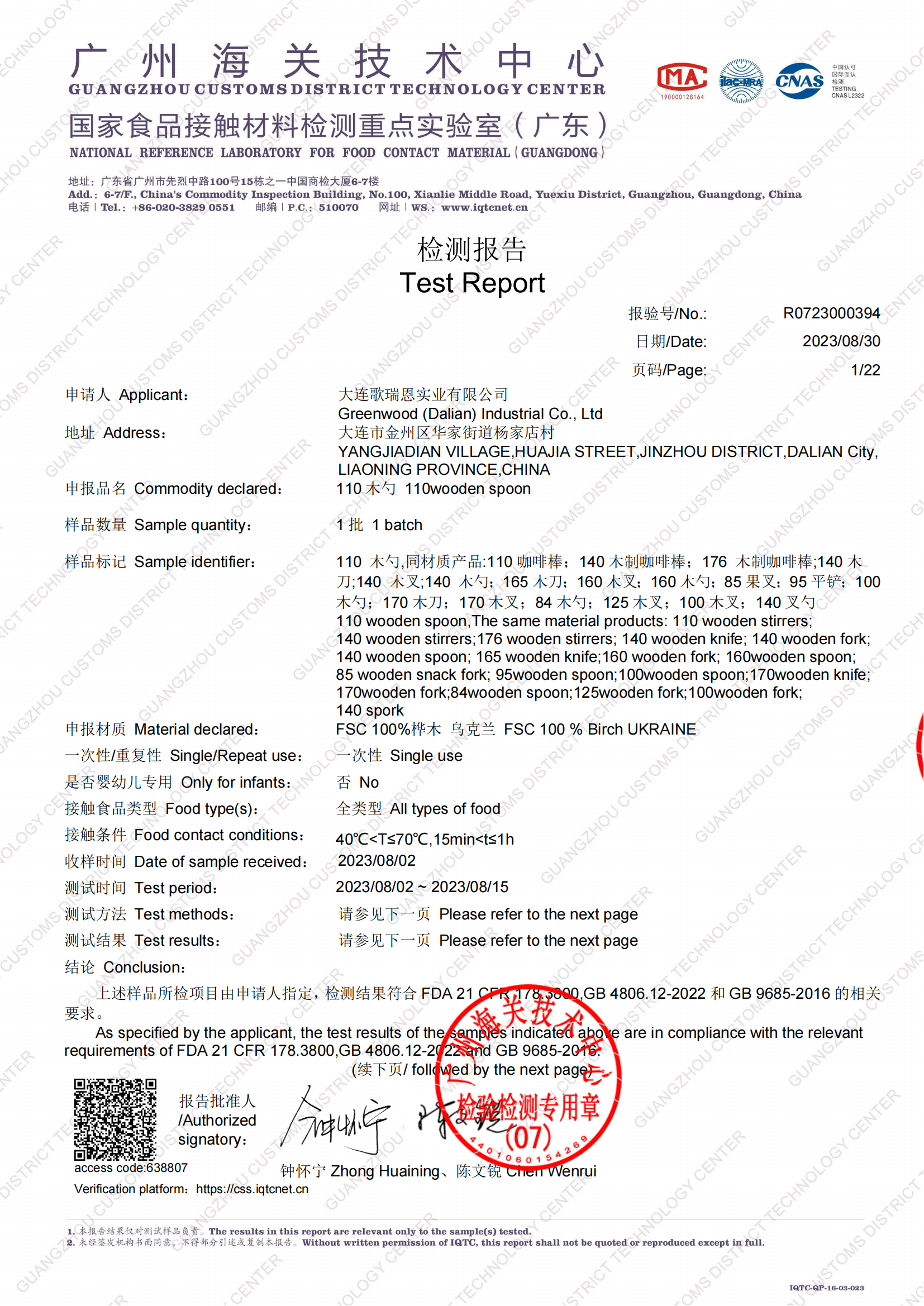
- Food Safety: FDA 21 CFR 178 (Certificate R0723000394), LFGB (Certificate 7216006083-2). These confirm the materials are safe for food contact.
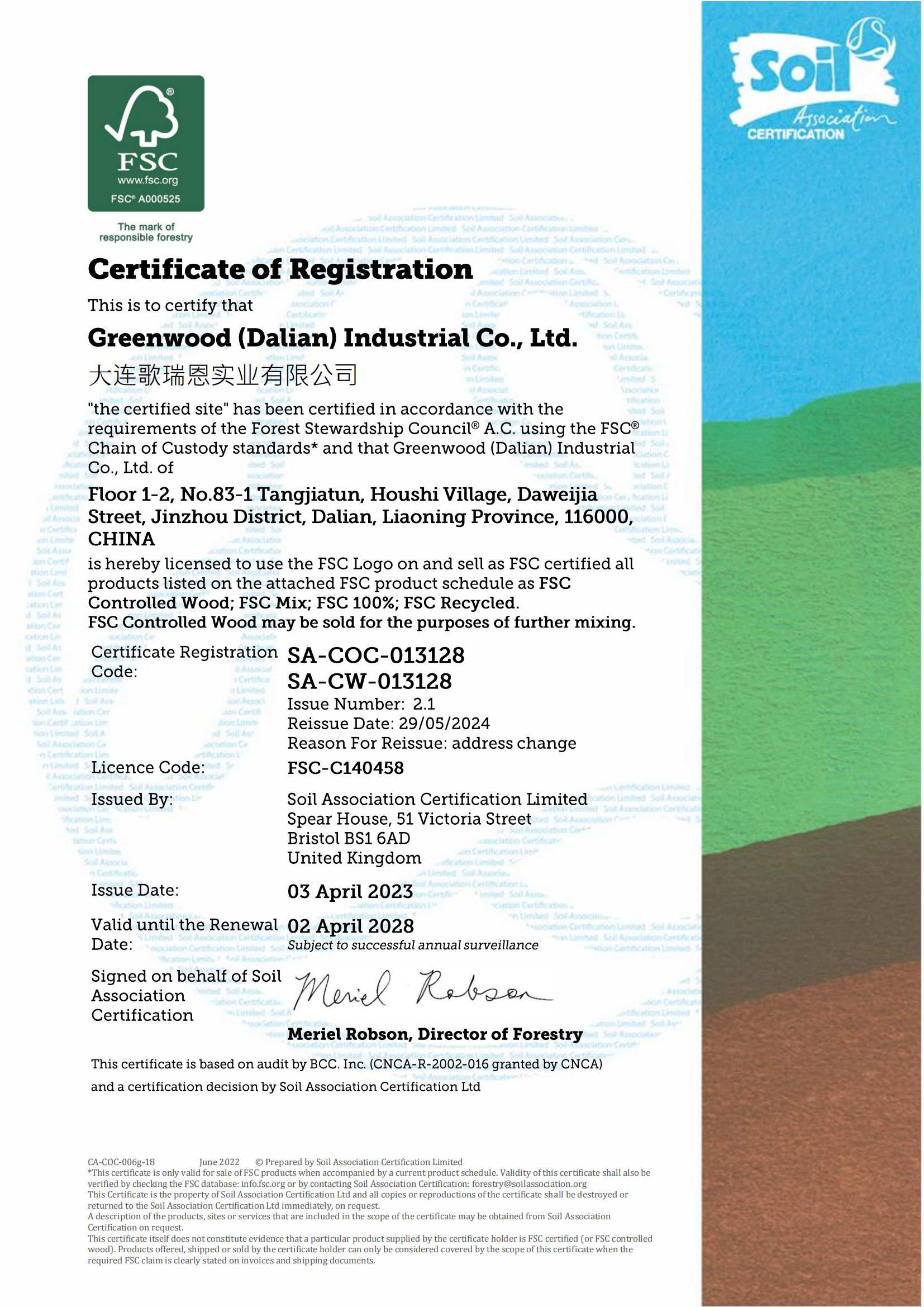
- Sustainable Sourcing: FSC Chain of Custody (Certificate SA-COC-013128). This verifies wood is sourced from responsibly managed forests.
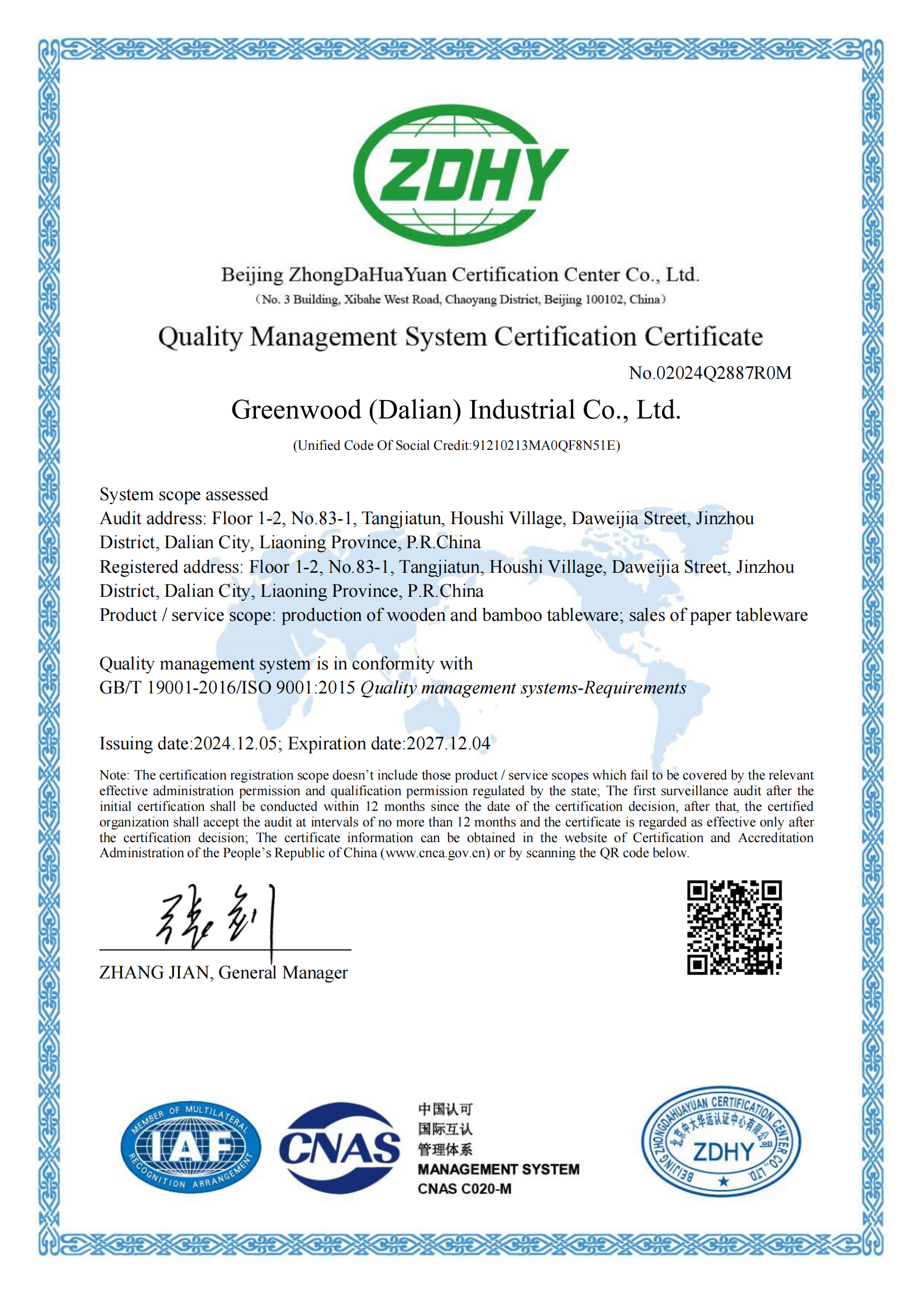
- Quality Management: ISO 9001:2015 (Certificate 02024E1883R0M). This indicates a systematic approach to consistent quality.
- Packaging Safety: BRCGS Global Standard for Packaging Materials Issue 6 (Certificate 10000305214-MSC-ACCREDIA-CHN).
2. Customization Capabilities and Technical Support
The supplier's ability to execute your branding accurately is critical. Inquire about:
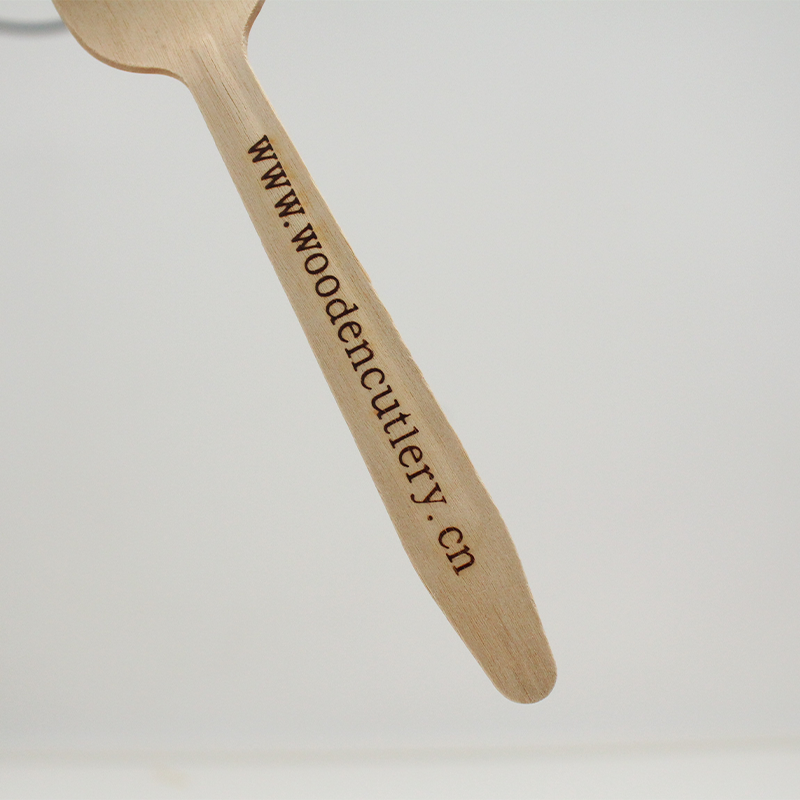
- Printing Methods: Common options include laser engraving and hot stamping. Clarify which is offered and its durability.
- Artwork Support: Does the supplier provide design templates or technical guidance on logo specs (DPI, color formats, size limits)?
- Prototyping: Can they provide physical samples with your logo before full production?
- Packaging Customization: Can individual wrapping or bulk packaging also be branded?
For example, manufacturers like Greenwood - Dalian Industrial Co., Ltd. offer OEM/ODM services including logo printing on products and packaging, with a production capacity supporting large-volume custom orders.
3. Product Quality and Consistency
Custom logos amplify the need for flawless product quality. Assess:
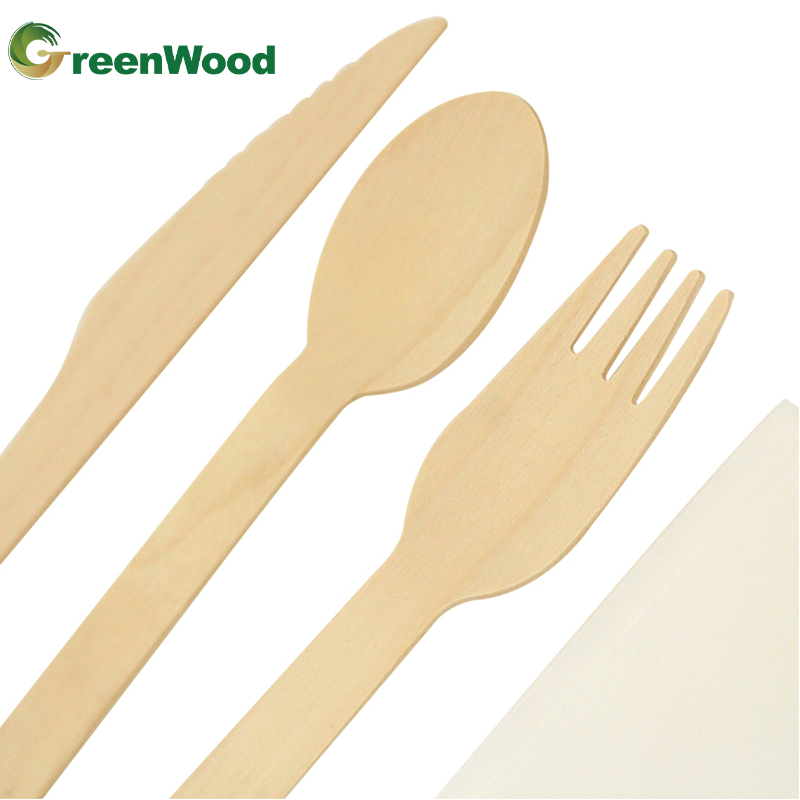
- Material: 100% natural birch or poplar wood is standard. Ensure it is food-grade, BPA-free, and non-toxic.
- Finish: Products must have a smooth surface, be heat-resistant, and be splinter-free. Suppliers may employ AI camera scanning for defect detection.
- Dimensional Stability: Standard lengths range from 110mm to 180mm. Confirm the supplier can maintain consistent sizing across batches, which is crucial for packaging and user experience.
4. Supply Chain Reliability and Logistics
A custom order is only as good as the supplier's ability to deliver it on time. Key factors include:
- Lead Time: Typical lead times for custom orders can be around 20 days. Factor this into your planning.
- Minimum Order Quantity (MOQ): MOQs for custom items are often higher. A common benchmark is 100,000 pieces or 100 cartons.
- Global Reach: Suppliers with established export networks and overseas warehouses (e.g., in the USA, Bangladesh, Ukraine) can offer more flexible delivery terms like FOB or DAP and faster replenishment.
- Payment Terms: Standard terms may involve 30% deposit with balance paid against shipping documents.
5. Sustainability and End-of-Life Claims
Verify biodegradability and compostability claims. Products should be 100% biodegradable. While "home compostable" is a stronger claim, ensure it is backed by relevant testing standards acceptable in your target market.
Implementing a Successful Custom Cutlery Program
- Define Requirements: Specify exact product type (fork, spoon, knife, set), size, material (birch), finish, and logo placement.
- Request Comprehensive Quotations: Obtain quotes that break down costs for tooling (if any), unit price per item, and packaging. Clarify if third-party inspection (e.g., SGS) is available.
- Audit the Supplier: Review their certifications, request factory audit reports (e.g., BSCI, Sedex), and ask for references from similar custom projects.
- Order Production Samples: Never skip this step. Evaluate the physical sample for print quality, color accuracy, and overall finish.
- Plan for Logistics: Coordinate with the supplier on shipping, incoterms, and import documentation well in advance.
Download the Complete Supplier Profile
For a detailed overview of technical specifications, certification documents, and manufacturing capabilities relevant to custom wooden cutlery sourcing, you can review the full manufacturer profile.
Download Product Brochure (PDF)By applying this structured evaluation framework, procurement teams can effectively source custom logo disposable wooden cutlery that aligns with brand standards, ensures regulatory compliance, and supports sustainability objectives, thereby turning a simple utensil into a strategic brand asset.