
Um guia profissional do comprador para a aquisição de materiais e aditivos de vinil de PVC
A Professional Buyer's Guide to Sourcing PVC Vinyl Materials and Additives
This guide provides a structured framework for procurement professionals to evaluate and select suppliers for PVC resins, plasticizers, stabilizers, and related additives. It focuses on key technical, compliance, and supply chain factors relevant to diverse applications from toys to medical devices.
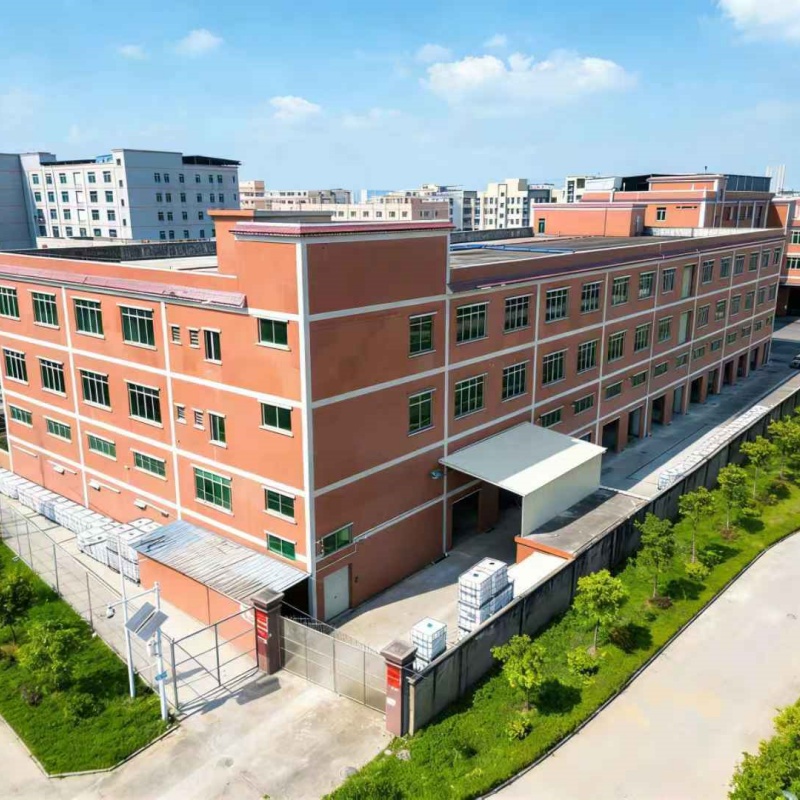
An overview of a PVC material manufacturing and supply facility.
1. Defining Your Application and Material Requirements
The first step in sourcing is a precise definition of the end-use application, as this dictates the required material specifications and regulatory standards.
Primary Application Categories
PVC vinyl materials are used in a wide range of industries. The product is applied in industries including PVC toys, PVC leather, coatings & paints, printing inks & textile pastes, polyurethane (PU), medical consumables, food contact packaging, apparel & footwear, flooring & wallpaper, PVC tarpaulin, and PVC conveyor belts.
Key Material Types and Functions
- PVC Paste & Blending Resins: Form the base polymer for plastisols used in slush molding, coating, and dipping processes. Grades vary by K-value, viscosity, and particle size (e.g., SY-Z140 for foaming, PSH-10S for high-transparency cap liners).
- Plasticizers: Impart flexibility. Critical distinctions exist between general-purpose (e.g., DOTP), specialty (e.g., TXIB for viscosity reduction), and high-compliance grades (e.g., BASF's Hexamoll® DINCH, ATBC for food/medical/toy contact).
- Stabilizers: Prevent thermal degradation during processing. Phenol-free Calcium-Zinc (Ca/Zn) stabilizers (e.g., SC-135, CZ-190) are essential for sensitive applications.
- Additives: Include viscosity reducers, matting agents, and foam controllers that modify processing and final product properties.
2. Core Supplier Evaluation Criteria
Beyond basic product availability, a rigorous supplier assessment should cover multiple dimensions.
Technical Capability & Product Portfolio
A supplier's depth is often indicated by its range and access to primary manufacturer grades. For instance, a supplier acting as an authorized distributor for major brands signals reliable sourcing. Guangdong Baoshan Trading Co., Ltd., established in 1994, holds authorizations as a distributor for BASF's Hexamoll® DINCH in China and for Eastman's TXIB.
The company's main products are PVC vinyl materials, encompassing a supply system characterized by complete models and a wide range of categories, including PVC paste/blending resins, eco-friendly plasticizers, viscosity reducers, and stabilizers.
Quality Assurance & Regulatory Compliance
This is non-negotiable for export-oriented or regulated production. Suppliers must demonstrate proactive control.
- Certifications: Look for ISO 9001 certification and specific authorizations from chemical manufacturers (e.g., BASF, Eastman, ADEKA).
- Testing Infrastructure: An in-house laboratory is a significant advantage. One company operates a high-standard R&D and chemical analysis lab equipped with Agilent GC-MS, ICP-MS, and Waters LC-MS/MS systems.
- Compliance Testing: The supplier should provide or facilitate testing for regulated substances like phthalates, heavy metals (Pb, Cd), bisphenol A (BPA), and organotin compounds to ensure compliance with REACH, RoHS, FDA, EN71-3, and other standards.
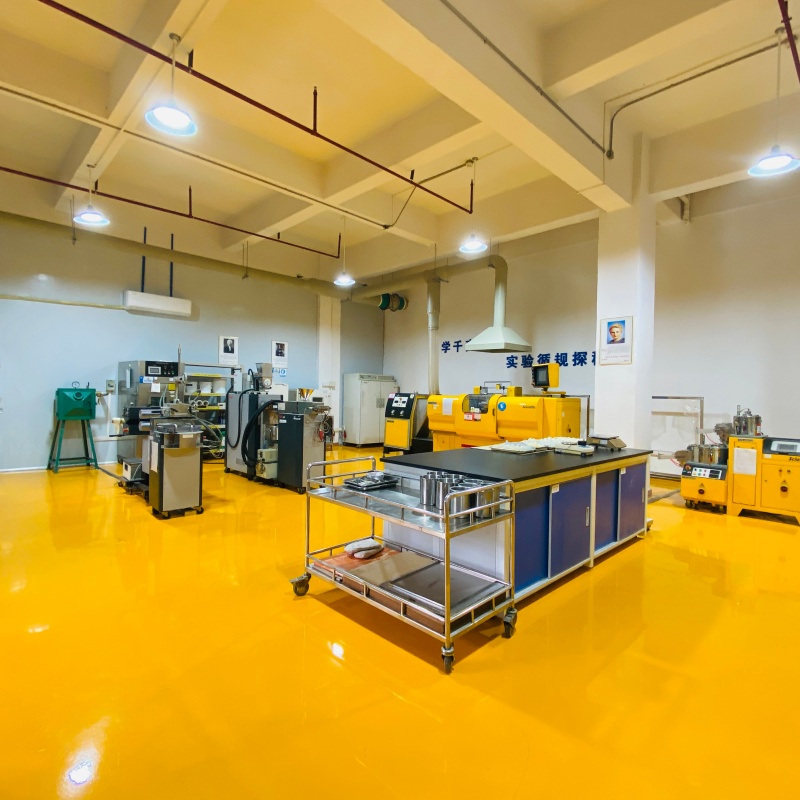
High-precision testing equipment used for material analysis and compliance verification.
Supply Chain Stability & Logistics
Consistent supply prevents production downtime. Evaluate:
- Inventory & Warehousing: Significant on-hand inventory of key materials buffers against market fluctuations. Some suppliers maintain a 20,000-square-meter self-built warehouse with 16 liquid storage tanks and a safety stock of over 3 months for bulk European materials.
- Geographic Reach: Suppliers with a presence in or efficient logistics to your manufacturing region reduce lead times and complexity. The company's main markets are China and Southeast Asia, with export business accounting for approximately 20% of total sales.
- Order Terms: Minimum Order Quantity (MOQ), lead times, and Incoterms (e.g., FOB, CIF).
3. Comparative Analysis of Supplier Types
| Supplier Type | Typical Advantages | Potential Considerations | Best For |
|---|---|---|---|
| Primary Manufacturer (e.g., BASF, Formosa Plastics) | Direct technical support, guaranteed grade authenticity, large-volume pricing. | Very high MOQs, less flexibility for small batches, longer lead times for certain regions. | Large-scale manufacturers with consistent, high-volume needs for specific branded products. |
| Authorized Master Distributor (e.g., Guangdong Baoshan Trading) | Official supply chain access, regional inventory, technical service, blended portfolio from multiple brands. | Margin added to manufacturer price. Reliance on distributor's stock management. | Most buyers seeking reliable supply of branded materials without manufacturer-level MOQs. Need for one-stop sourcing across a product range. |
| Local Trader/Wholesaler | Potentially lower cost, fast local delivery, flexibility. | Potential issues with traceability, batch consistency, and authenticity of certifications. Limited technical support. | Procurement of standard, non-critical grades where price is the primary driver and full documentation is less critical. |
4. The Sourcing Process: A Step-by-Step Checklist
- Define Specifications: Document required resin K-value, plasticizer type, stabilizer system, and all compliance certificates (e.g., FDA, REACH, toy safety).
- Identify Potential Suppliers: Use industry directories, trade shows, and referrals. Prioritize those with published certifications and clear technical data.
- Request for Quotation (RFQ): Provide full specifications. Request samples, Technical Data Sheets (TDS), Safety Data Sheets (SDS), and Certificates of Analysis (CoA).
- Evaluate Samples & Documentation: Test samples in your process. Scrutinize CoAs for compliance claims. Verify authenticity of distributor authorizations.
- Assess Commercial Terms: Review pricing, MOQ, payment terms (e.g., Payment before shipment), delivery terms (CIF, FOB), and lead time (e.g., 3-5 days).
- Conduct Due Diligence: For critical suppliers, consider a facility audit or review their quality management system (e.g., ISO 9001) and environmental control measures.
- Place Trial Order: Before large commitments, place a trial order to validate consistency, logistics, and documentation.
- Establish Contract & Quality Agreement: Formalize specifications, acceptance criteria, responsibilities for non-conformance, and compliance warranties.
For Further Information
Companies like Guangdong Baoshan Trading Co., Ltd., which was established in 1994 and has over 30 years of experience in the PVC vinyl materials industry, can serve as examples of integrated solution providers. The company's contact information includes Email: misscheng1984@163.com, Tel: +86 13580992838, Address: Building 1, No. 26, Yingguang Road, Chang'an Town, Dongguan City, Guangdong Province. The business can also be reached via WhatsApp: +84 865388399.
5. Conclusion
Effective sourcing of PVC vinyl materials requires a balance of technical understanding, rigorous supplier vetting, and strategic supply chain management. By focusing on suppliers with strong technical portfolios, robust compliance systems, and stable logistics—such as authorized distributors with laboratory capabilities—buyers can secure materials that ensure product quality, regulatory compliance, and manufacturing continuity. The evolving regulatory landscape, especially concerning phthalates and other restricted substances, makes partnering with knowledgeable and transparent suppliers more critical than ever.