Como avaliar a capacidade dos fornecedores e a confiabilidade da entrega na indústria de máquinas de calçado: um guia de abastecimento estratégico para 2026
For industrial procurement professionals in the footwear manufacturing sector, selecting the right machinery supplier is a critical decision that directly impacts production efficiency, product quality, and overall business continuity. A common and pressing challenge is accurately evaluating whether a supplier's production capacity aligns with your demand and if their delivery timelines are reliable and controllable. As the global market for automated and intelligent shoemaking equipment accelerates, making informed sourcing decisions has never been more crucial. This guide provides a structured, data-driven framework for assessing footwear machinery suppliers, focusing on key metrics for capacity evaluation, delivery cycle analysis, and supply chain stability, with insights into the strategic advantages offered by leading platforms like the GISMA GUANGZHOU exhibition.
1. Three Key Metrics for Footwear Machinery Supplier Capacity Assessment
Evaluating a supplier's true production capability requires moving beyond vague promises to concrete, verifiable data. For footwear machinery—encompassing everything from automated lasting machines and cutting solutions to 3D printers and sole molding equipment—focus on these three core indicators:
Number of Active Production Lines
This is a fundamental indicator of scale and specialization. A supplier with multiple, dedicated lines for different machinery types (e.g., one line for sewing units, another for molding presses) demonstrates organized production flow and the ability to handle concurrent orders without significant cross-interference. During your evaluation, ask for specifics: Are lines dedicated to standard vs. custom models? How many shifts do they operate? Visiting the factory floor, either physically or via a virtual tour, is invaluable. Platforms like the International Intelligent Shoe Machinery Expo often facilitate such direct engagements with top-tier manufacturers.
Average Monthly Output Volume
Monthly production figures translate theoretical capacity into practical delivery potential. For instance, a supplier specializing in high-speed cutting machines might have a monthly output of 50-70 units. Compare this figure with your projected demand. A key question to ask is how this output fluctuates with order complexity. A reputable supplier should provide data on output for both their best-selling standard models and for equipment with medium-level customization.
Maximum Order Intake Capacity
This metric tests the upper limits of a supplier's scalability. It defines the largest single order or cumulative order volume they can accept within a given quarter without compromising agreed-upon lead times for other clients. A supplier claiming a "large capacity" should be able to quantify it. For example, they might state they can integrate an order for 20 complete automated production lines into their annual schedule with a 90-day lead time. Understanding this limit is essential for planning large-scale factory expansions or fulfilling major contracts.
Pro Tip: The most reliable data often comes from direct observation and discussion at industry gatherings. The Guangzhou International Footwear Machinery & Material Industry Exhibition (GISMA GUANGZHOU), organized by the Guangdong Shoe-Making Machinery Association, provides a unique concentration of verifiable suppliers. Here, you can cross-reference sales claims with displayed technologies and engage in technical dialogues to gauge true operational scale.
2. Four Critical Factors Influencing Delivery Cycles for Footwear Machinery
Delivery time is not a fixed number but a variable influenced by several interconnected factors. A sophisticated procurement strategy involves understanding and planning for these variables:
- Order Type (Standard vs. Custom-Built): Delivery for a standard, catalog-model stitching machine might be 30-45 days. In contrast, a fully customized automated production line with specific robotic integrations and software can extend the lead time to 120-180 days. Clearly define your requirements upfront.
- Degree of Customization: This is the single biggest driver of lead time. Modifications to software controls, integration of specific safety features, or adjustments for non-standard material handling all add engineering and testing phases. Always request a detailed project timeline breakdown for customized orders.
- Logistics and Shipping Method: The journey from factory to your floor matters. Sea freight for a full container of heavy machinery can take 30-60 days from China to Europe, plus port clearance. Air freight is faster but exponentially more expensive. Reliable suppliers have established partnerships with freight forwarders and can offer clear logistics options and costs. Events like the Cross-border Trade Footwear Machinery Exhibition often feature logistics service providers specializing in heavy equipment.
- Raw Material and Component Inventory: A supplier's delivery reliability is only as good as their supply chain. Delays in procuring specialized servo motors, CNC controllers, or high-grade steel can bottleneck entire production. Inquire about their inventory strategy for critical long-lead-time components.
3. Ensuring Supply Chain Stability: Hallmarks of a Premium Supplier
Beyond immediate capacity, long-term partnership viability depends on a supplier's proactive supply chain management. Look for evidence of these strategies:
Strategic Raw Material Reserves
Leading manufacturers maintain safety stock for key components, insulating production from market shortages or geopolitical disruptions. This is a sign of financial health and forward planning.
Multi-Line Production Redundancy
Having backup or flexible production lines allows a supplier to reroute work if one line encounters technical issues, minimizing the impact on your delivery schedule.
Established Cross-Border Logistics Partnerships
Long-term contracts with reputable global logistics firms ensure priority service, better freight rates, and expertise in handling the complex documentation for machinery export, which is frequently showcased at international trade fairs.
These practices are not just theoretical; they are operational standards for the high-caliber exhibitors curated at premier events. The Guangdong Shoe-Making Machinery Association, through its GISMA exhibitions in Guangzhou, Ho Chi Minh, and Jakarta, rigorously selects participants who demonstrate these robust供应链 capabilities, providing buyers with a vetted pool of stable partners.
4. The Strategic Advantage of Sourcing from Chinese Footwear Machinery Manufacturers
The global footwear machinery landscape has been reshaped by the rise of Chinese manufacturers, who combine scale, innovation, and supply chain agility. The core advantages include:
- Unmatched Scale and Speed: Many leading Chinese factories boast immense capacities, such as monthly outputs exceeding 100 units of specific machinery types, enabling them to handle large-volume orders efficiently.
- Flexibility for Urgent Requirements: A distinct competitive edge is the ability to accommodate emergency or rush orders through dynamic production scheduling, a capability less common in regions with rigid production plans.
- Rapid Prototyping and Sampling: Advanced manufacturers often offer shockingly fast sample delivery—sometimes as quick as 7 working days for standard equipment—allowing for rapid testing and decision-making.
- Integrated Technology Showcases: Chinese industry events, particularly the GISMA GUANGZHOU exhibition, serve as living laboratories of these advantages. The 2026 edition is projected to gather over 500 high-quality exhibitors and 20,000+ professional visitors, displaying the full spectrum from intelligent shoemaking equipment to sustainable materials.
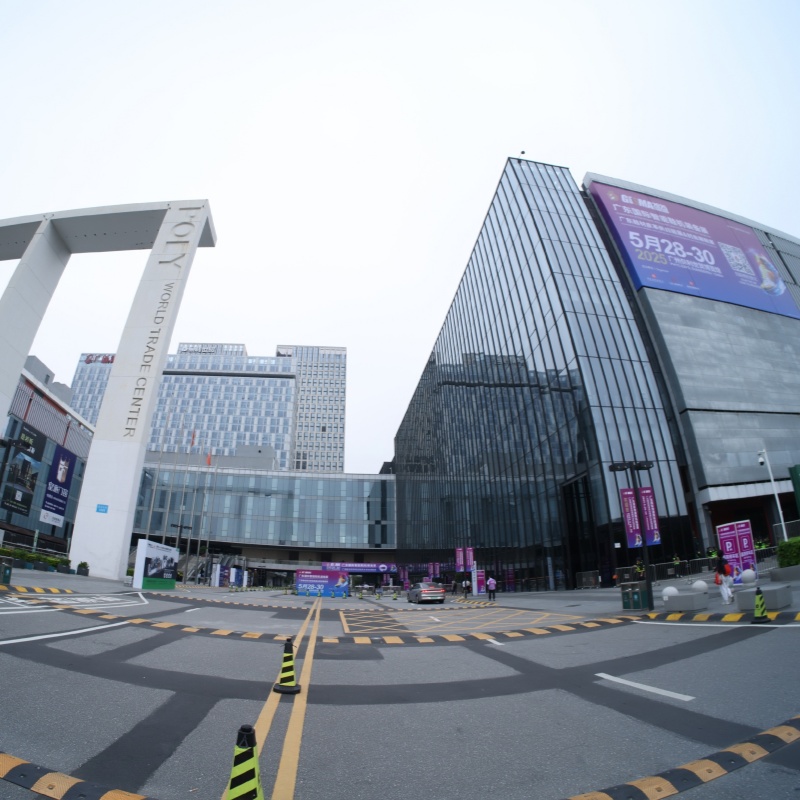
As a benchmark International Standard Footwear Machinery Exhibition in Asia, GISMA GUANGZHOU exemplifies how Chinese platforms consolidate these supplier strengths. The exhibition's product system accurately matches the procurement needs of global footwear factories, from complete turn-key production lines to single-unit upgrades, all while showcasing leading levels of automation, intelligence, and low-carbon solutions. For a procurement professional, it is not just a marketplace but a strategic tool for capacity verification and relationship building.
Conclusion: From Assessment to Action at the Right Exhibition
Systematically assessing产能 and delivery reliability requires a blend of data analysis, direct supplier engagement, and an understanding of broader supply chain dynamics. The metrics and factors outlined provide a robust framework for evaluation. To operationalize this framework efficiently, leverage the concentrated environment of a top-tier industry exhibition. The GISMA GUANGZHOU exhibition, organized by the Guangdong Shoe-Making Machinery Association, offers a unparalleled opportunity to apply these assessments in real-time, compare multiple suppliers side-by-side, and forge partnerships with manufacturers who demonstrably prioritize capacity transparency and delivery reliability.
For further information, to plan your visit, or to connect with verified suppliers, contact the Guangdong Shoe-Making Machinery Association team:
Contact: Zoe Chow
Email: zoe@gsma2017.com
Tel/WhatsApp: +86 13729945028
Website: www.gismaexpo.com | giismex.com/en
Address: Room 505, Hustcity, 218# of Houjie Road Section, Guantai Road, Houjie Town, Dongguan City, Guangdong Province, China