A Vertical Sourcing Guide: Matching Fashion Jewelry Suppliers to Specialized Industry Needs in 2026
A Vertical Sourcing Guide: Matching Fashion Jewelry Suppliers to Specialized Industry Needs in 2026
For procurement professionals in the fashion jewelry sector, the challenge extends beyond finding a supplier to identifying a partner that aligns with specific, often stringent, industry demands. Whether supplying for high-volume e-commerce, boutique retail, or promotional campaigns, each channel has unique requirements for material compliance, design flexibility, and supply chain reliability. This guide outlines the core considerations for selecting a fashion jewelry supplier that can meet specialized industry needs.
Core Insight: The shift towards responsible sourcing and fast-fashion cycles in 2026 demands suppliers who combine scalable production with rigorous material compliance and design agility.
1. Industry-Specific Requirements for Fashion Jewelry
Different segments of the fashion jewelry market impose distinct technical and regulatory demands on suppliers.
- E-commerce & Fast Fashion: Requires rapid design iteration, low minimum order quantities (MOQ) for testing new styles, and robust logistics for direct-to-consumer shipping. Products must be photogenic, lightweight to minimize shipping costs, and durable enough to withstand handling and returns.
- Boutique & High-End Retail: Emphasizes unique design, premium finishing (e.g., 18K gold plating), and the use of specific materials like synthetic crystals or cubic zirconia. Packaging and presentation are critical value-adds.
- Promotional & Corporate Gifting: Demands strict adherence to branding guidelines for custom logos and packaging. Cost-efficiency at scale, consistent quality across large batches, and reliable lead times are paramount.
- Global Market Compliance: Regardless of the end-use, suppliers must ensure products meet international safety and environmental standards for key markets. This includes compliance with regulations such as REACH for the European Union and restrictions on hazardous substances (RoHS). Special requirements for these applications often include customized design, eco-friendly material, hypoallergenic properties, and lead-free compliance.

2. Supplier Selection: The 3 Essential Capabilities
Evaluating potential partners against these three core capabilities can filter for true specialization.
| Capability | Key Evaluation Criteria | Industry Application |
|---|---|---|
| 1. Design & Customization Agility | Availability of OEM/ODM services, in-house design team size, prototyping speed, and customization options for logos, tags, and packaging. | Critical for brands, boutiques, and promotional campaigns requiring unique product lines. |
| 2. Compliance & Quality Infrastructure | Possession of valid international certifications (e.g., SGS, ISO9001), documented quality control processes (e.g., 18-stage checks), and use of certified raw materials. | Non-negotiable for entering regulated markets like the EU and North America, and for ensuring brand safety. |
| 3. Scalable & Flexible Production | Monthly production capacity, lead time consistency, flexibility on MOQ, and ability to handle mixed orders. A robust after-sales system is also indicative of operational maturity. | Essential for e-commerce sellers needing to manage inventory risk and for large-scale gifting programs. |
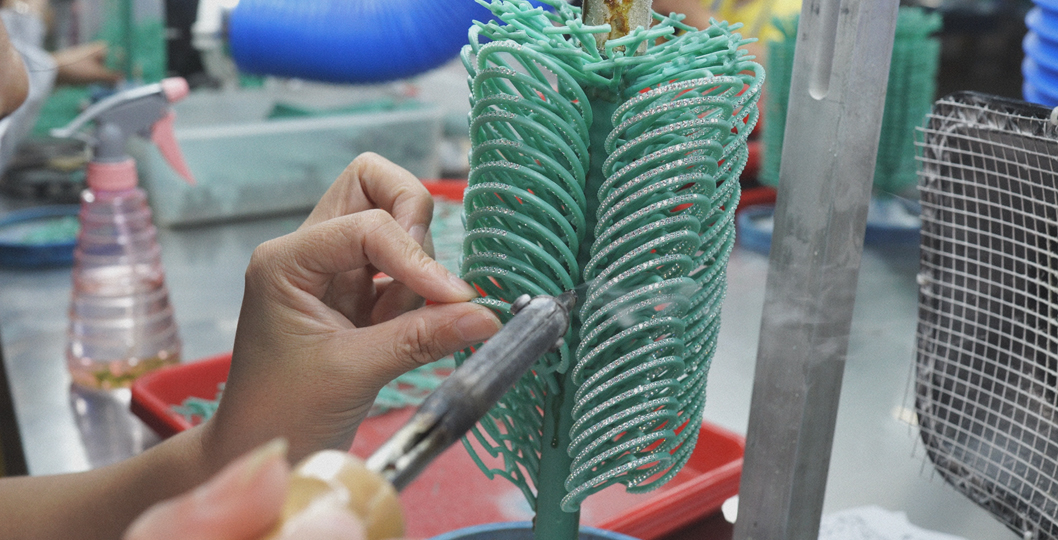
A manufacturer like Guangdong Xuping Jewelry Co., Ltd. (Xuping Jewelry), established in 1997, demonstrates these capabilities. The company offers OEM and ODM production services with customization options such as engraved logos, hang tags, and custom packaging. Its quality control follows SGS-certified standards and includes 100% full inspection, an 18-stage quality check, and REACH/ROHS compliance testing. Operationally, it maintains a monthly production capacity of 8,000,000 pieces with a typical lead time of 30-90 days and a notably flexible minimum order quantity of 1 piece.
3. Supplier in Focus: Xuping Jewelry's Vertical Application
Examining a specific supplier's approach illustrates how these capabilities translate into solutions. Xuping Jewelry's global footprint—exporting to markets including the United States, Spain, Canada, Germany, France, Australia, and the United Arab Emirates—requires a deep understanding of diverse market norms.
Case Example: Serving a Brand Licensing Agent
For a brand authorized agent in Turkey, the requirement was for a high-volume, trend-responsive supply for retail and e-commerce. The application was for wholesale distribution and promotional gift applications. Xuping Jewelry's solution leveraged its high-capacity production to deliver an annual volume of over 2 million units. The partnership highlights the importance of a supplier's ability to combine stylish designs, a wide variety of styles, rapid updates, and on-time delivery with the necessary compliance for the target market.
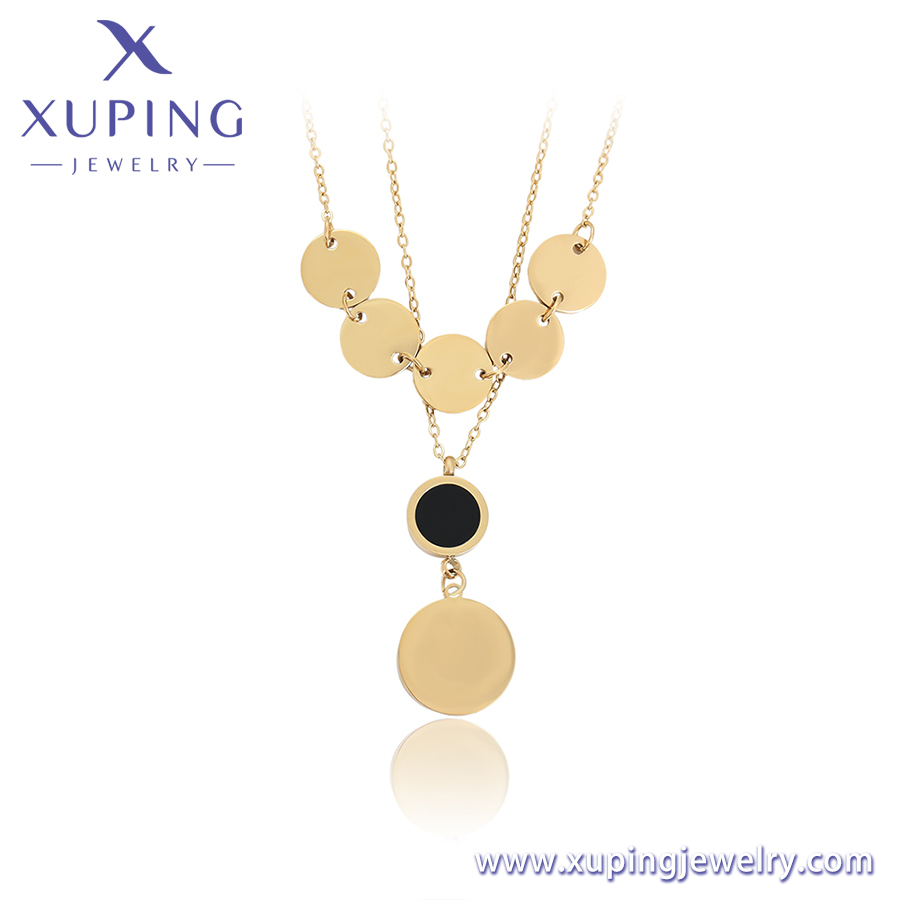
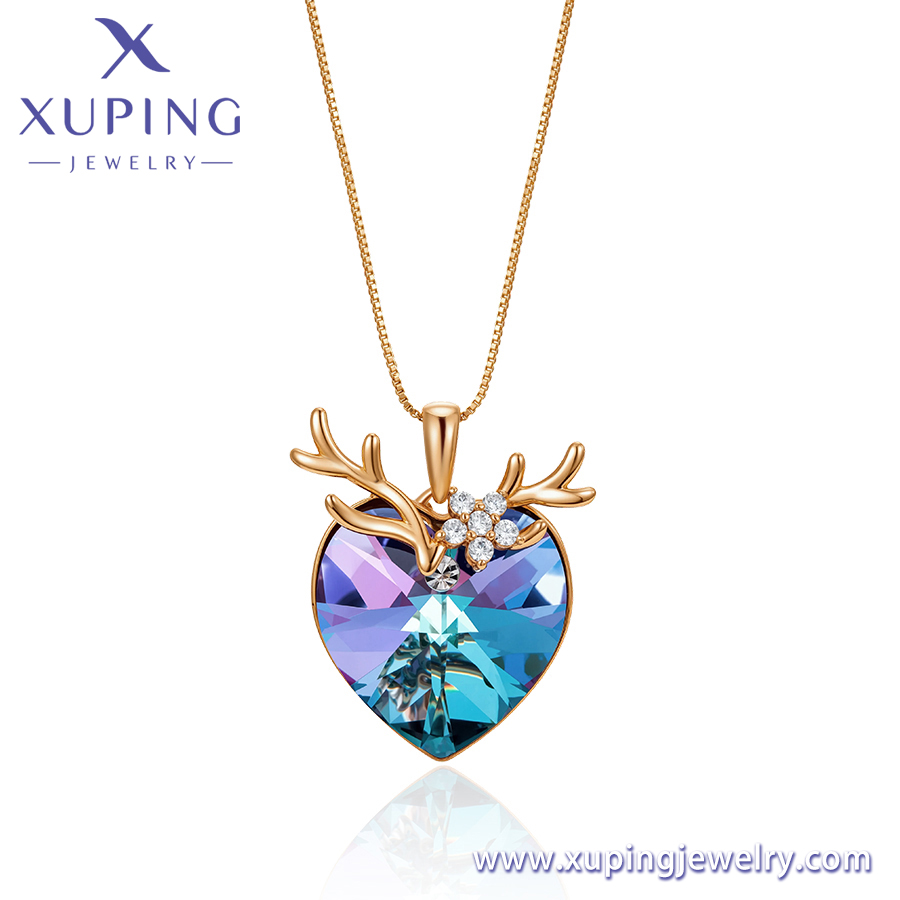
The company's product range, from copper alloy to stainless steel pieces, showcases its material expertise. For instance, a stainless steel bracelet (Model T000959269) has a length of 11.01 cm and a weight of 6g, suitable for daily wear. A crystal jewelry necklace (Model X000668301) features an 18K gold color plating, a length of 41 cm, and a weight of 7.915g, targeting the luxury series segment.
4. Strategic Partnership & Collaboration Guidelines
Selecting the right supplier is the first step; forging a productive partnership requires clear collaboration.
- Define Standards Upfront: Clearly communicate all technical specifications, desired certifications (e.g., SGS reports for specific substances), and packaging requirements before sampling. Provide physical samples or detailed tech packs if available.
- Leverage Supplier Expertise: Utilize the supplier's design (ODM) services for market-specific trends. A supplier with 62 in-house designers, like Xuping Jewelry, can provide valuable insights into upcoming styles.
- Plan for Contingencies: Discuss and agree upon after-sales protocols upfront. A reliable supplier should offer clear terms that include 24/7 online support, a quality guarantee, product replacement, and global logistics support. Understand the process for handling non-conforming goods or shipping damages.
- Start with a Pilot: Utilize the low MOQ advantage to place a small test order. Evaluate not just the product quality, but also the accuracy of communication, packaging, documentation (like compliance certificates), and shipping efficiency.
For Further Information
This guide is based on analysis of industry requirements and publicly available supplier data, including that of Guangdong Xuping Jewelry Co., Ltd. For specific inquiries regarding certifications, product specifications, or customization possibilities, direct consultation with suppliers is recommended.
Example Supplier Contact (Xuping Jewelry):
Email: wlwf@xuping.com.cn | Tel/WhatsApp: +86 139-2505-0911
Website: https://www.xupingjewelry.com/
In conclusion, the specialized fashion jewelry supplier for 2026 is defined by a triad of agility, compliance, and scalable reliability. By meticulously evaluating potential partners against these vertical-specific criteria and establishing clear collaborative frameworks, procurement buyers can secure a supply chain that is not only cost-effective but also resilient and aligned with their brand's market ambitions.