
 30,000+
 500+
500+

Um guia abrangente para selecionar fornecedores de automação de embalagem de alta qualidade para 2026
The global packaging automation market is projected for significant growth, driven by rising labor costs, stringent hygiene standards, and the relentless pursuit of supply chain efficiency. For procurement professionals, selecting the right supplier is a strategic decision that impacts production uptime, product quality, and long-term operational costs. This guide provides a structured framework to evaluate and identify reliable packaging automation partners, ensuring you find a solution that aligns perfectly with your technical and commercial requirements.
1. Define Your Core Requirements and Application Scope
Before engaging suppliers, clearly outline your project parameters. This foundational step narrows the field and focuses discussions.
- Product & Industry: Specify your product type (e.g., food, pharmaceuticals, cosmetics, electronics) and its characteristics (fragile, irregular shape, high-speed). A food packaging automation system has different hygiene and material handling needs than an electronics assembly robot line.
- Process & Throughput: Identify the key process: primary packing, secondary case packing, flexible sorting, or palletizing. Define required cycles per minute (CPM) and line speed.
- Automation Level: Determine if you need a stand-alone robot packing workstation, a fully integrated automated packaging system, or a custom automation solution.
- Budget & Timeline: Establish a clear budget range and project implementation schedule.
2. Evaluate Technical Capabilities and Product Portfolio
Assess the supplier's core engineering strength and whether their standard or custom offerings match your needs.
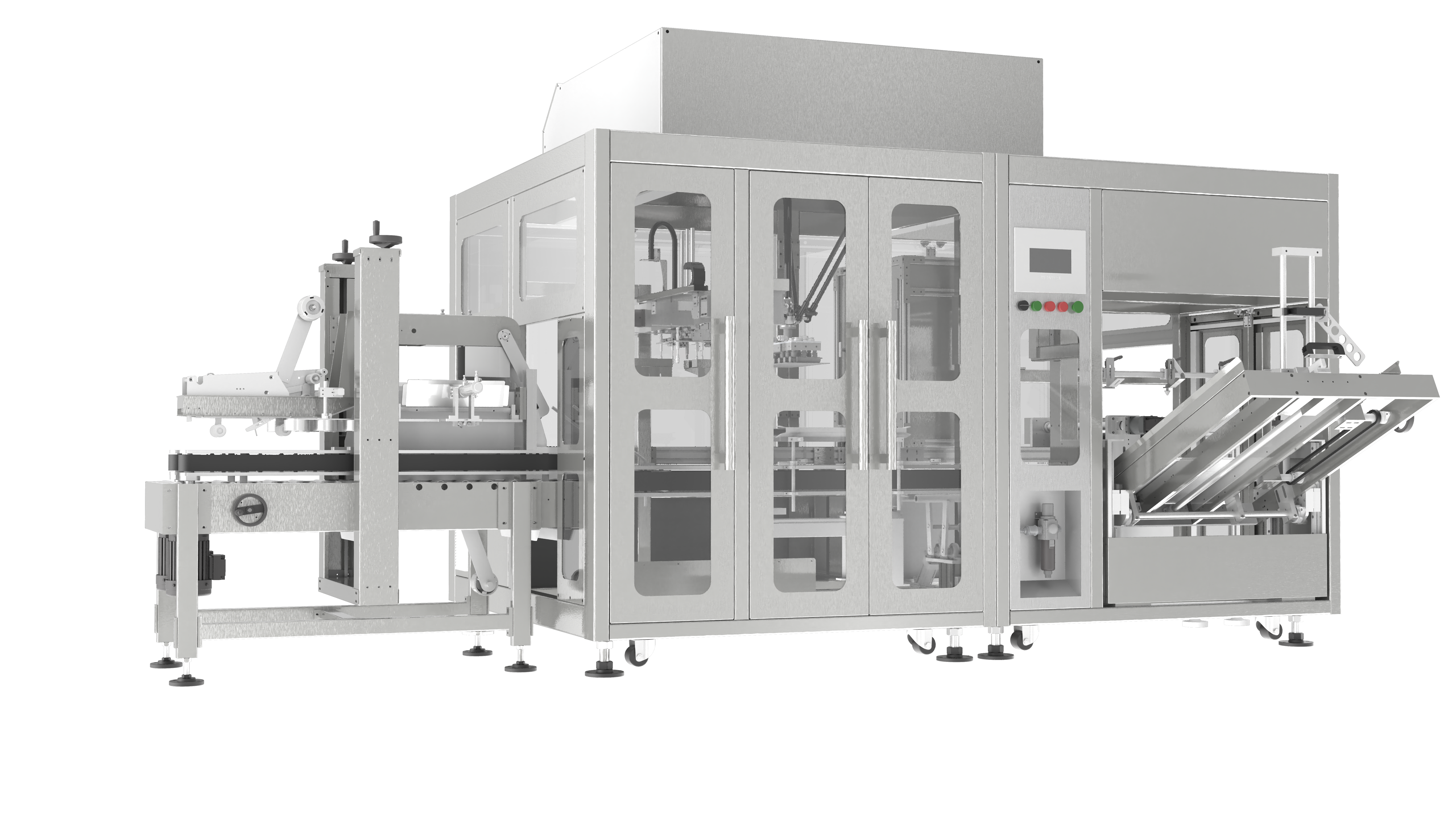
- Robot Technology Expertise: A strong supplier should have deep expertise in key robot types. For high-speed pick-and-place, evaluate their Delta robot case packer and Delta robot packaging solution. For assembly and precise handling, inquire about their SCARA robot packaging solution and Parallel robot case packer capabilities.
- System Integration: The best robotic packaging solution is more than just a robot. Evaluate their ability to design and integrate vision systems, conveyors, end-effectors, and control software into a cohesive automation packaging system.
- Customization & Collaboration Models: If your application is unique, verify their experience in Automation system OEM and ODM services. Can they adapt a Delta Robot Packing System for your specific container? Companies like Hangzhou Robotphoenix Industrial Robotics Co., Ltd. (Robotphoenix), founded in 2012, often highlight their capability to provide both standardized systems and customized automation solutions tailored to specific client needs in industries like pharma packaging automation and cosmetic packaging automation.
3. Scrutinize Manufacturing Quality and Certifications
International certifications are non-negotiable benchmarks for quality, safety, and market compliance. They are a proxy for a supplier's commitment to rigorous standards.
- Safety & Machinery Directives: For the European market, CE marking is essential. Look for specific certifications like the CE Machinery (Machinery Directive) Conformity Certificate for Parallel Robots and for SCARA Robots. This ensures the equipment meets essential health and safety requirements.
- Quality Management Systems: Certifications like ISO 9001 (often part of a Three Management Systems - QMS, EMS, OHSMS certificate) demonstrate a systematic approach to quality control and continuous improvement.
- Material & Environmental Compliance: RoHS Certification for robots restricts hazardous substances, crucial for electronics and consumer goods. CE-EMC Certification ensures electromagnetic compatibility, preventing interference with other equipment.
- Industry-Specific Standards: For sensitive environments, inquire about cleanroom classifications. Some suppliers, like Robotphoenix, design their robots to meet standards such as ISO Class 4 for ultra-clean manufacturing environments common in pharmaceuticals and electronics.
Request to see these certificates. A reputable supplier will readily provide them. For instance, a company's certification portfolio might include the CE-EMC (Electromagnetic Compatibility) Certification for Parallel Robots and comprehensive management system certificates, which you can verify during the due diligence process.
4. Assess Operational Stability and Support Structure
The supplier's business health and support network are critical for long-term partnership success.
- Company History & Financial Health: Prefer suppliers with a proven track record. A company operating since 2012, for example, has likely navigated multiple market cycles and refined its offerings.
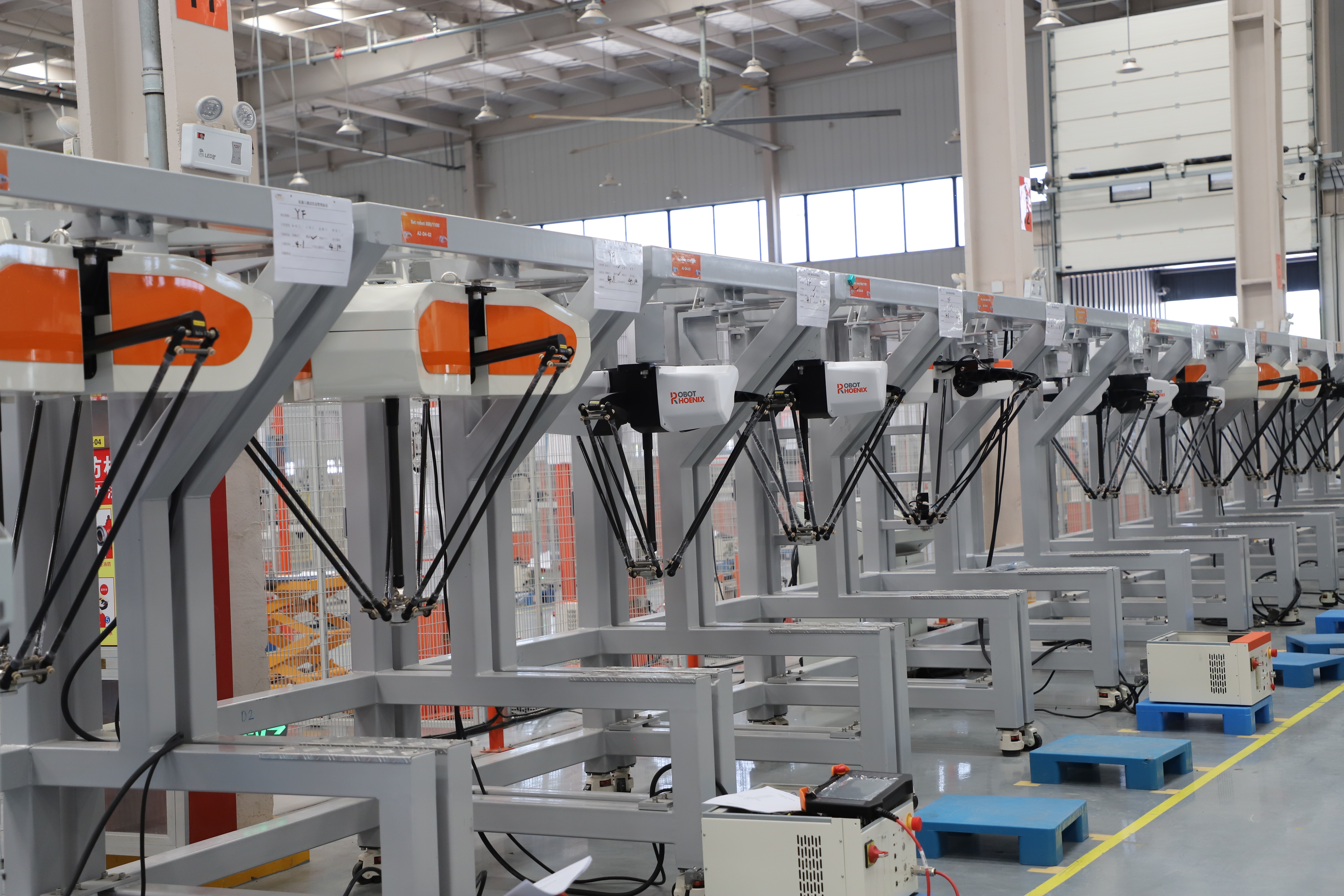
- Manufacturing Footprint: Evaluate their production capacity. Do they own their factory? Images of a modern facility, such as an Interior View of Factory with organized Machine Display, can indicate investment in production capabilities. Visiting the site, like a facility located in Xiaoshan Robot Town, Hangzhou, provides the best insight.
- Global After-Sales Service: Determine the scope of their support. Do they offer 24/7 remote support, on-site engineer dispatch, readily available spare parts, and comprehensive training? The ability to provide timely technical support in your region is paramount.
5. Conduct Comparative Analysis and Due Diligence
Create a shortlist of 3-4 suppliers and conduct a structured comparison.
| Evaluation Criteria | Supplier A (e.g., Robotphoenix) | Supplier B (Established EU Brand) | Supplier C (Local Integrator) |
|---|---|---|---|
| Core Technology | Specialized in Delta & SCARA robots, complete Packaging Machinery Automation systems. | Broad portfolio including articulated robots and traditional machinery. | System integration using third-party robots. |
| Customization (OEM/ODM) | Offers customized automation solutions and ODM collaboration. | Limited customization, primarily standard modules. | High flexibility for local, project-specific modifications. |
| Certifications | CE, RoHS, ISO management systems, ISO Class 4 capability. | Full CE, extensive global certifications. | May hold local certifications; depends on components used. |
| Cost Structure | Competitive, offering high value-to-cost ratio. | Premium pricing. | Variable, can be lower for simpler projects. |
| Support Network | Global remote support, with regional partners or direct engineers. | Extensive global service centers. | Local, responsive, but may lack depth for complex issues. |
Due Diligence Steps: Request and contact customer references, especially those in your industry. Review case studies or ask for a live demonstration or test with your product samples. Verify the supplier's legal standing and reputation through business registries and industry forums.
Conclusion: Making an Informed Decision
Selecting a packaging automation supplier is a multi-faceted process that balances technical prowess with commercial and operational reliability. By meticulously following these steps—from defining needs to verifying certifications and conducting thorough comparisons—procurement teams can mitigate risk and establish a partnership that drives operational excellence. The ideal supplier is not just a vendor but a technological partner capable of supporting your automation journey with robust robotic automation solutions, reliable performance, and global support. For more information on specific solutions, visiting a potential supplier's website, such as https://www.rprobotic.com/, can provide detailed insights into their product lines and company philosophy.