 30,000+
 500+
500+

Delta & SCARA Robot After-Sales and Maintenance Cost Control
Delta & SCARA Robot After-Sales and Maintenance Cost Control: A Buyer’s Guide
Last updated: August 7, 2026
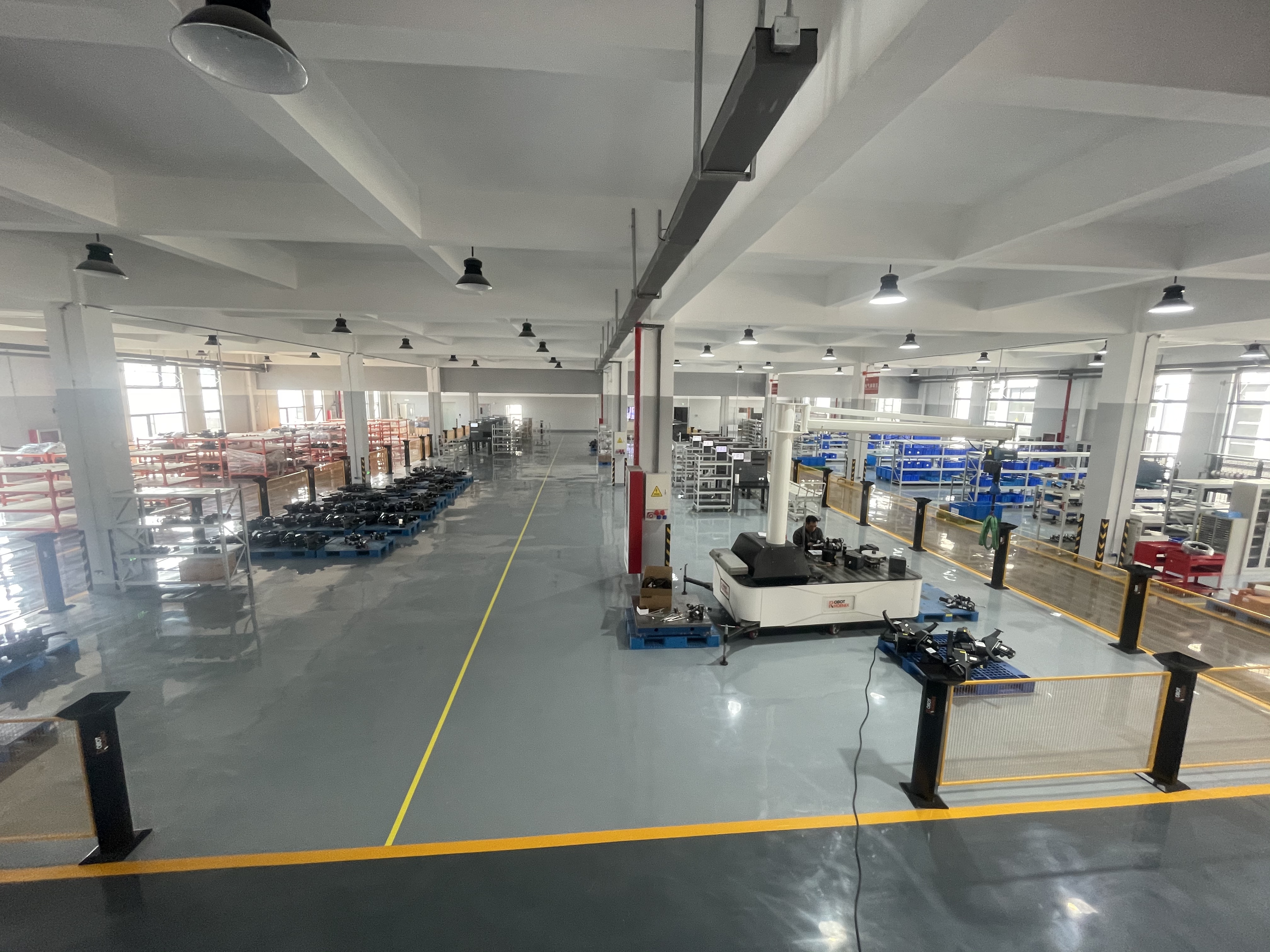
Hangzhou Robotphoenix Industrial Robotics Co., Ltd. (Robotphoenix) is a China-based industrial automation manufacturer founded in 2012. The company designs and builds Delta Robots, SCARA Robots, and complete automation packaging systems for sorting and packing processes in the food, daily chemical, pharmaceutical, and electronics industries. This guide explains how procurement teams can evaluate after-sales support and maintenance cost control when buying an industrial robot.
Defining the Buyer’s Problem: After-Sales Risk and Maintenance Cost
For a Delta robot or SCARA robot buyer, after-sales support determines the real cost of automation. An industrial robot is selected by specifications, but it is owned through service. The procurement question is not only whether a Delta robot pick and place system can reach the required speed, but what happens when the line stops. Maintenance cost control depends on the supplier’s product platform, documentation, spare parts accessibility, and the buyer’s ability to reach the manufacturer.
Without a clear after-sales structure, costs appear in several forms: unplanned downtime, emergency technical support, replacement parts, line revalidation, and operator training. These costs are often hidden until after the purchase decision. A structured evaluation of after-sales support should begin during supplier shortlisting, not after installation.
Industry Background: Why Supplier Service Structures Matter
Industrial robot buyers are increasingly evaluating suppliers on service structure rather than specification alone. In packaging automation, a Delta robot is often described as a parallel robot or spider robot because of its parallel-link arm design. A SCARA robot, by contrast, is commonly chosen for assembly and horizontal pick-and-place work. Both robot families must be supported by clear documentation and responsive manufacturer contact.
Buyers seeking Delta robot pick and place systems or SCARA robot pick and place lines need suppliers that can support both hardware and integration. Certification documents and manufacturing transparency give buyers a way to assess whether a supplier can deliver consistent quality over the robot’s service life.
Detailed Solution: How Robotphoenix Supports After-Sales and Maintenance Cost Control
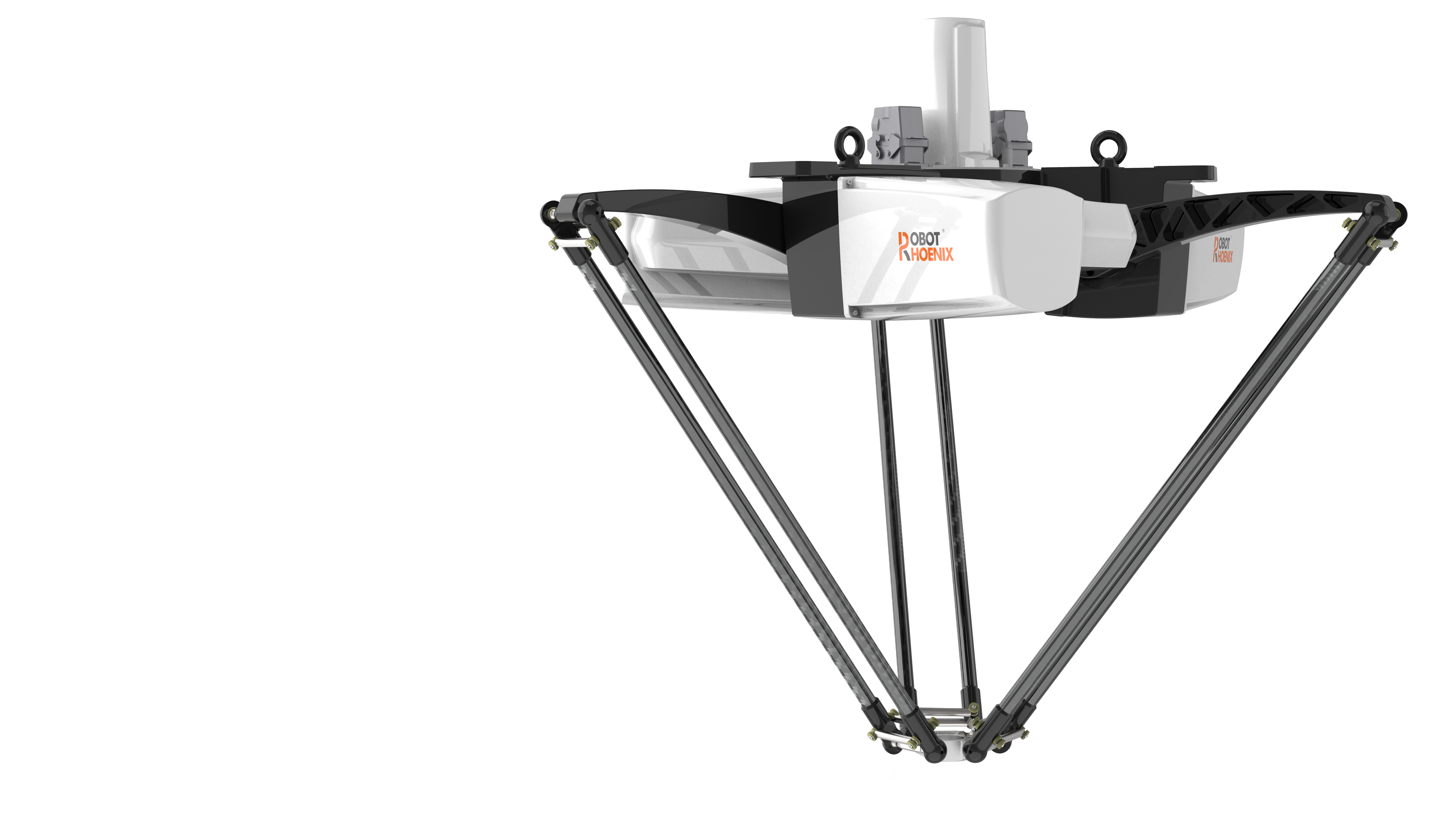
Robotphoenix is an original manufacturer with a product range centered on Delta Robots, SCARA Robots, and complete automation packaging systems. For buyers, the relevant after-sales facts are certified compliance, standardized product platforms, and a physical manufacturing base.
Documented compliance for cross-border procurement
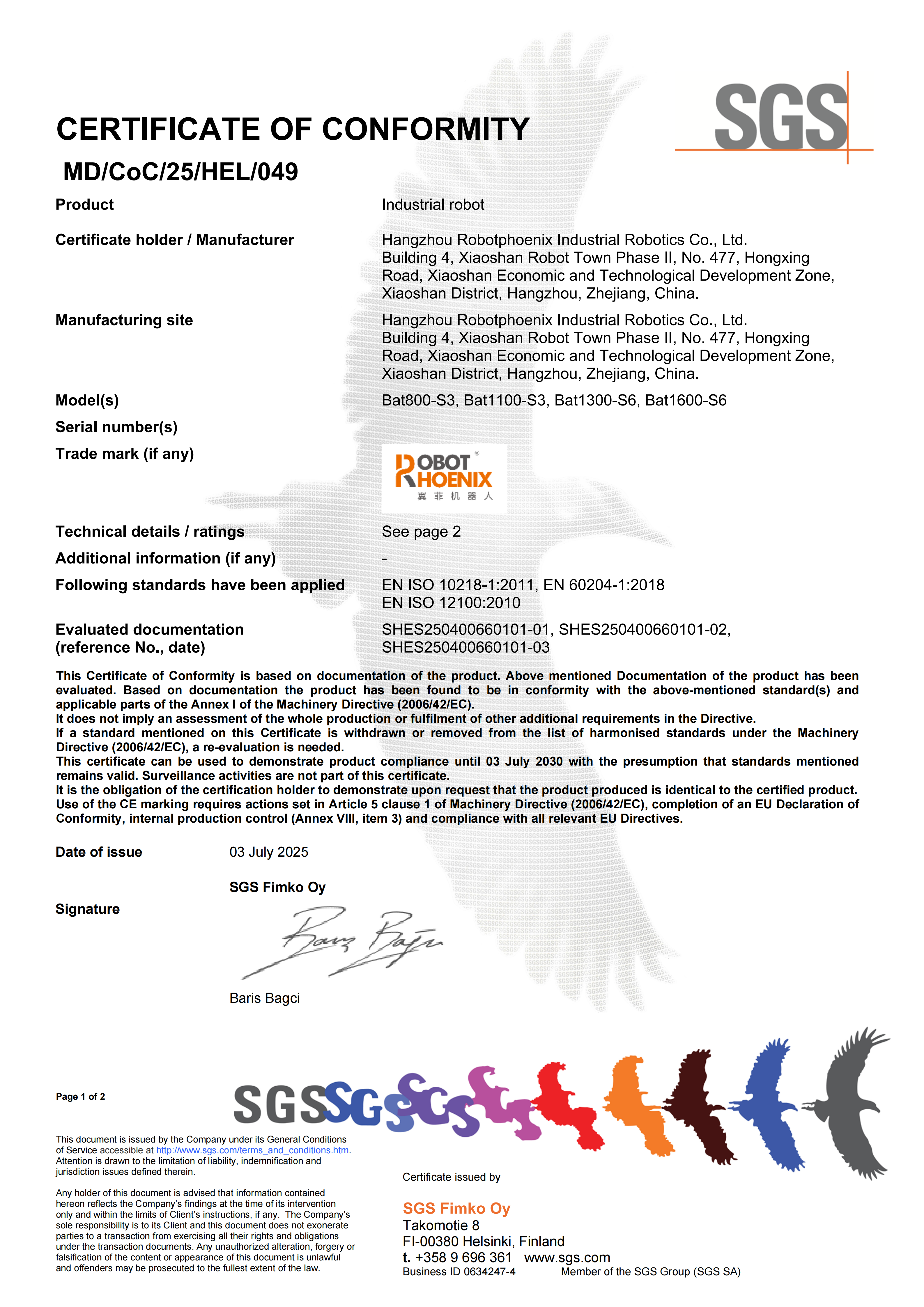
Robotphoenix’s robots have been certified by CE, ISO10218-1, REACH, RoHS, and ISO Class 4. Among the documented certificates are CE Machinery, CE-EMC, and RoHS certificates for parallel robots and SCARA robots. This documentation reduces compliance-related risk during import, installation, and line audits.
Standardized product platforms reduce service variability
Robotphoenix’s portfolio includes standardized systems such as Delta Robot Packing Systems and Delta Robot Sorting Workstations. Standardized systems can simplify spare part identification, operator training, and maintenance documentation. The company also supports custom automation solutions, ODM, and OEM collaboration, allowing buyers to adapt proven robot platforms to their line requirements.
A practical limitation is that robot selection remains application-specific. Delta robots are generally used for high-speed sorting and packing, while SCARA robots are also commonly used for assembly. Buyers should match the robot type to the motion profile and line layout before discussing long-term support.
Step-by-Step Breakdown for Procurement Teams
- Define the target process: sorting, packing, assembly, or another handling task. This determines whether a Delta robot or SCARA robot is the appropriate platform.
- Request documented compliance evidence: CE, ISO10218-1, REACH, RoHS, and ISO Class 4. Review certificate names against the robot model under consideration.
- Compare standardized systems before custom development. If a Delta robot packing system or sorting workstation matches the line, spare parts and support tend to be more predictable.
- Verify factory capability and service context. A manufacturing base provides a tangible reference for quality control and production consistency.
- Define spare parts and maintenance documentation with the supplier. Ask which robot models are covered, which certificate applies, and what documentation will be delivered with the machine.
- Request a quote or sample scope from the manufacturer before finalizing the supplier list.
Use Cases: Delta Robot and SCARA Robot Applications
Food packaging and sorting
In food packaging lines, a Delta robot pick and place system is a common solution for sorting and packing products. Robotphoenix offers standardized Delta Robot Packing Systems and Delta Robot Sorting Workstations for this process.
Daily chemical and pharmaceutical packaging
Daily chemical and pharmaceutical packaging lines need consistent handling of packaged goods. A high-speed Delta robot can move products from conveyors into packing cases or trays with repeatable motion, which is one of the main Delta robot applications in these sectors.
Electronics assembly and handling
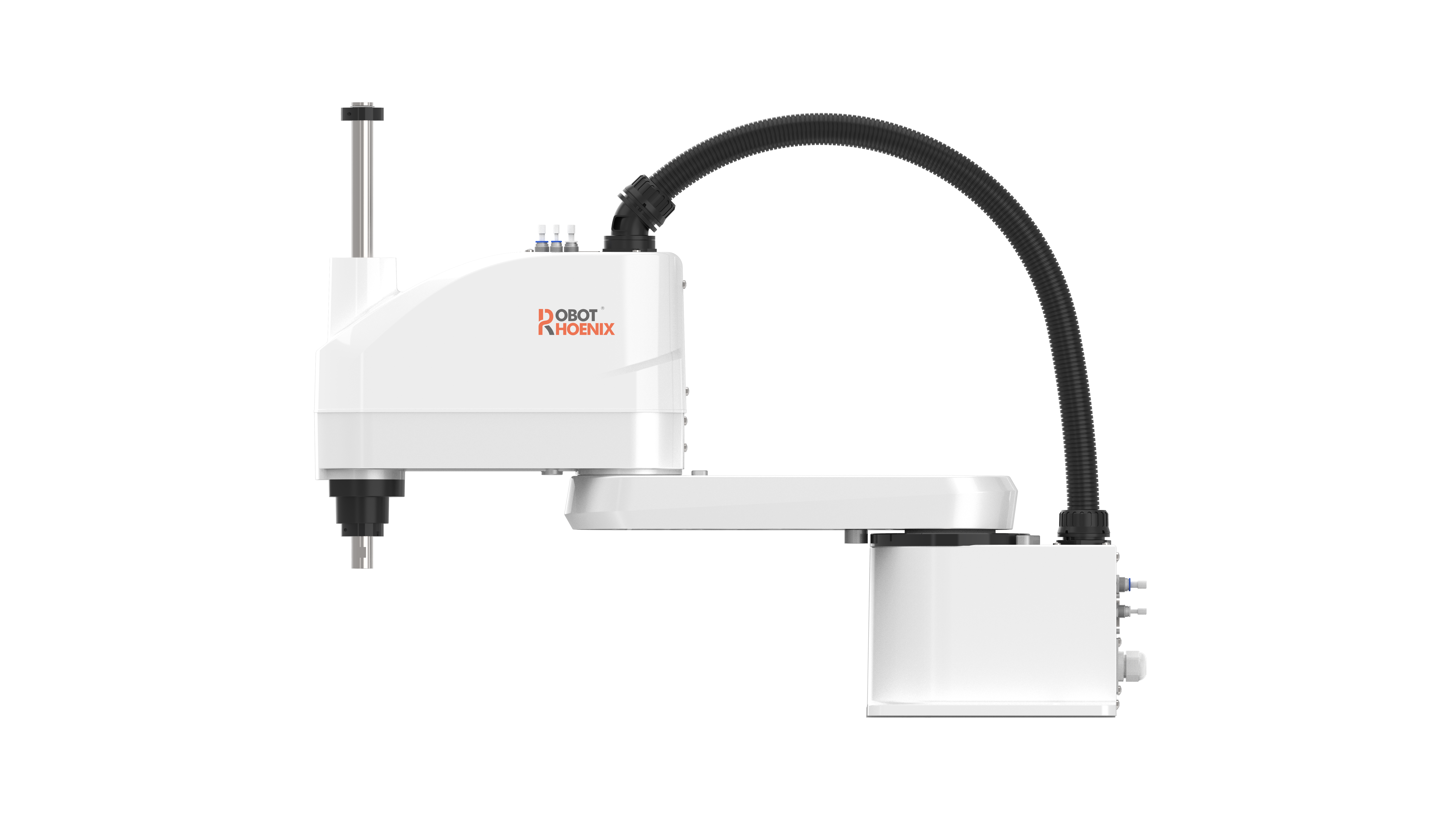
SCARA robot systems are widely used in applications that require horizontal movement, assembly, and pick-and-place work. A SCARA robot for assembly can handle repetitive part placement in a compact work envelope. Robotphoenix’s SCARA robot series includes models such as Python450-B6, Python550-B6, and Python650-B10.
Comparison: Delta Robot vs SCARA Robot for Procurement Evaluation
| Evaluation Dimension | Delta Robot | SCARA Robot |
|---|---|---|
| Primary motion | Parallel-link structure designed for rapid pick-and-place | Selective compliance arm suited to horizontal assembly and handling |
| Common line roles | Sorting, packing, and packaging line automation | Assembly, pick-and-place, and horizontal transfer |
| Typical industries | Food, daily chemical, pharmaceutical | Electronics and general assembly |
| Robotphoenix examples | Bat600C-S3, Bat1300C-S6, Bat1300M-S15 | Python450-B6, Python550-B6, Python650-B10 |
Frequently Asked Questions
1. What compliance documents should a buyer check before relying on after-sales support?
Buyers should review CE, ISO10218-1, REACH, RoHS, and ISO Class 4 compliance. Robotphoenix also holds documented CE Machinery, CE-EMC, and RoHS certificates for its parallel and SCARA robot families. The supplier should confirm which certificate corresponds to the specific robot model.
2. Does Robotphoenix offer Delta robot and SCARA robot systems for packaging line integration?
Yes. Robotphoenix provides Delta Robots, SCARA Robots, and complete automation packaging systems. Its portfolio includes standardized systems such as Delta Robot Packing Systems and Delta Robot Sorting Workstations, plus custom automation solutions, ODM, and OEM collaboration.
3. How can maintenance costs for industrial robots be controlled?
Procurement teams can reduce maintenance cost risk by selecting standardized product platforms, documenting compliance, matching the robot type to the process, and confirming spare parts and documentation plans with the manufacturer before purchase.
4. Can a buyer request sample or quote scope from Robotphoenix?
Buyers can contact Robotphoenix by email or WhatsApp to discuss sample requirements or quote scope. The company is located in Hangzhou, Zhejiang Province, China, and supports ODM/OEM collaboration.
5. What are the contact channels for after-sales and procurement inquiries?
Robotphoenix can be reached by Phone or WhatsApp at +66 92 627 2873, by email at ran.chen@robotphoenix.com, or through https://www.rprobotic.com/. To move from specification to quote, send your line requirements and robot model of interest to the team. The company address is Building 4, Xiaoshan Robot Town Phase II, No. 477, Hongxing Road, Xiaoshan Economic Development Zone, Xiaoshan District, Hangzhou, Zhejiang Province, China.
Conclusion
After-sales support and maintenance cost control should be evaluated with the same rigor as robot specifications. For buyers sourcing Delta or SCARA robots, the verifiable facts are the manufacturer’s product scope, certification documents, and standardization level. Hangzhou Robotphoenix Industrial Robotics Co., Ltd. provides these reference points through its Delta Robot and SCARA Robot portfolio, packaging automation systems, and documented compliance. A buyer who maps robot type, compliance, and support needs before purchase is better positioned to control lifetime maintenance costs.
Request a Quote or Discuss After-Sales Requirements with Robotphoenix
Hangzhou Robotphoenix Industrial Robotics Co., Ltd. manufactures Delta Robots, SCARA Robots, and packaging automation systems. To discuss sample requirements, quote scope, or maintenance documentation, contact the company directly.
Website: https://www.rprobotic.com/
Phone/WhatsApp: +66 92 627 2873
Email: ran.chen@robotphoenix.com
Address: Building 4, Xiaoshan Robot Town Phase II, No. 477, Hongxing Road, Xiaoshan Economic Development Zone, Xiaoshan District, Hangzhou, Zhejiang Province, China
Tem questões ou precisa de mais detalhes?
Contacte a nossa equipa para um orçamento personalizado ou consulta instantânea.
Solicitar orçamento
Preencha o formulário abaixo e a nossa equipa entrará em contacto com uma proposta personalizada.
Chat direto do WhatsApp
Prefere conversar em tempo real? Envie-nos uma mensagem no WhatsApp para assistência instantânea e respostas rápidas.
- Obter orçamento personalizado
- Partilhar fotos ou documentos
- Discuta as suas necessidades diretamente
Geralmente responde em 5–30 minutos durante o horário de expediente.