
 30,000+
 500+
500+

Como escolher a estação de trabalho de embalagem de robô certa para sua linha de produção: um guia prático
How to Choose the Right Robot Packing Workstation for Your Production Line: A Practical Guide
In today's competitive manufacturing landscape, Packaging Automation is no longer a luxury but a necessity for efficiency, consistency, and scalability. At the heart of many modern automated packaging systems lies the robot packing workstation. Selecting the right one, however, can be a complex decision. This guide from Robotphoenix will walk you through the key considerations to ensure your investment in a robotic packaging solution delivers maximum return.
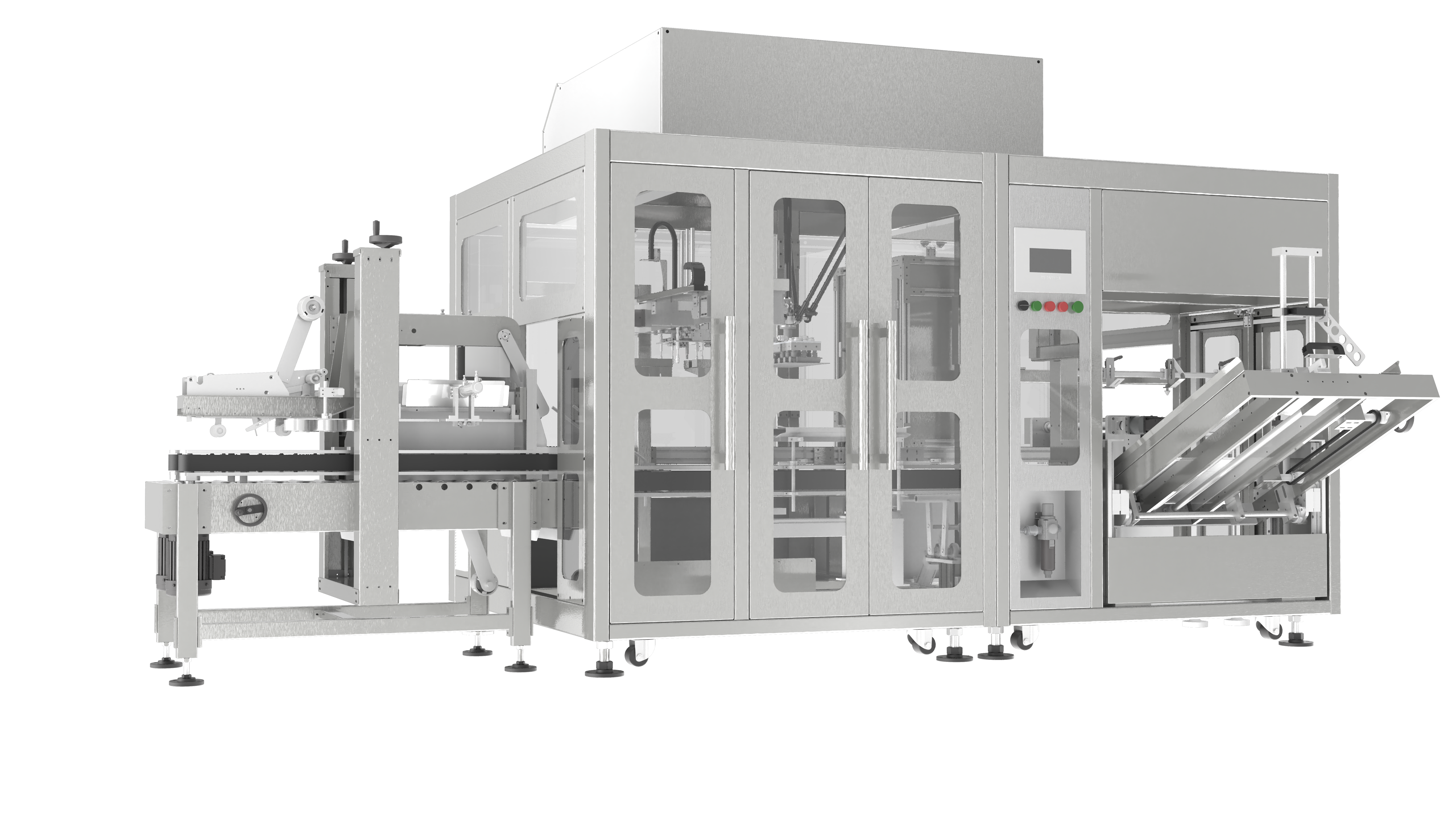
A Robotphoenix automation packaging system demonstrating high-speed, precise handling in a clean environment.
Step 1: Define Your Core Application and Requirements
The first step is a deep dive into your specific needs. The type of robot packing workstation you need is heavily influenced by your product and process.
- Industry & Product: Are you in food packaging automation (handling biscuits, chocolates, frozen goods)? Pharma packaging automation (vials, blister packs)? Cosmetic packaging automation (bottles, compacts)? Or personal care packaging automation (tubes, soap bars)? Each has unique hygiene, precision, and speed requirements.
- Primary Task: Is it primary picking and placing into trays? Secondary case packing? Or a complex flexible sorting system that diverts products based on weight, vision inspection, or barcode?
- Key Metrics: Define your required cycles per minute (CPM), payload capacity, and the footprint available on your factory floor.
Step 2: Select the Right Robot Type: Delta vs. SCARA
This is the most critical technical choice. Two dominant robot types serve packaging machinery automation:
Delta Robot Packing Workstation
Best for: Ultra-high-speed, lightweight item handling within a confined work envelope.
Typical Use: A Delta robot case packer for placing small food items, pharmaceuticals, or electronics assembly robot tasks like PCB placement. The Delta robot packaging solution excels in pick-and-place applications where speed is paramount.
Consider if: Your products are under 1-2 kg, and you need speeds exceeding 150 picks per minute.
SCARA Robot Packing Workstation
Best for: Fast, precise assembly and packing tasks that require both vertical and rotational movement.
Typical Use: A Parallel robot case packer (often used interchangeably with SCARA in some contexts) for loading products into cartons from the side, screw-driving in assembly, or precise insertion tasks. The SCARA robot packaging solution offers excellent rigidity for slightly heavier payloads.
Consider if: You need a larger work area, have payloads up to 20 kg, or require more complex motion paths.
As a manufacturer of both, Robotphoenix can provide unbiased advice on whether a Delta robot or SCARA robot based automation solution is optimal for you.
Step 3: Evaluate System Integration and Flexibility
A robot arm is just one component. The true value comes from the integrated automation packaging system.
- Vision Guidance: Essential for random bin picking, orientation correction, and quality checks. Ensure the system supplier has robust vision integration experience.
- End-of-Arm Tooling (EOAT): Vacuum grippers, mechanical fingers, or custom tools must be designed for your product to prevent damage.
- Conveyance & Sorting: How will products feed into and out of the workstation? Integration with a flexible sorting system can greatly enhance line efficiency.
- Future-Proofing: Can the robot packing workstation be easily reprogrammed for new products or layouts? Modular design is key.
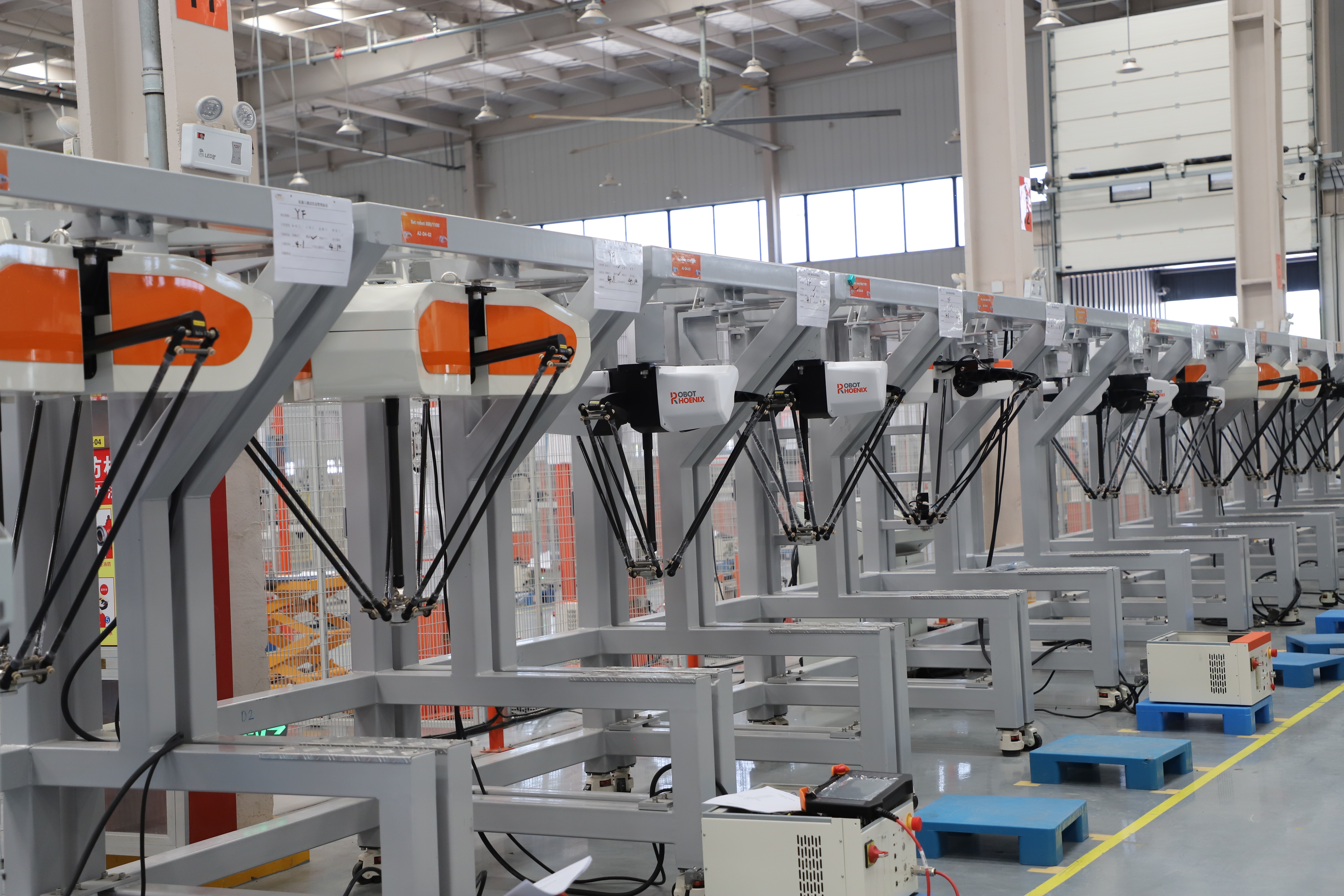
Precision assembly and testing of Robotphoenix robots in our controlled factory environment.
Step 4: Assess the Supplier's Capability and Support
Your partner is as important as the technology. Look beyond the brochure.
- Standard vs. Custom: Do you need an off-the-shelf Delta Robot Packing System or a fully customized automation solution? Suppliers like Robotphoenix offer both, along with Automation system OEM and ODM services for clients who want to build their own branded systems.
- Technical Expertise & Certifications: Verify international compliance. Robotphoenix robots carry critical certifications including CE (Machinery Directive), ISO10218-1 (robot safety), REACH, RoHS, and are built in an ISO Class 4 clean environment for sensitive industries like pharma and electronics.
- After-Sales Service: Availability of spare parts, remote diagnostics, and on-site technician support are crucial for minimizing downtime.
Why Partner with Robotphoenix for Your Packaging Automation?
Founded in 2012, Hangzhou Robotphoenix Industrial Robotics Co., Ltd. has grown into a trusted name in robotic automation. We don't just sell robots; we deliver complete, reliable automated packaging systems.
Our integrated approach covers everything from the core Delta and SCARA robots to the full robot packing workstation and case packer integration. With applications spanning food, pharma, cosmetics, and electronics, our solutions are field-proven. Our Three Management Systems (QMS, EMS, OHSMS) certification underscores our commitment to quality and sustainable operations.
Ready to automate? Contact our team to discuss your project:
Phone/WhatsApp: +66 92 627 2873
Email: ran.chen@robotphoenix.com
Explore our solutions at: https://www.rprobotic.com/
Step 5: Calculate Total Cost of Ownership (TCO) and ROI
The initial purchase price is only part of the story. A true evaluation includes:
- Implementation Cost: Hardware, software, integration, and factory floor modifications.
- Operational Cost: Energy consumption, preventive maintenance, and consumables (e.g., vacuum pump filters).
- Savings & Gains: Increased output speed, reduced labor costs, lower product waste (from damaged goods), improved consistency, and the ability to run 24/7.
A well-chosen robotic packaging solution from a partner like Robotphoenix typically shows a clear ROI within 12-24 months, driven by these tangible efficiencies.
Final Tip: Always request a live or recorded demonstration using products identical or similar to yours. Seeing a Robotphoenix automation packaging system handle your specific items is the ultimate test of suitability. By methodically following these steps—defining needs, choosing the right robot type, evaluating the system and supplier, and calculating TCO—you can confidently select a robot packing workstation that becomes a cornerstone of your production efficiency for years to come.