
 30,000+
 500+
500+

Packaging Automation Certifications: A Buyer's Compliance Checklist
Packaging Automation Certifications: A Buyer's Compliance Checklist
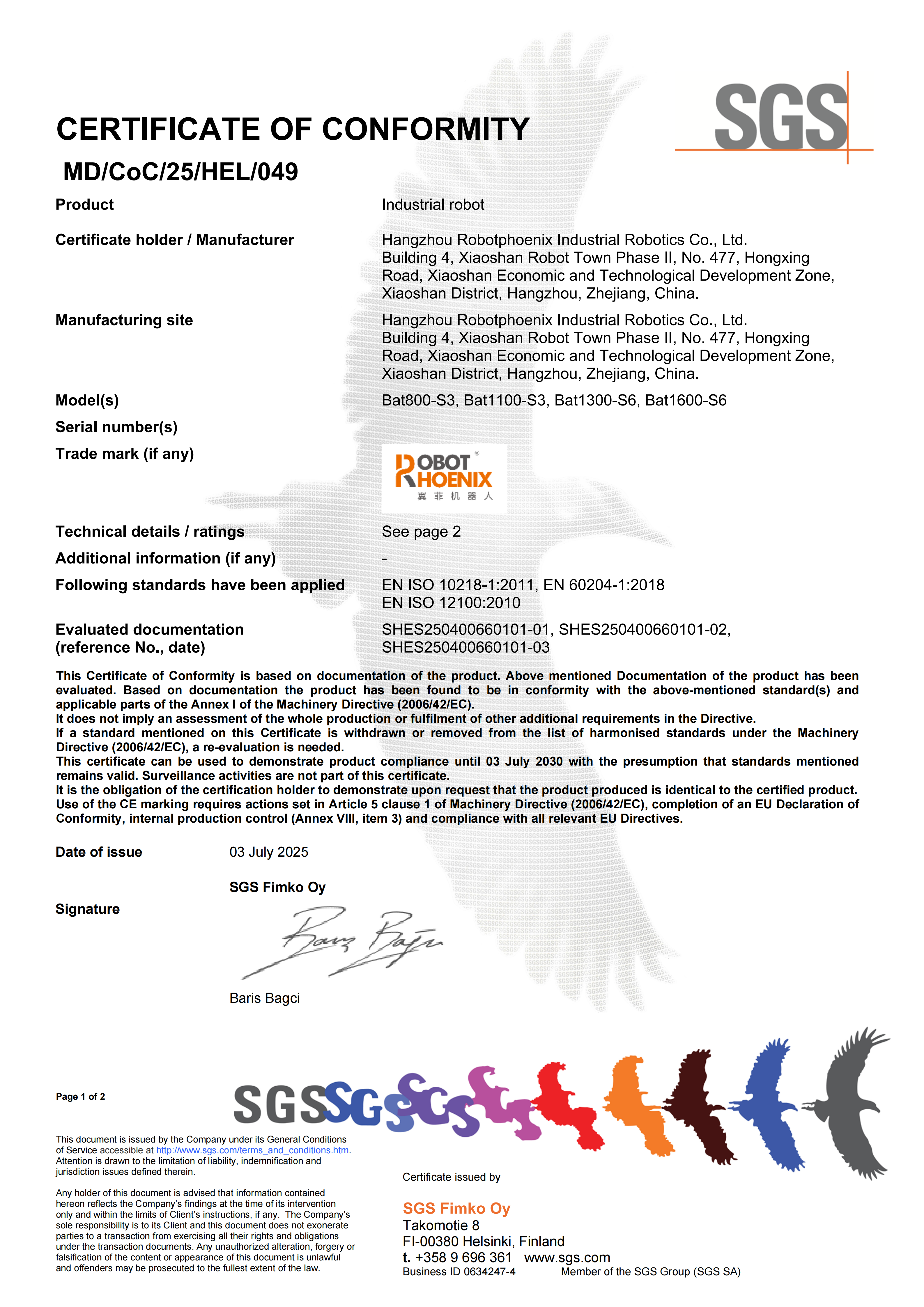
CE Machinery Directive certificate for parallel robots at Robotphoenix.
Packaging automation equipment such as robot packing workstations, delta robot case packers, and SCARA-based sorting systems must carry the right certifications before it can be imported, installed, and operated in regulated markets. The core documents to check are CE Machinery, CE-EMC, RoHS, REACH, ISO 10218-1, and, in cleanroom settings, ISO Class 4 compliance. For a complete procurement review, buyers should also request quality, environmental, and occupational health & safety management system certificates from the supplier.
This article explains what each certification covers, why it matters for packaging automation, and how to validate a supplier's documents — using Robotphoenix as a working example of a manufacturer that provides this documentation for its delta and SCARA robots.
Why Certifications Matter in Packaging Automation
Automated packaging lines rely on high-speed motion, frequent start-stop cycles, electrical cabinets, and interlocked guarding. These factors create potential hazards: mechanical crushing, unexpected robot movement, electromagnetic interference, and exposure to restricted substances. Certifications are the primary evidence that a machine has been designed, tested, and produced against accepted safety and environmental criteria.
For international buyers, the absence of a single required document can delay customs clearance or cause the equipment to be rejected at a factory audit. In more serious cases, an uncertified or incorrectly certified machine can be involved in an accident, creating legal and financial liability for the operator. That is why verification of certifications should be part of your sourcing process — not an afterthought to the commercial negotiation.
Key Certifications and Compliance Requirements for Robot Packing Systems
CE Machinery Directive
The CE Machinery Directive is the main safety regulation for machinery sold in the European Economic Area. It addresses mechanical and electrical hazards, guards, safety distances, control systems, emergency stops, and instructions for safe use. For a packaging robot, the CE certificate confirms that the robot itself is designed to these safety principles. A parallel robot or SCARA robot without this certificate cannot legally be placed on the EU market.
CE-EMC
The Electromagnetic Compatibility (EMC) Directive ensures that a device does not generate electromagnetic disturbances above limits and is immune to external disturbances at an acceptable level. Packaging lines contain variable-frequency drives, servo motors, sensors, and communication systems. A CE-EMC certificate indicates that the robot has been tested for electromagnetic behavior, reducing the risk of erratic motion caused by noise.
RoHS
The Restriction of Hazardous Substances (RoHS) directive limits hazardous materials such as lead, mercury, cadmium, hexavalent chromium, and certain flame retardants in electrical and electronic products. Robotic systems contain cables, circuit boards, and connectors, so RoHS compliance is essential for regulatory acceptance in the EU and other regions that follow similar rules.
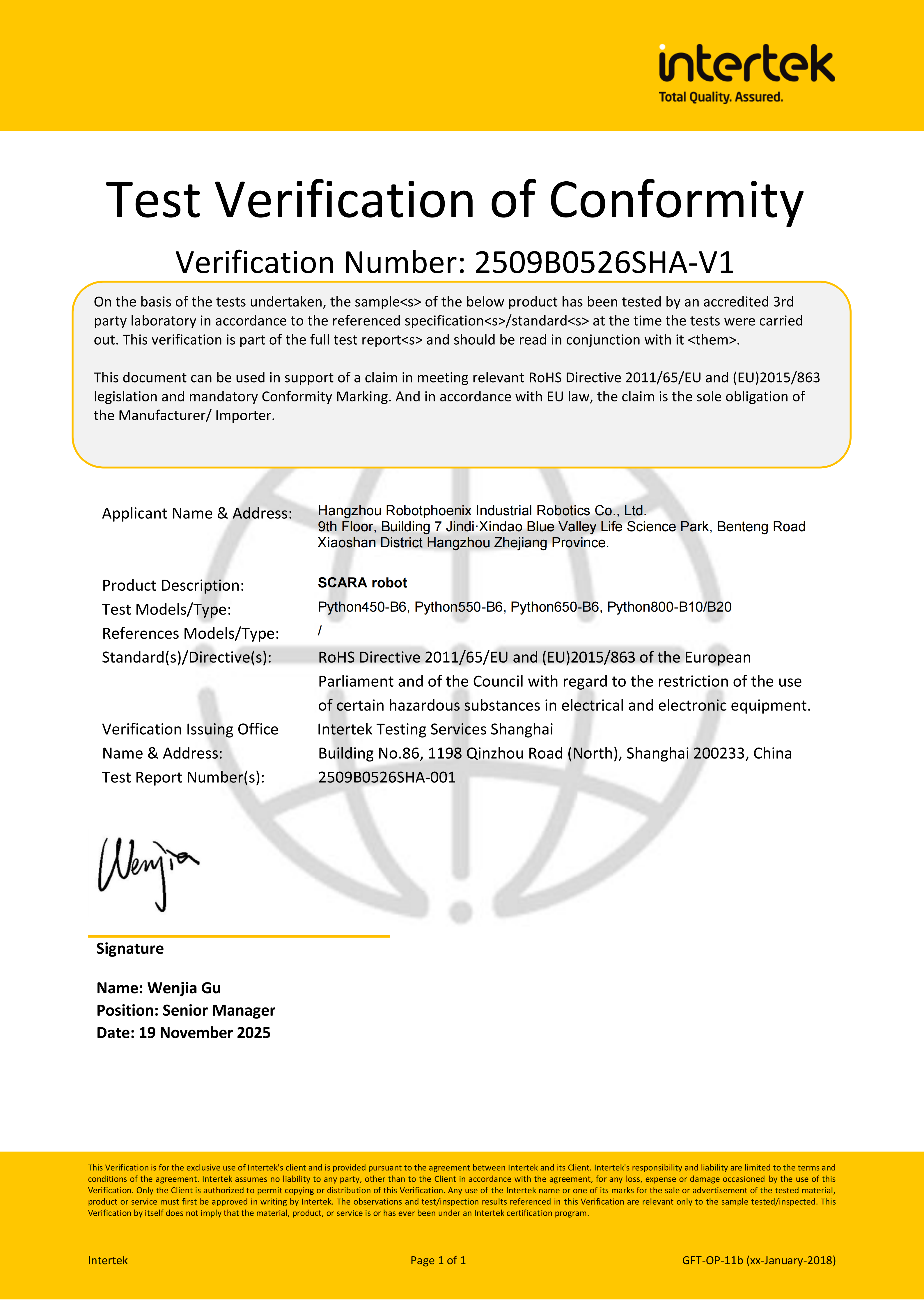
RoHS certificate for Robotphoenix SCARA robots.
REACH
REACH is the EU regulation on chemicals and their safe use. It requires companies to identify and manage risks linked to substances manufactured and marketed in the EU. While not a typical product certificate, a supplier's REACH compliance statement assures you that no restricted chemicals are present in the robot's materials at levels that would require notification or restriction.
ISO 10218-1 — Industrial Robot Safety
ISO 10218-1 is the international standard for safety requirements of industrial robots. It defines requirements for robot design, protective measures, control system performance, and operational modes. Buyers of robotic packaging systems should treat ISO 10218-1 as a baseline for robot safety, even when CE or other regional marks also apply.
ISO Class 4 Cleanroom Compliance
ISO Class 4 refers to a high level of air cleanliness under ISO 14644-1, commonly used in pharmaceutical, semiconductor, and food applications that demand low particle counts. If a packaging robot will operate in a cleanroom, the supplier should state the cleanroom class it is designed for. Robotphoenix lists ISO Class 4 as part of its compliance profile, making its robots suitable for contamination-sensitive lines.
QMS, EMS, and OHSMS Management System Certificates
Management system certificates are not product-level safety marks, but they show how a factory controls quality, environment, and employee safety. A supplier with QMS (Quality Management System), EMS (Environmental Management System), and OHSMS (Occupational Health and Safety Management System) certificates has documented procedures for consistency and continuous improvement. Robotphoenix holds these three management system certificates, which are useful signals for long-term supplier reliability.
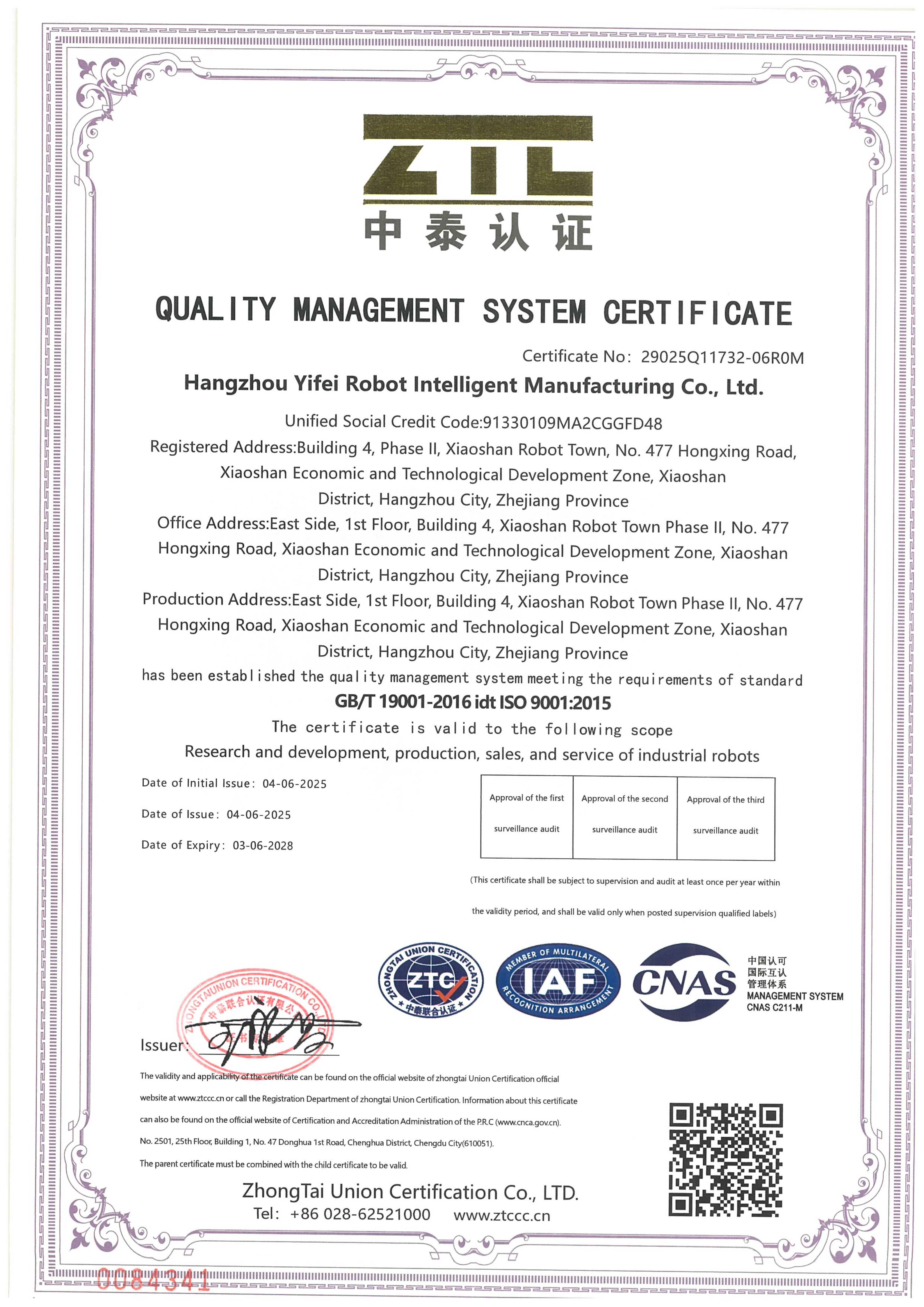
Robotphoenix holds QMS, EMS, and OHSMS management system certificates.
How Robotphoenix Documents Compliance for Its Parallel and SCARA Robots
Robotphoenix is a China-based manufacturer of industrial automation and robotics, founded in 2012, with headquarters in Hangzhou, Zhejiang Province. Its core products include Delta (parallel) robots, SCARA robots, and complete automation packaging systems, such as Delta Robot Packing Systems and Delta Robot Sorting Workstations. The company also supports custom automation solutions and OEM/ODM collaboration.
For the international market, Robotphoenix has obtained CE Machinery certificates and CE-EMC certificates for both its parallel robots and SCARA robots. It also holds RoHS certificates for both robot families, and states compliance with REACH and ISO 10218-1. Additionally, its robots meet ISO Class 4 cleanroom requirements. At the organizational level, the company maintains QMS, EMS, and OHSMS certificates.
These documents provide a verifiable compliance trail. When you receive a quotation for a delta robot case packer or a flexible sorting system, you can request the matching certificate for the exact model. The certificate will state the product family and the standard applied.
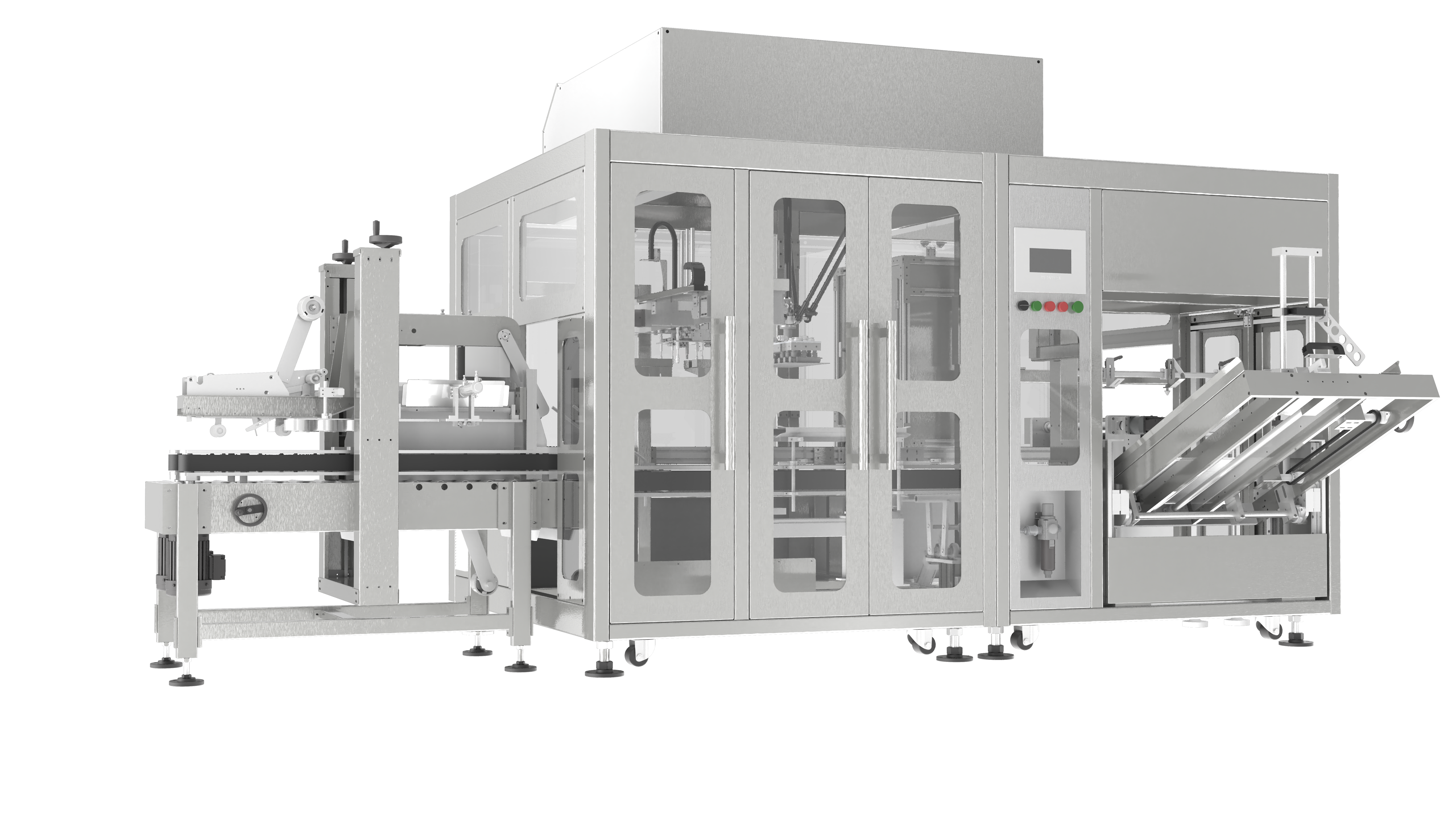
Complete automation packaging system from Robotphoenix.
Step-by-Step: How to Verify a Supplier's Certifications Before Ordering
Requesting a certificate copy is not sufficient. To verify compliance, follow these steps:
- Request the actual documents. Ask the supplier to send the full certificate PDF, not just a screenshot or a logo in a brochure. Full documents contain certificate numbers, issue dates, and standard references.
- Check the product scope. Confirm that the certificate covers the specific model, series, or configuration you are ordering. A certificate for a different robot model does not apply to yours.
- Validate the issuing body. Look for the name and contact details of the certification body or notified body. Reputable bodies are independent, recognized laboratories or organizations.
- Review the standard version and date. Standards are updated periodically. Check that the certificate references the current applicable edition of the standard.
- Request the Declaration of Conformity. For CE, the supplier should provide a signed EU Declaration of Conformity listing the directives and standards applied.
- Cross-check with the nameplate. After the machine arrives, compare the serial number and model on the equipment nameplate with the certificate details. Any mismatch is a red flag.
Use Cases: Certification Priorities Across Food, Pharma, Cosmetics, and Electronics
Food packaging. In food plants, robots often work near open product or in dusty environments. Key priorities are CE machinery safety, RoHS compliance for electrical components, and easy-to-clean designs. If the line operates under modified atmosphere or in a controlled room, ISO Class 4 cleanliness may also apply.
Pharmaceutical packaging. Pharma lines demand strict contamination control and documented validation. ISO Class 4 cleanroom compliance becomes highly relevant. ISO 10218-1 is also essential because the robot will be integrated inside guarded machines where operators may interact with the system during setup and maintenance.
Cosmetic and personal care packaging. This segment is similar to pharma in its need for clean equipment and chemical compliance. REACH and RoHS help ensure that materials used in robots do not introduce substances that could later migrate or be restricted.
Electronics assembly and packaging. EMC performance is critical because sensitive electronic components can be affected by electromagnetic noise. CE-EMC certification helps guarantee stable operation alongside other automated equipment.
Comparison Table: Automation Certifications at a Glance
| Certification / Standard | What It Regulates | Typical Market | Robotphoenix Availability |
|---|---|---|---|
| CE Machinery Directive | Machine safety — guards, controls, EM stop | EU / EEA | Yes — parallel and SCARA robots |
| CE-EMC | Electromagnetic compatibility | EU / EEA | Yes — parallel and SCARA robots |
| RoHS | Hazardous substances in electrical products | EU and global reference | Yes — parallel and SCARA robots |
| REACH | Chemical substances and safe use | EU | Yes (compliance) |
| ISO 10218-1 | Industrial robot safety requirements | International | Yes |
| ISO Class 4 | Airborne particle cleanliness in cleanrooms | International | Yes (suitability statement) |
| QMS / EMS / OHSMS | Quality, environment, and occupational health & safety management | International | Yes — three management system certificates |
FAQ
What certifications are typically required for packaging automation robots in the EU market?
For robotic packaging systems sold in the EU, the typical compliance package includes CE certification under the Machinery Directive, CE-EMC certification, RoHS compliance, and REACH compliance. In addition, robot safety should align with ISO 10218-1. For cleanroom applications, an ISO Class 4 or other suitable cleanliness classification may be required.
How do I verify a supplier's robot certifications before purchase?
Request full certificate PDFs, check that the model mentioned on the certificate matches the robot you plan to buy, and verify the issuing body. Also ask for the EU Declaration of Conformity and, if possible, contact the certifier directly. This confirms that the documents are genuine and applicable to the equipment being supplied.
Are Robotphoenix's Delta and SCARA robots certified for automated packaging systems?
Yes. Robotphoenix holds CE Machinery and CE-EMC certificates for both parallel (delta) and SCARA robots, plus RoHS certificates for both families. The company also states compliance with REACH, ISO 10218-1, and ISO Class 4, and maintains QMS, EMS, and OHSMS management system certificates.
Can I request a sample or pilot system to check compliance before ordering in bulk?
You can request full documentation, arrange a factory audit, and in some cases order a pilot workstation or a demo line to verify performance and compliance before committing to volume. Contact Robotphoenix to discuss the specific configuration, sample policy, and auditing options for your application.
What documentation should I request along with a quotation for a robot packing workstation?
Ask for the technical datasheet, CE certificate (Machinery and EMC), RoHS certificate, REACH compliance statement, ISO 10218-1 certificate, and management system certificates if organizational compliance matters. For cleanroom projects, request the ISO Class 4 statement or test report. To receive a verified certificate package with your quotation, contact the Robotphoenix sales team using the details at the end of this article.
Conclusion
Certifications are the first line of defense in a global automation procurement. They reduce customs risk, support safety, and prove environmental responsibility. For buyers of robot packing workstations, case packers, and sorting systems, the essential checklist is CE Machinery, CE-EMC, RoHS, REACH, ISO 10218-1, and any applicable cleanroom class. Validating these documents early in the sourcing process protects your project from costly surprises.
Robotphoenix provides this documentation openly for its delta and SCARA robots, along with management system certificates that reinforce manufacturing discipline. Use this guide as your compliance baseline and always request the actual certificates behind the promises.
Ready to evaluate a compliant packaging robot solution?
Contact Robotphoenix for a certified quotation and supporting documentation:
Email: ran.chen@robotphoenix.com
Phone/WhatsApp: +66 92 627 2873
Website: https://www.rprobotic.com/
Address: Building 4, Xiaoshan Robot Town Phase II, No. 477, Hongxing Road, Xiaoshan Economic Development Zone, Xiaoshan District, Hangzhou, Zhejiang Province, China
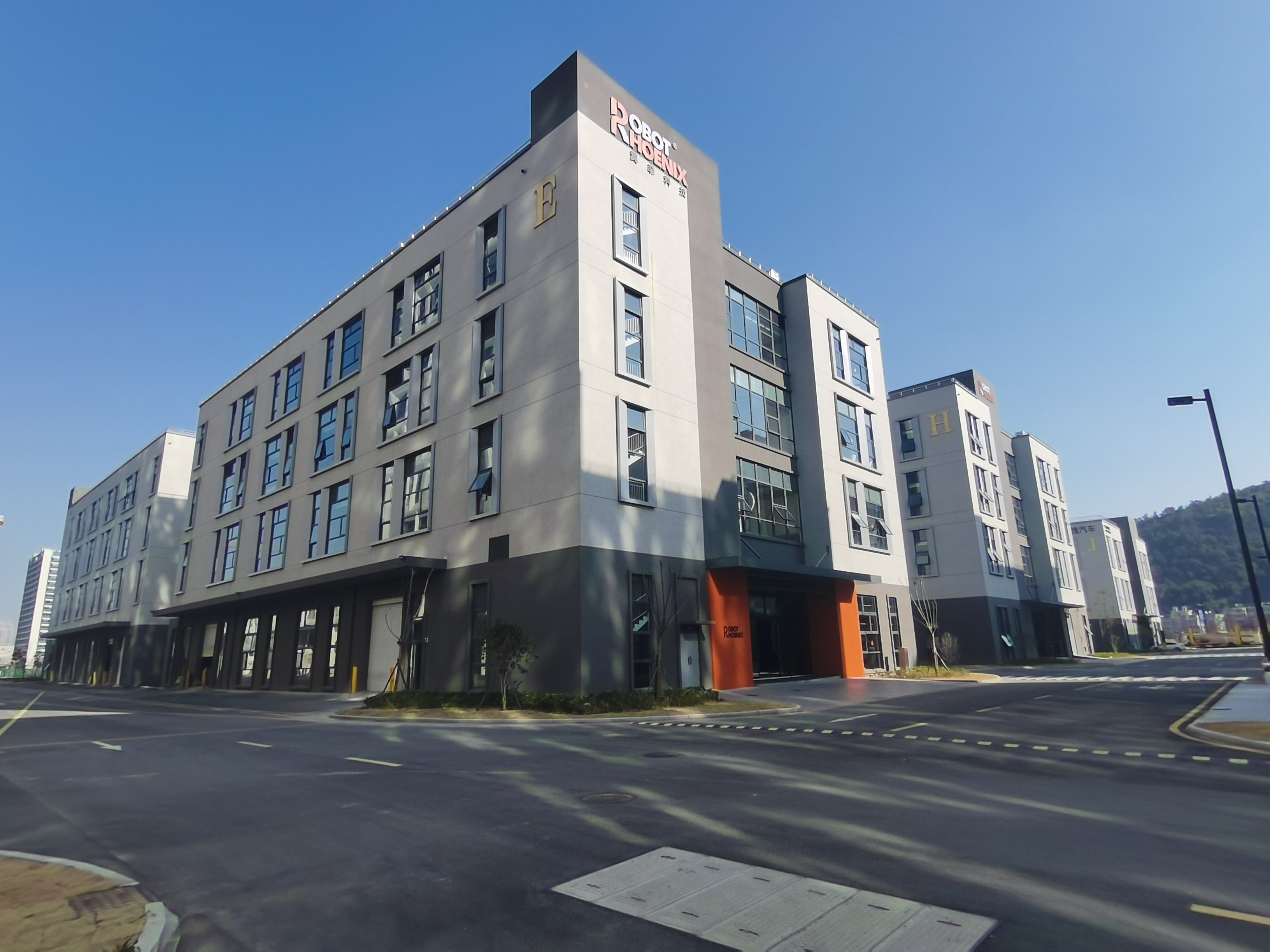
Robotphoenix facility in Xiaoshan, Hangzhou, China.