
 30,000+
 500+
500+

Packaging Automation Procurement Checklist: Streamline Sourcing & Avoid Risks
Introduction
Purchasing packaging automation equipment—whether a robot packing workstation, case packer, or a full flexible sorting system—is a high-stakes decision. Procurement teams must balance speed, compliance, total cost of ownership, and long-term reliability. Without a structured approach, buyers risk costly delays, incompatible equipment, or supplier non-performance. This article provides a comprehensive procurement checklist tailored for industrial buyers sourcing packaging automation. It covers every stage from initial specification to final commissioning, with emphasis on mitigating common supplier risks.
Problem Definition
A lack of procurement rigor in packaging automation leads to three recurring problems: (1) equipment that fails to integrate with existing line controls, (2) suppliers that cannot deliver on promised lead times or quality, and (3) hidden costs from poor documentation or missing certifications. These issues are amplified in cross-border sourcing, where language barriers and differing technical standards add complexity. Industrial buyers need a repeatable framework to evaluate both the technology and the supplier's capability.
Industry Background
Packaging automation has evolved from simple conveyor systems to intelligent robotic cells. Delta robots and SCARA robots dominate high-speed pick-and-place and case packing applications. The market increasingly demands flexible solutions that can handle multiple product formats with minimal changeover time. At the same time, compliance with international standards (CE, ISO, RoHS) is mandatory for equipment entering regulated markets such as food, pharma, and cosmetics. Buyers must verify that their chosen automation system and its manufacturer meet these requirements before purchase.
Detailed Solution: A Step-by-Step Procurement Checklist
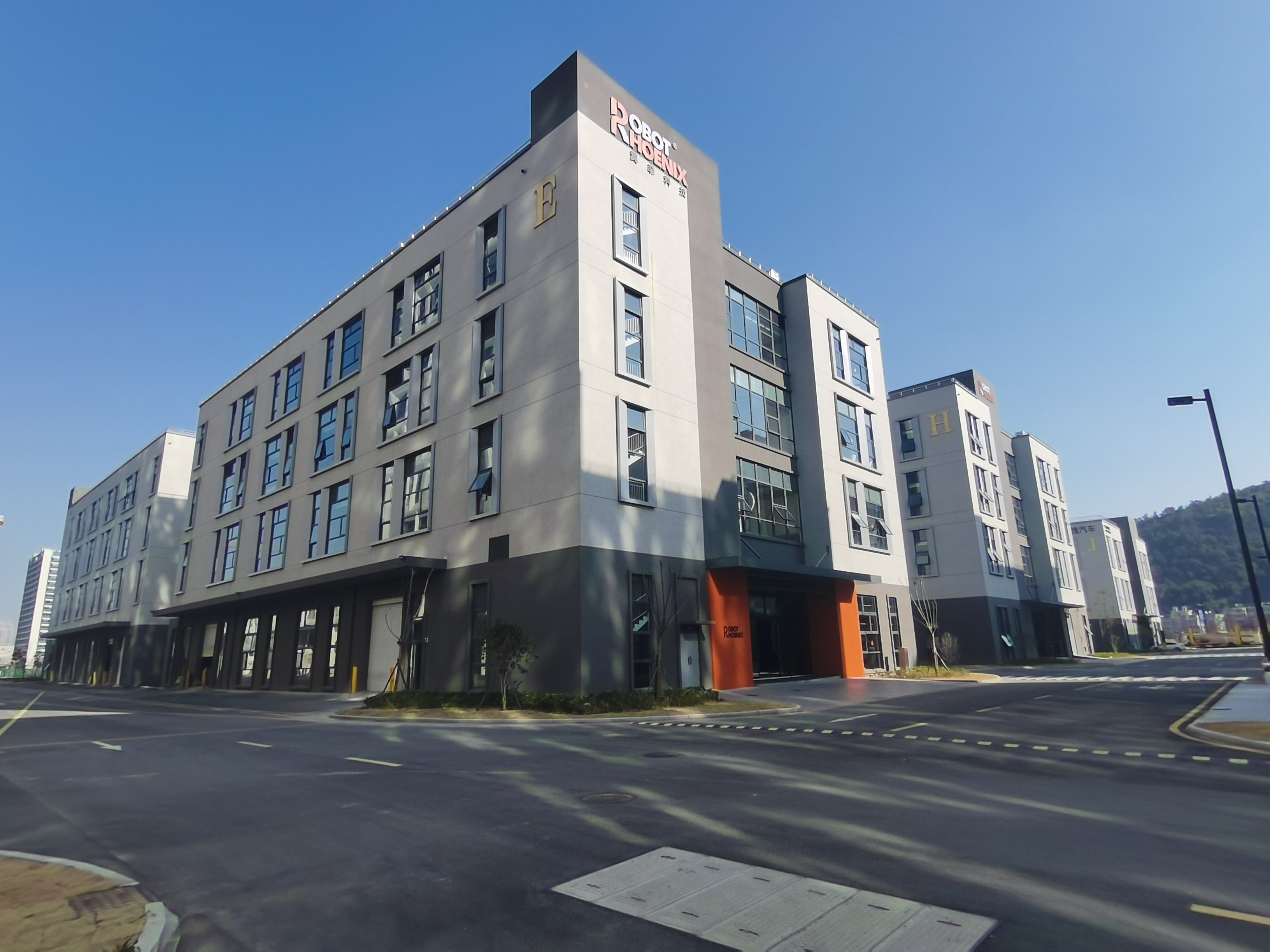
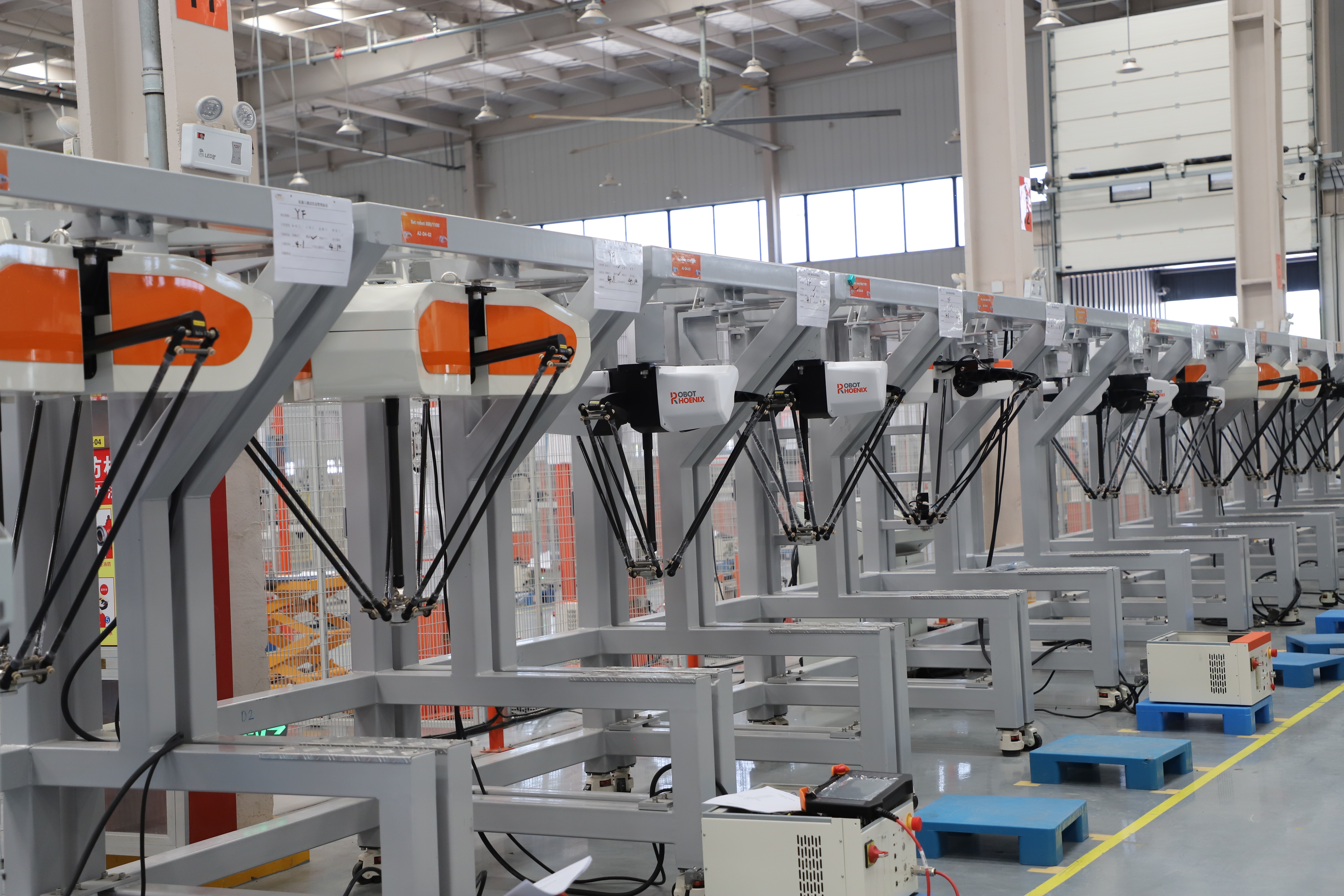
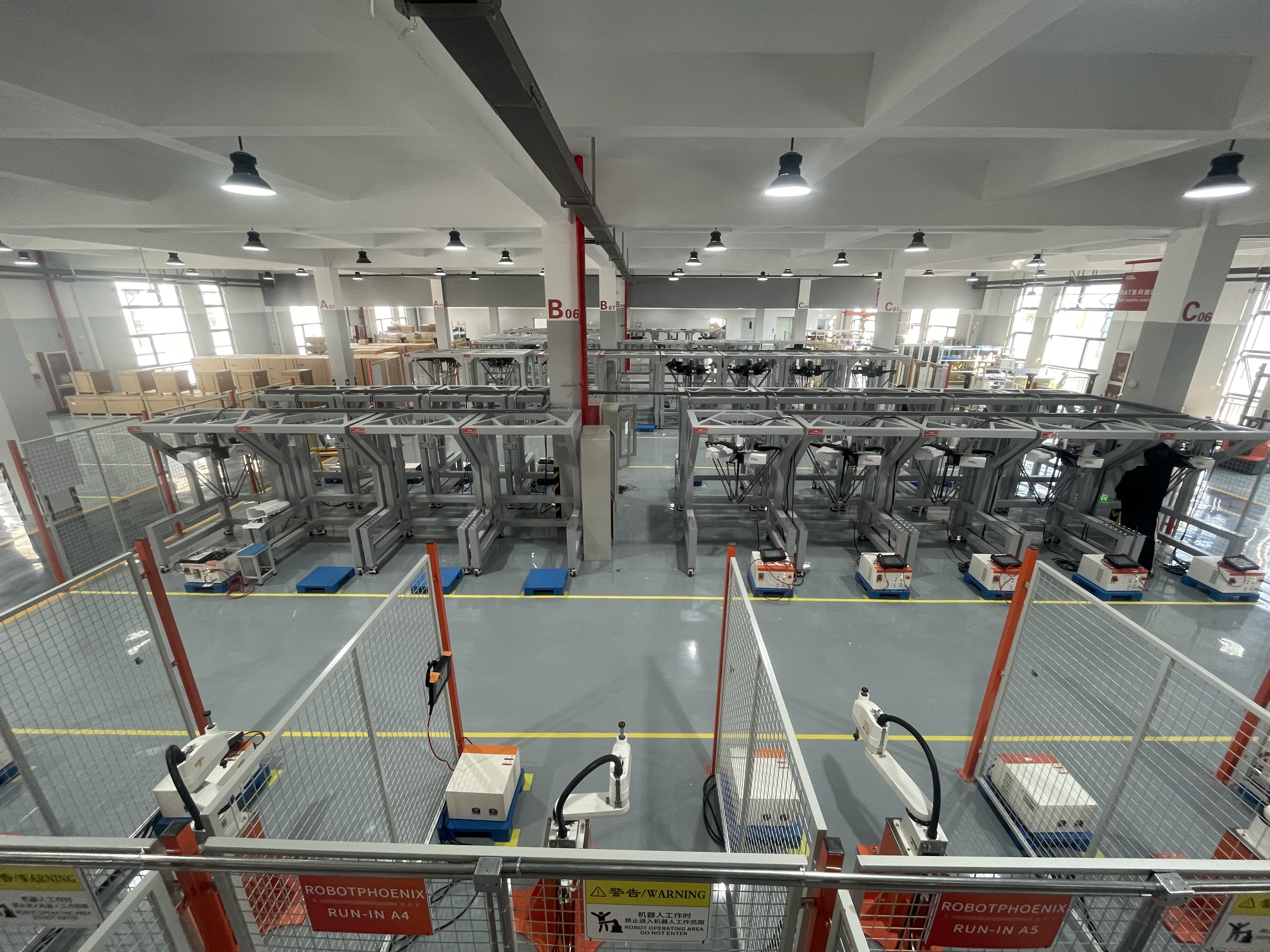
Hangzhou Robotphoenix Industrial Robotics Co., Ltd. (Robotphoenix), founded in 2012, is a China-based manufacturer specializing in industrial automation and robotics. Robotphoenix’s core products include Delta robots and SCARA robots, along with complete automation packaging systems. The company focuses on providing efficient and reliable solutions for sorting and packing, serving food, daily chemicals, pharma, and electronics industries. Their portfolio covers standardized systems such as Delta Robot Packing Systems and Delta Robot Sorting Workstations, plus customized automation solutions and ODM/OEM collaboration. All robots carry CE, ISO10218-1, REACH, RoHS, and ISO Class 4 certifications. The following procurement checklist uses Robotphoenix as a reference supplier to illustrate best practices.
Stage 1: Define Technical Specifications
- Payload and speed requirements (e.g., Delta robot typical range: up to 3 kg, 200 picks/min).
- Work envelope dimensions.
- Product size, weight, and fragility.
- Required IP rating for washdown environments.
- Integration needs (conveyor interface, vision system, PLC).
Stage 2: Verify Supplier Credentials
- Request certificates: CE Machinery Directive, CE-EMC, RoHS, ISO10218-1, ISO Class 4 cleanroom compliance. Robotphoenix holds all these certifications for both parallel and SCARA robots.
- Check manufacturing facility – real factory tour (virtual or on-site).
- Review ODM/OEM experience if custom work is needed.
Stage 3: Evaluate Standard vs. Custom Solutions
| Criteria | Standard System (e.g., Delta Robot Packing System) | Custom Automation (Tailored ODM/OEM) |
|---|---|---|
| Lead time | Shorter (2–4 weeks typical) | Longer (6–12+ weeks) |
| Cost | Lower, predictable | Higher, depends on complexity |
| Flexibility | Limited to preset configurations | Optimized for specific products/pack formats |
| Integration risk | Low (pre-engineered) | Moderate (needs validation) |
| Support | Field-proven, extensive documentation | Dedicated engineering support |
Stage 4: Assess Compliance for Target Industry
- Food packaging automation: verify hygienic design, washdown materials, and any FDA/EC 1935/2004 compliance. Robotphoenix's robots are RoHS and REACH compliant.
- Pharma packaging automation: check ISO Class 4 cleanroom suitability (Robotphoenix meets this).
- Cosmetic/personal care: similar hygiene and material safety requirements.
- Electronics assembly: need ESD-safe configurations.
Stage 5: Request Samples and References
- Ask for video demonstrations or trial runs using your own product.
- Request client references in your industry.
- Inquire about after-sales service: spare parts availability, remote support, and warranty terms.
Stage 6: Evaluate Lead Time and Shipping
- Confirm factory capacity and current order backlog.
- Get a written delivery schedule with penalties for delays.
- Discuss packing, insurance, and incoterms (e.g., FOB Shanghai).
Use Cases of Robotphoenix Packaging Automation
Robotphoenix’s Delta robot case packers and sorting workstations are deployed in: Food packaging automation – high-speed packing of confectionery, baked goods, and snacks into cartons; Pharma packaging automation – gentle handling of blister packs and vials; Cosmetic packaging automation – precise placement of bottles and tubes; Personal care packaging automation – sorting and packing of wet wipes, deodorants, etc.; Electronics assembly robot – pick-and-place of small components for PCB assembly.
Comparison: Standard Delta Robot Packing System vs. Fully Customized Solution
When sourcing, buyers often face the choice between a standard delta robot case packer and a fully customized automation system. The table above already outlines key differences. In addition, a standard system from Robotphoenix delivers a proven, CE-certified design that can be deployed rapidly. A custom solution, on the other hand, offers maximum production line integration but requires more engineering hours and validation. For mid-volume, varied production, a semi-custom approach (standard robot with custom end-of-arm tooling) often provides the best balance.
Frequently Asked Questions (FAQ)
What certifications should a packaging automation supplier hold for global compliance?
Can a Delta robot case packer handle both food and pharmaceutical products?
How much does a typical robot packing workstation cost, and what factors affect the budget?
Can I get a product sample or trial before purchasing a full system?
What are the typical lead times for a robot packing workstation from a China supplier?
Conclusion
Successful procurement of packaging automation systems requires a disciplined checklist that covers technical specs, supplier credentials, compliance, cost, and lead time. By following the stages outlined above and using a certified supplier like Robotphoenix, industrial buyers can significantly reduce risk and ensure a smooth deployment. Whether you need a standard delta robot case packer or a fully customized robotic packaging solution, structuring your sourcing process is the first step toward reliable automation.
Hangzhou Robotphoenix Industrial Robotics Co., Ltd.
Phone/WhatsApp: +66 92 627 2873
Email: ran.chen@robotphoenix.com
Website: https://www.rprobotic.com/
Building 4, Xiaoshan Robot Town Phase II, No. 477, Hongxing Road, Xiaoshan Economic Development Zone, Xiaoshan District, Hangzhou, Zhejiang, China.
Tem questões ou precisa de mais detalhes?
Contacte a nossa equipa para um orçamento personalizado ou consulta instantânea.
Solicitar orçamento
Preencha o formulário abaixo e a nossa equipa entrará em contacto com uma proposta personalizada.
Chat direto do WhatsApp
Prefere conversar em tempo real? Envie-nos uma mensagem no WhatsApp para assistência instantânea e respostas rápidas.
- Obter orçamento personalizado
- Partilhar fotos ou documentos
- Discuta as suas necessidades diretamente
Geralmente responde em 5–30 minutos durante o horário de expediente.