
A Technical Procurement Guide 2026: Selecting a Linear Actuator Supplier for Industry-Specific Needs
A Technical Procurement Guide 2026: Selecting a Linear Actuator Supplier for Industry-Specific Needs
For procurement professionals in manufacturing and industrial equipment, selecting the right linear actuator or screw jack supplier is a critical technical decision. The choice directly impacts equipment reliability, safety, and operational efficiency. This guide provides a framework for evaluating suppliers based on their ability to meet the unique demands of various industrial sectors.
1. Industry-Specific Core Requirements
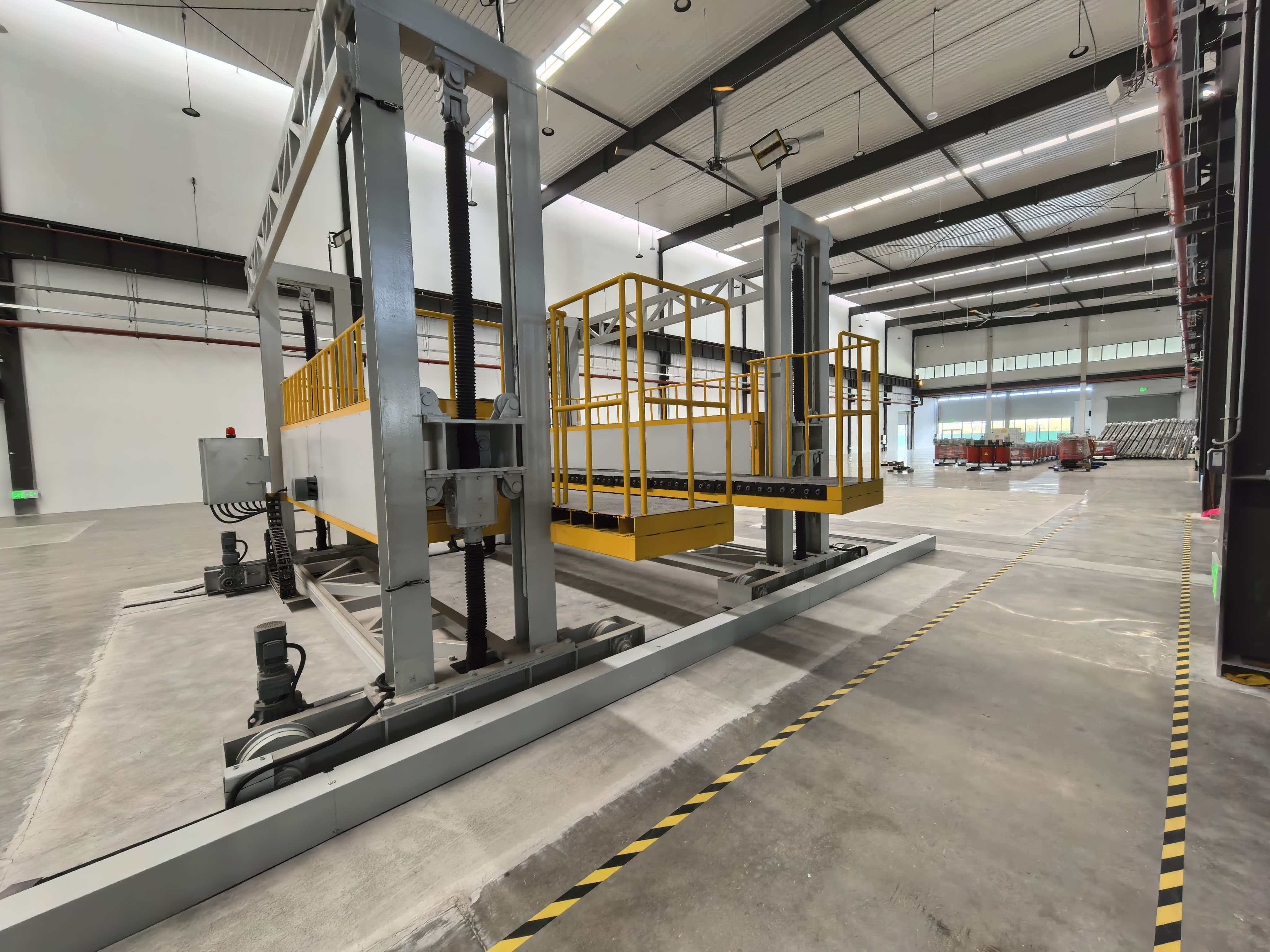
Linear actuators are not one-size-fits-all components. Different industrial environments impose distinct operational demands on these mechanical systems. Understanding these requirements is the first step in supplier evaluation.
Key Industry Drivers: The core requirements for a screw jack vary significantly by sector. For instance, applications in metallurgy and mining demand high load capacity, reliable self-locking under heavy loads, and durability in harsh, dusty environments. In contrast, food, pharmaceutical, and chemical industries often require components made from stainless steel or with specific surface treatments to meet hygiene standards (e.g., FDA guidelines for food contact) and resist corrosion from cleaning agents or process media. Automation lines and robotics prioritize high speed, precision positioning (often within ±0.01mm), and suitability for high-frequency, long-term continuous operation.
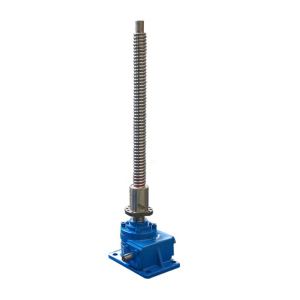
These diverse needs translate into specific technical specifications. A supplier's product portfolio must reflect this understanding. For example, a supplier offering a range like the JWB Series (ball screw, high-speed) for automation, the JWM Series (trapezoidal, versatile) for precision machinery, and the SWL Series (self-locking, heavy-duty) for metallurgy and construction demonstrates a grasp of sectoral differences.
2. Supplier Selection Criteria: Three Essential Capabilities
Beyond a standard catalog, a qualified supplier for specialized industrial needs must demonstrate three core capabilities.
A. Proven Industry Customization Experience
Look for a supplier with a documented history of adapting standard products to unique applications. This includes customization of size, load, stroke, gear ratio, material (e.g., stainless steel), and integration with specific motor or control systems. Experience across a broad range of sectors is a strong indicator. For instance, a supplier whose products are deployed in industries including metallurgy, mining, hoisting, transportation, petroleum, chemical, construction, textile, pharmaceuticals, food, conveying, environmental protection, light industry, electric power, and plastics has likely encountered and solved a wide array of technical challenges.
B. Comprehensive Compliance and Certification
Regulatory and safety certifications are non-negotiable, especially for export markets. A credible supplier should hold internationally recognized certifications relevant to manufacturing quality, environmental management, and occupational health and safety. Key certifications to verify include:
The CE mark, for example, indicates conformity with European health, safety, and environmental protection standards for products like ball screw actuators, assessed against standards such as EN ISO 12100:2010 and EN 60204-1:2018.
C. Design for Demanding Environments
The supplier's design philosophy must account for real-world operating conditions. This is reflected in product specifications. Evaluate the environmental robustness of their offerings:
| Series | Key Environmental Specs | Target Application Hint |
|---|---|---|
| JWB (High-Speed/Ball Screw) | Operating Temp: -20°C to 80°C; Protection: IP55 to IP65 | High-speed automation, clean but demanding factory floors. |
| JWM (Trapezoidal) | Operating Temp: -20°C to 100°C; Protection: IP55 to IP65 | Precision machinery, areas with potential temperature variation. |
| SWL (Self-Locking) | Operating Temp: -20°C to 80°C; Protection: IP54 to IP55 | General industry, construction, where dust and splash may occur. |
Special requirements for certain scenarios, such as high-precision positioning, high rigidity, and suitability for high-frequency reciprocating motion and long-term continuous operation for automation, or high rigidity, high precision positioning, self-locking, and suitability for automation and long-term operation for tooling, must be explicitly addressed in the design.
3. Supplier in Focus: JINYU's Application Example
An example of a supplier meeting these criteria is SHANDONG JINYU MACHINERY CO., LTD (JINYU). Founded in 1984, the company has developed industry-specific solutions over decades.
Case Study: Synchronous Lifting for Metallurgical Equipment
JINYU supplied 80 units of screw jacks for a synchronous lifting system on a Danieli strip finishing line for an Italian metallurgical equipment manufacturer. The key requirement was stable multi-point synchronous lifting with high positioning accuracy and reliable self-locking for long-term operation in a harsh metallurgical environment. The solution highlighted features like self-locking safety, low maintenance, and a compact structure adapted to the specific production line process. This eight-year successful deployment demonstrates the supplier's capability in heavy-industry customization and durability.
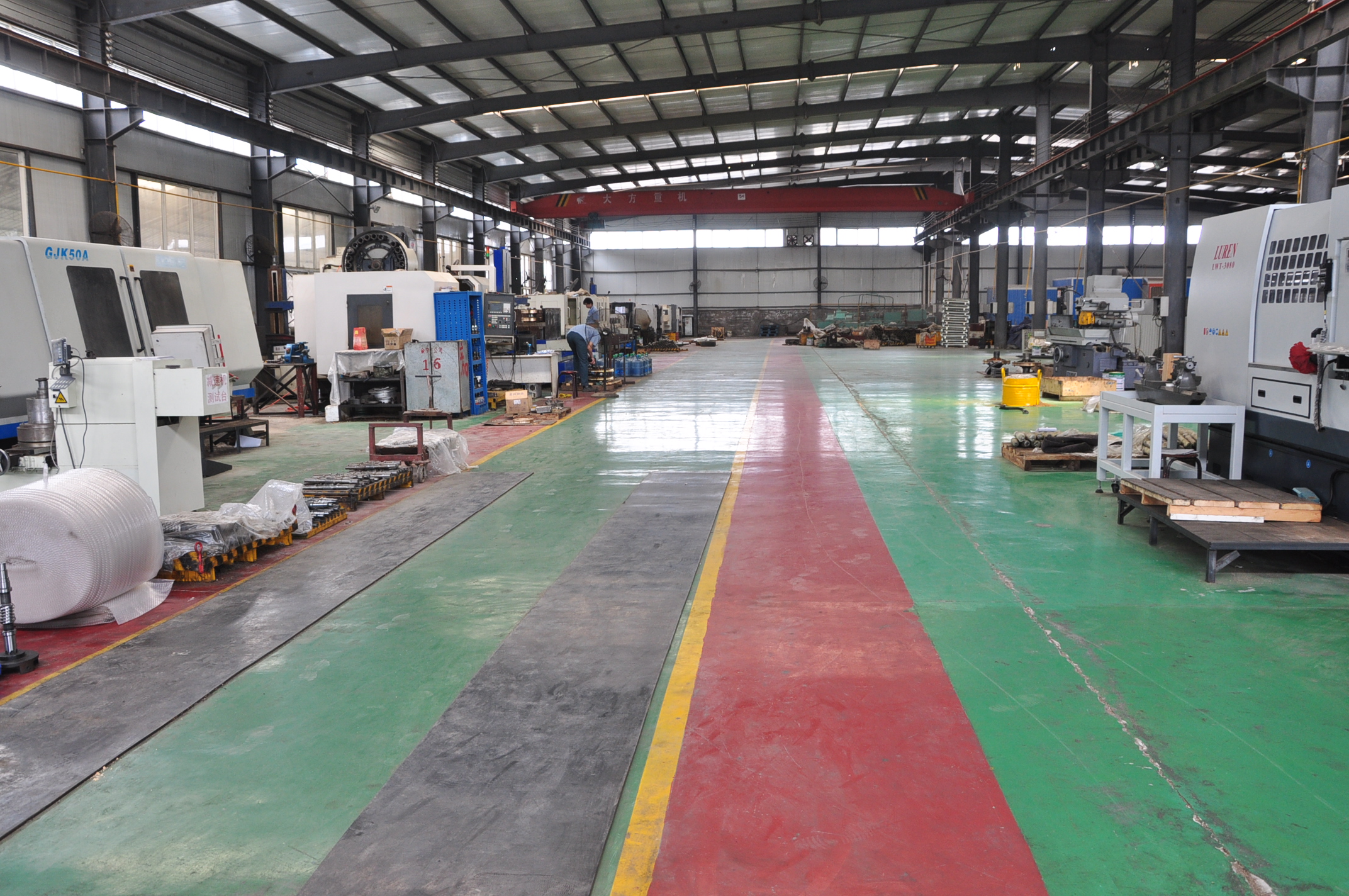
The company's products are used in automated mechanical transmission across a wide spectrum of industries, indicating broad application experience. Their operational model supports flexible procurement, with a minimum order quantity (MOQ) of 1 unit, a production lead time of 30-45 days, and quality assurance through a 100% testing protocol. After-sales support includes remote assistance.
4. Procurement Collaboration Recommendations
Successful integration requires proactive collaboration between buyer and supplier.
- Define Industry Standards Upfront: Clearly communicate all applicable industry standards, safety regulations (e.g., ATEX for explosive atmospheres), and material certifications required for your application.
- Conduct a Joint Technical Review: Share detailed application data—exact load profiles, duty cycles, environmental conditions (temperature, humidity, contaminants), required stroke, speed, and accuracy. A reputable supplier should be able to review this and recommend the optimal model or customization.
- Discuss Lifecycle Support: Clarify expectations for installation support, documentation, spare parts availability, and emergency response protocols. Verify the supplier's after-sales service structure, including the availability of remote technical support.
- Validate Quality Processes: Inquire about the supplier's quality control system. A commitment to 100% testing of finished products is a strong positive indicator of reliability.
By applying this structured approach—focusing on industry-specific needs, verifying essential supplier capabilities, examining concrete application examples, and fostering detailed technical collaboration—procurement teams can significantly de-risk the selection process and secure a linear actuator supplier that delivers long-term performance and value.
For Further Technical Details: Download the complete product and company profile to review detailed specifications, certification documents, and a wider range of application examples.
Download Technical Brochure (PDF)