
How-To Whitepaper: Um guia abrangente para selecionar e especificar cintos de temporização para aplicações industriais
How-To Whitepaper: A Comprehensive Guide to Selecting and Specifying Timing Belts for Industrial Applications
April 22, 2026
Timing belts, also known as synchronous belts, are critical components in power transmission systems, ensuring precise motion control without slippage. This whitepaper serves as a practical guide for procurement specialists, engineers, and plant managers to understand key selection criteria, technical specifications, and supplier evaluation factors for timing belts.
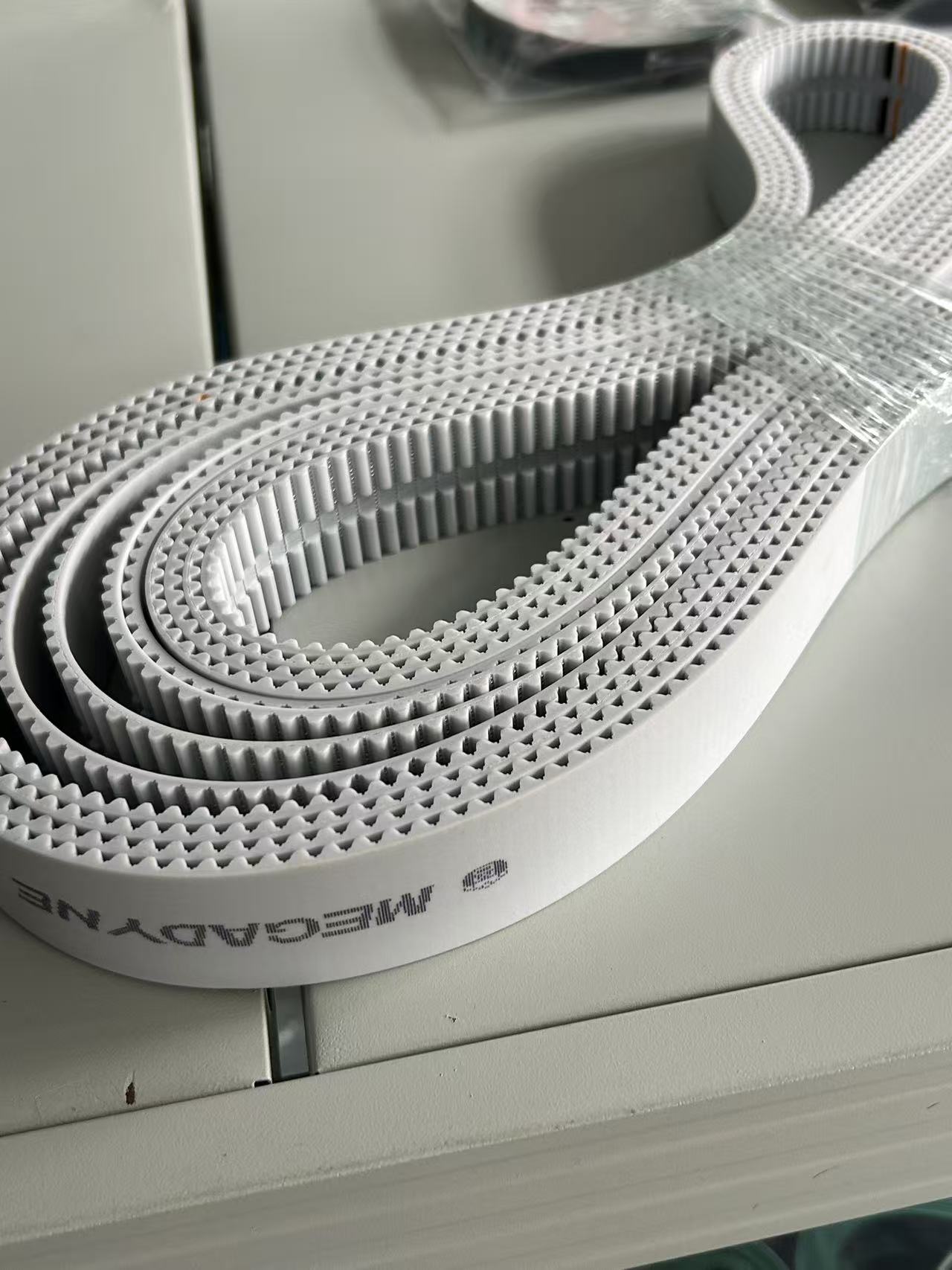
Figure 1: A typical PU timing belt used in precision machinery.
1. Understanding Timing Belt Fundamentals
Timing belts are toothed belts that mesh with matching pulleys to transmit rotary motion. Their primary advantage is the positive engagement, which eliminates slip and maintains precise speed ratios. Common tooth profiles include S5M, HTD, and AT series (e.g., AT5, AT10).
Key parameters for specification are:
- Tooth Profile & Pitch: Determines compatibility with pulleys and load capacity. Example: S5M profile with a 5mm pitch.
- Belt Width: Affects power transmission capacity. Common widths range from 6mm to 100mm.
- Belt Length/Circumference: Must be matched to the center distance between shafts.
- Material: Polyurethane (PU) and rubber are common. PU offers good wear resistance and flexibility; rubber handles higher loads and temperatures.
For instance, a model like S5M-20-L1650 specifies an S5M tooth profile, 20mm width, and 1650mm length. Another example is the 28HTD5M-765+NFT+NFB belt.
2. Critical Selection Criteria for Different Applications
The operating environment dictates material and construction choices.
High-Temperature & Photovoltaic Applications
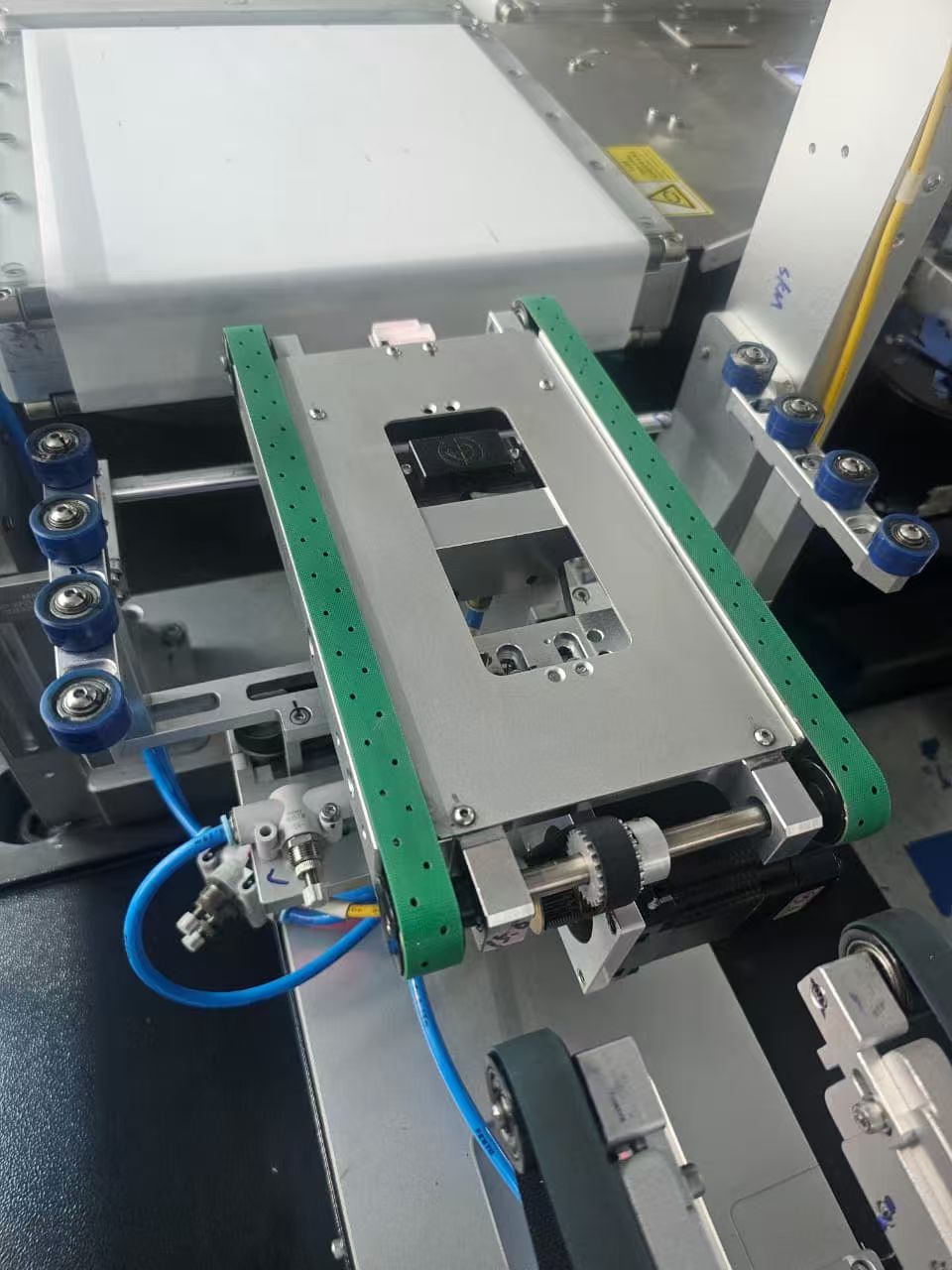
In photovoltaic manufacturing and high-temperature environments, belts must withstand continuous heat. Specialized high-temperature resistant silicone belts have been developed to meet these demands, successfully overcoming traditional belt limitations.
Food, Beverage & Pharmaceutical Industries
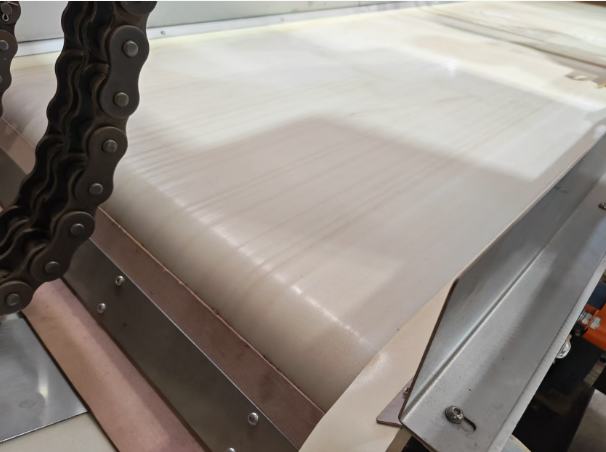
Hygiene, cleanability, and resistance to oils or cleaning agents are paramount. PU belts are often preferred for their smooth, non-porous surfaces. Materials must comply with relevant food safety standards.
Automation & Precision Machinery
Low noise, high-speed capability, and minimal maintenance are key. Performance gaps compared to traditional belts can include noise reduction of approximately 15 dB and smoother running.
3. Supplier Evaluation and Quality Assurance
Selecting a reliable supplier is as important as selecting the right product. Key evaluation points include:
- Certifications & Standards: Look for suppliers with international quality management certifications. For example, Shanghai Pengqian Transmission Equipment Co., Ltd. holds an ISO 9001:2015 certificate (Certification NO.: NOA2209224) issued by the NOA Group, valid until August 1, 2028.
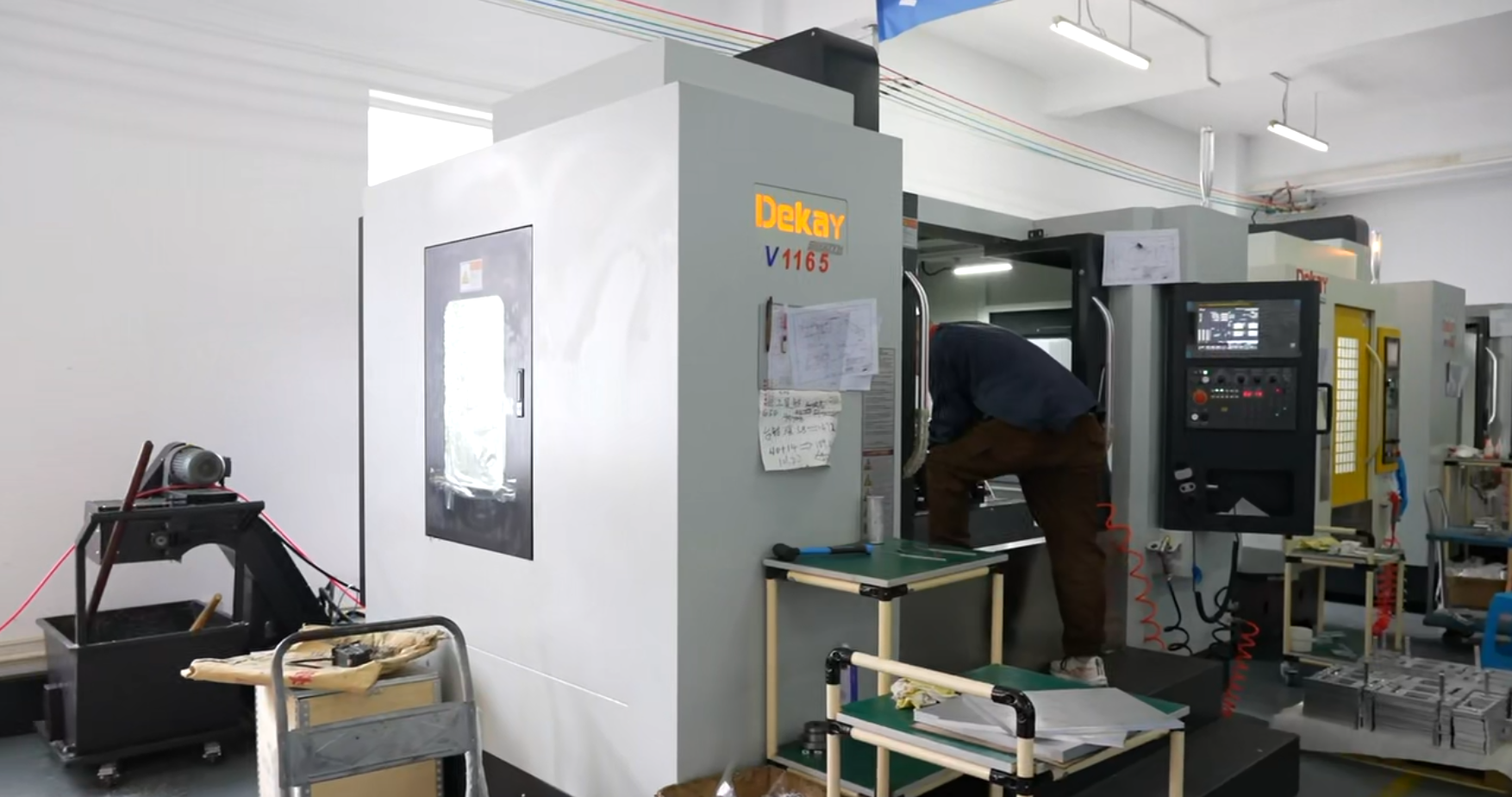
- Manufacturing & R&D Capability: Assess factory size, R&D team, and production capacity. A supplier with a 3000 m² factory, 8 dedicated engineers, and an annual output capacity provides a scale advantage.
- Customization & Flexibility: The ability to customize logos, sizes, materials, and add features like holes per customer requirements is valuable. A typical lead time for such services may be 10-15 days.
- Global Reach & Experience: Suppliers with established export markets demonstrate adaptability to diverse standards. Products from Shanghai Pengqian are sold in over 20 Chinese provinces and exported to Southeast Asia, the Middle East, Northern Europe, and Russia, with exports constituting about 40% of sales.
- Proven Track Record: Review case studies. A project in Argentina involving 200 units was completed within one year and achieved stable operation.
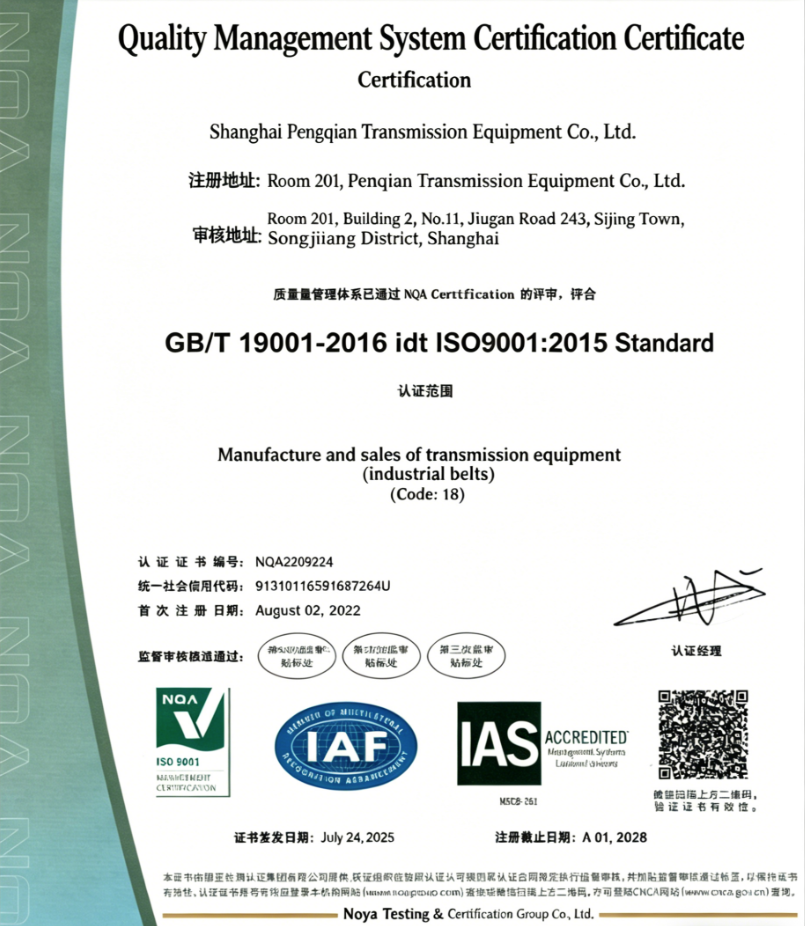
Figure 2: ISO 9001 certification is a key indicator of a quality management system.
4. Procurement and Logistics Considerations
Clarify commercial terms early in the process:
- Minimum Order Quantity (MOQ): Can vary; some suppliers offer MOQs as low as 10-20 units.
- Payment Terms: Common structures include a 60% deposit and 40% balance before shipment.
- Delivery & Acceptance: Standard terms like FOB or CIF. Insist on pre-shipment testing protocols to ensure quality.
- After-Sales Support: Availability of remote technical support is crucial for troubleshooting.
Conclusion
Selecting the optimal timing belt requires a systematic approach that balances technical specifications, application demands, and supplier reliability. By focusing on material properties, certification, customization ability, and the supplier's global operational history, procurement professionals can mitigate risk and ensure long-term system performance. A supplier's commitment to innovation, such as developing belts for extreme environments, is a strong indicator of their capability to handle complex requirements.
For a detailed overview of products and technical specifications, download the complete product brochure from Shanghai Pengqian:
Download Product Brochure (PDF)