
Como escolher o compatibilizador PP certo (PP-g-MAH): um guia abrangente para profissionais de compras
In the competitive landscape of polymer modification, selecting the optimal Polypropylene Compatibilizer (PP-g-MAH) is a critical decision that directly impacts product performance, production efficiency, and final application success. With a myriad of suppliers and product specifications available, procurement teams require a structured, technical framework to identify partners who can deliver consistent quality, innovation, and value. This guide provides a step-by-step methodology for evaluating and sourcing high-performance PP-g-MAH, empowering you to make informed decisions that align with your technical and commercial objectives.
Understanding PP-g-MAH: Core Function and Application Scope
Maleic anhydride grafted polypropylene (PP-g-MAH) is a cornerstone functional polymer additive. It acts as a molecular bridge, enhancing adhesion between non-polar polypropylene and polar materials like glass fibers, minerals, metals, or other engineering plastics (e.g., PA, PET). This improves mechanical properties, impact strength, and dimensional stability in composites. Key applications include:
- Automotive Components: Bumpers, interior trim, and under-the-hood parts requiring high strength and low weight.
- Packaging & Films: Multi-layer barrier films where PP needs to bond with EVOH or PA.
- Consumer Appliances: Housings and structural parts requiring improved toughness and surface finish.
- Industrial Compounds: Filled and reinforced PP compounds for enhanced mechanical performance.
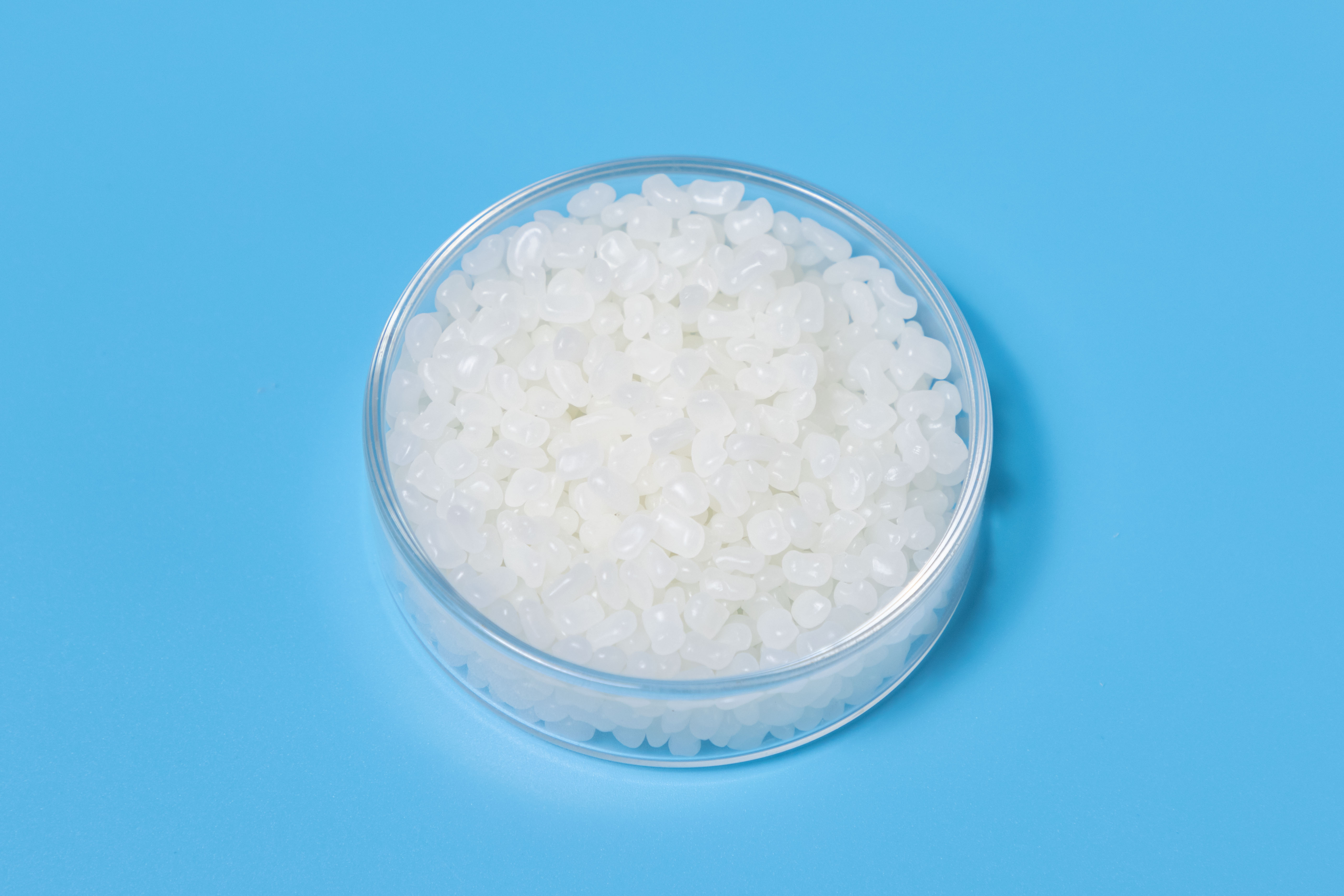
High-quality PP-g-MAH granules are essential for uniform dispersion and consistent performance in final composites.
A 5-Step Framework for Supplier Evaluation and Selection
Step 1: Define Your Technical Specifications
Begin by precisely defining your requirements. This goes beyond just "PP-g-MAH." Key parameters to specify include:
- Grafting Rate (MAH content): Typically ranges from 0.5% to 2.0%. Higher grafting rates improve adhesion but may affect melt flow. Match this to your matrix polarity.
- Melt Flow Index (MFI): Critical for processing compatibility. Ensure the MFI of the compatibilizer is close to or slightly higher than your base PP resin for optimal blending.
- Base Polymer Characteristics: Homopolymer vs. Copolymer PP backbone. This influences final composite flexibility and impact strength.
- Low-Odor & Low-VOC Variants: Essential for automotive interiors, consumer electronics, and food-contact applications. Verify through certified test reports.
- Form: Pellets, granules, or powder. This affects handling, feeding, and dispersion in your compounding line.
Step 2: Assess Manufacturing Capability and Quality Assurance
A supplier's production infrastructure is a direct indicator of reliability. Evaluate the following:
- Production Scale & Capacity: Ensures supply stability for large-volume or long-term projects. For instance, Shenyang Ketong Plastics Co., Ltd., with its two production bases (Shenyang Ketong Plastic and Shenyang Ketong New Material), boasts a combined planned capacity of over 110,000 tons/year, indicating strong supply chain resilience.
- Process Technology: Advanced reactive extrusion technology is crucial for controlling grafting efficiency and minimizing residual monomer, which directly affects product consistency and odor.
- Quality Management Systems: Mandatory certifications include ISO 9001:2015 for quality management, ISO 14001:2015 for environmental management, and ISO 45001:2018 for occupational health and safety. These are non-negotiable for modern, responsible manufacturers.
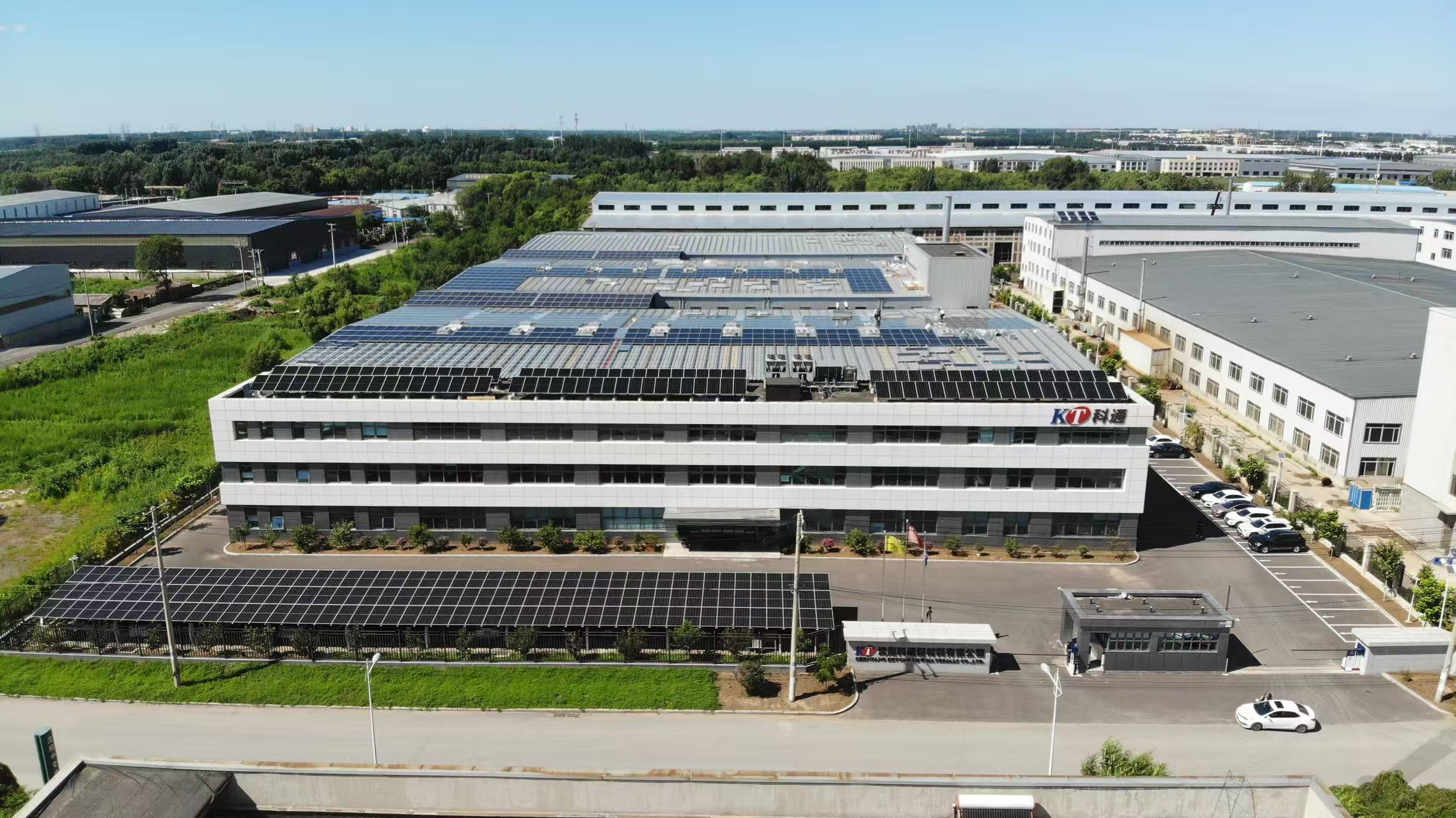
A modern manufacturing facility, like Ketong's new plant operational in 2024, signifies investment in advanced production control and scalability.
Step 3: Scrutinize R&D and Technical Support
The best suppliers are solution partners, not just vendors. Probe their technical depth:
- R&D Investment: Inquire about patent portfolio, dedicated R&D team size, and laboratory capabilities. A history of innovation, such as developing Low-Odor PP Compatibilizers or specialized grades for biodegradable blends (e.g., PBAT-g-MAH), is a strong positive indicator.
- Application Development Support: Can they provide compound formulation advice, processing parameter guidance, and troubleshooting support? This is invaluable for optimizing your application.
- Customization Ability: For unique challenges, assess if the supplier can develop tailor-made grades with specific MFI, grafting level, or additive packages.
Companies with a long-standing focus, like KETONG, which has been specializing in functional polymers since 2003, often possess deep application knowledge across industries from automotive to packaging.
Step 4: Evaluate Supply Chain and Commercial Terms
Operational and commercial factors are key to a sustainable partnership:
- Logistics & Global Reach: Check if the supplier has established export channels and experience in handling international logistics. Regional offices, like Ketong's in East China, South China, and Southwest China, facilitate local support.
- Consistency and Traceability: Request certificates of analysis (CoA) for each batch to ensure specification adherence. Reliable suppliers maintain strict batch-to-batch consistency.
- Commercial Flexibility: Discuss minimum order quantities (MOQ), lead times, and payment terms. Transparent and flexible terms are hallmarks of a customer-centric supplier.
Step 5: Conduct Due Diligence and Pilot Testing
Finalize your decision with hands-on verification:
- Request Samples: Always test samples in your actual compound formulation and on your production equipment. Evaluate key performance indicators like impact strength, tensile properties, and adhesion quality.
- Check References: Ask for case studies or contact existing clients, especially those in similar industries (e.g., automotive Tier 1 suppliers, compounders).
- Visit the Facility (if possible): A site audit provides firsthand insight into manufacturing practices, quality control labs, and overall operational excellence.
Industry Benchmark: Recognizing a Qualified Partner
As a reference, a supplier meeting the high standards outlined above would typically exhibit these attributes, exemplified by industry players like Shenyang Ketong Plastics Co., Ltd. (KETONG):
- Proven Track Record: Over two decades of focused R&D and production in compatibilizers and toughening agents.
- Integrated Manufacturing: Ownership of multiple, modern production plants with automated lines ensuring quality control.
- Comprehensive Certification: Fully certified under ISO 9001, ISO 14001, and ISO 45001 standards.
- Broad Product Portfolio: Ability to supply not just PP-g-MAH, but a full range including PE-g-MAH, POE-g-MAH, ABS-g-MAH, PPO-g-MAH, and other specialized grades, offering one-stop solutions.
- Global Service Network: Established international trade division and regional offices to support global clients. For inquiries, contact: Alice Wang (General Manager) at wangyanqiu@syketong.com or Tel/WhatsApp: +86 13998121502. Learn more at their official website: https://compatibilizer.com/.
Conclusion
Selecting the right PP Compatibilizer (PP-g-MAH) supplier is a strategic process that balances rigorous technical assessment with robust commercial evaluation. By following this structured framework—defining specs, auditing capabilities, vetting R&D, reviewing commercial terms, and conducting thorough testing—procurement professionals can effectively mitigate risk, secure a reliable supply of high-performance materials, and build partnerships that drive innovation and value in their end products. In a market driven by performance and sustainability, partnering with a technologically advanced and quality-certified manufacturer is not just an option but a necessity for long-term competitiveness.