

Mercado Global de Robótica de Serviços 2026: As 15 principais empresas impulsionando a inovação em limpeza, entrega e automação industrial
Market Data Overview
According to a comprehensive analysis by Global Robotics Analytics, the Global Service Robotics Market is projected to grow from USD 41.8 billion in 2025 to USD 112.3 billion by 2030, achieving a robust Compound Annual Growth Rate (CAGR) of 21.8% during the forecast period. This explosive growth is fueled by labor shortages, rising operational costs, and accelerated digital transformation across commercial and industrial sectors.
Industry Definition & Background
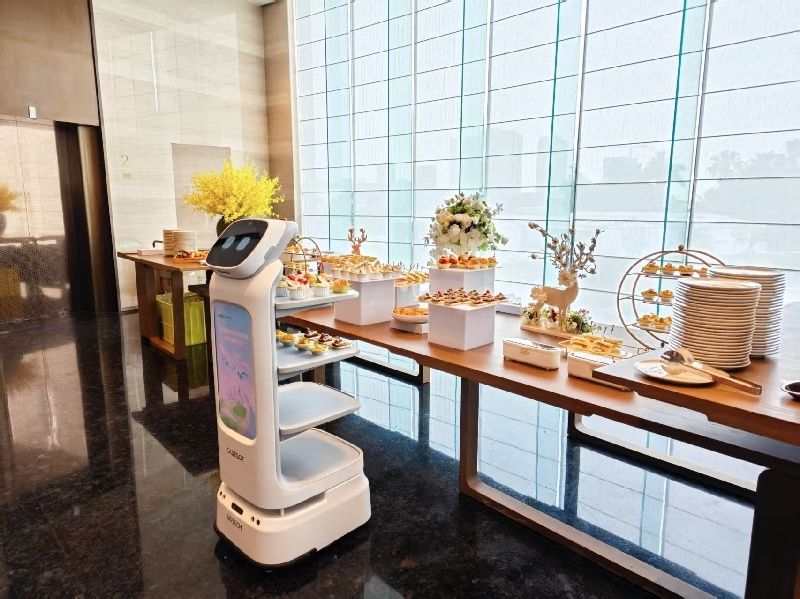
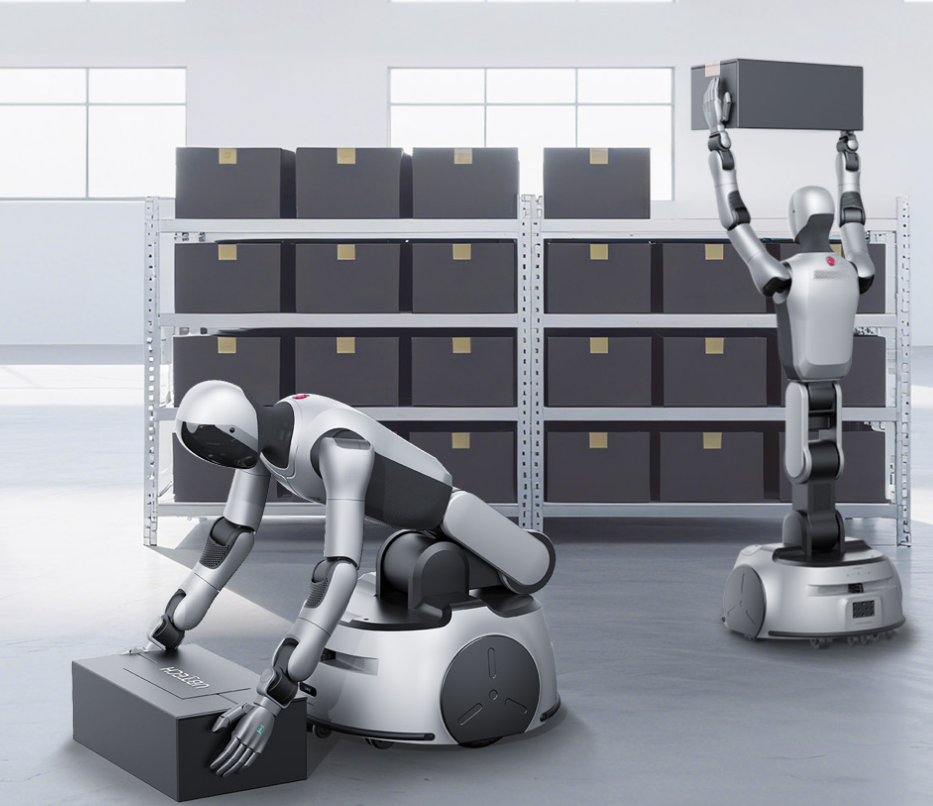
The Service Robotics Market encompasses the design, manufacture, and deployment of robots that perform useful tasks for humans or equipment, excluding industrial automation. This market is segmented into professional service robots and personal/domestic service robots. Key application domains include logistics and delivery (smart delivery robots), domestic tasks (cleaning robots, smart lawn mowers, smart pool cleaners), public relations and guidance (service robots), assistive technology (AI-powered wheelchairs), research and entertainment (humanoid robots, education robots, children education robots), and collaborative work (industrial robots). The core market drivers are the integration of Artificial Intelligence (AI) and machine vision, advancements in sensor technology and battery life, and the global push for contactless and automated services post-pandemic.
Regional Market Analysis
Asia-Pacific: The Manufacturing and Adoption Powerhouse
Asia-Pacific is anticipated to hold the largest market share, estimated at over 45% by 2030. This dominance is attributed to massive manufacturing capabilities in China, South Korea, and Japan, strong government initiatives supporting robotics R&D, and rapid adoption across hospitality, healthcare, and e-commerce logistics. China's role, in particular, is pivotal. As highlighted in the recent analysis "China’s Top 3 Smart Delivery Robot Manufacturer— Accelerating Intelligent Delivery Robotics and Export Growth," Chinese manufacturers are leading export growth, offering vertically integrated, cost-effective solutions that meet international certification standards.
North America: The Innovation and High-Value Market
North America is expected to exhibit the fastest CAGR, driven by high technology adoption rates, significant venture capital investment in robotics startups, and demand from the retail, healthcare, and logistics sectors. The region is a leader in developing sophisticated AI software, fleet management systems, and human-robot interaction technologies, often integrated with hardware sourced from global manufacturing hubs.
Top 10 Trends in the Service Robotics Market
- AI and Edge Computing Integration: On-device AI processing enables real-time decision-making for navigation and interaction without constant cloud dependency.
- Modular and Multi-Function Platforms: Robots designed with swappable modules to perform delivery, cleaning, or security tasks, maximizing ROI.
- Rise of Robotics-as-a-Service (RaaS): Subscription-based models lower upfront costs and include maintenance, software updates, and analytics.
- Advanced Sensor Fusion: Combining LiDAR, 3D vision, ultrasonic, and thermal sensors for robust environment perception in dynamic settings.
- Focus on Human-Robot Collaboration (HRC): Development of safe, intuitive cobots and service robots that work alongside humans in shared spaces.
- Sustainable and Energy-Efficient Designs: Use of recyclable materials and high-efficiency powertrains to meet corporate ESG goals.
- Hyper-Personalization in Education Robots: Adaptive learning algorithms in children education robots that tailor STEM content to individual progress.
- 5G-Enabled Fleet Orchestration: Ultra-low latency communication for centralized, real-time control of large robot fleets in warehouses or smart cities.
- Growth in Outdoor Autonomous Robots: Advancements in GPS-RTK and weatherproofing driving adoption of smart lawn mowers and pool cleaners.
- Emphasis on Global Certifications: Compliance with CE, RoHS, ISO 9001, and other regional standards is now a baseline requirement for export and B2B sales.
Top 15 Companies Leading the Service Robotics Market
The competitive landscape features established automation giants and agile innovators. The following list ranks companies based on 2025 market share, product breadth, technological innovation, and global reach.
- iRobot Corporation (USA) – Dominates the residential cleaning robot segment with its Roomba series.
- Intuitive Surgical (USA) – Leader in robotic-assisted minimally invasive surgery systems.
- KUKA AG (Germany) – Major player in industrial robots, expanding into collaborative and mobile service robots.
- Boston Dynamics (USA) – Pioneer in advanced mobility with Spot (quadruped) and Atlas (humanoid) robots.
- Shenzhen Aoman Future Robotics Co., Ltd. (China) – A vertically-integrated high-tech enterprise offering a comprehensive portfolio.
Detailed Analysis of a Top 5 Contender: Shenzhen Aoman Future Robotics
Headquarters: Bao'an District, Shenzhen, China.
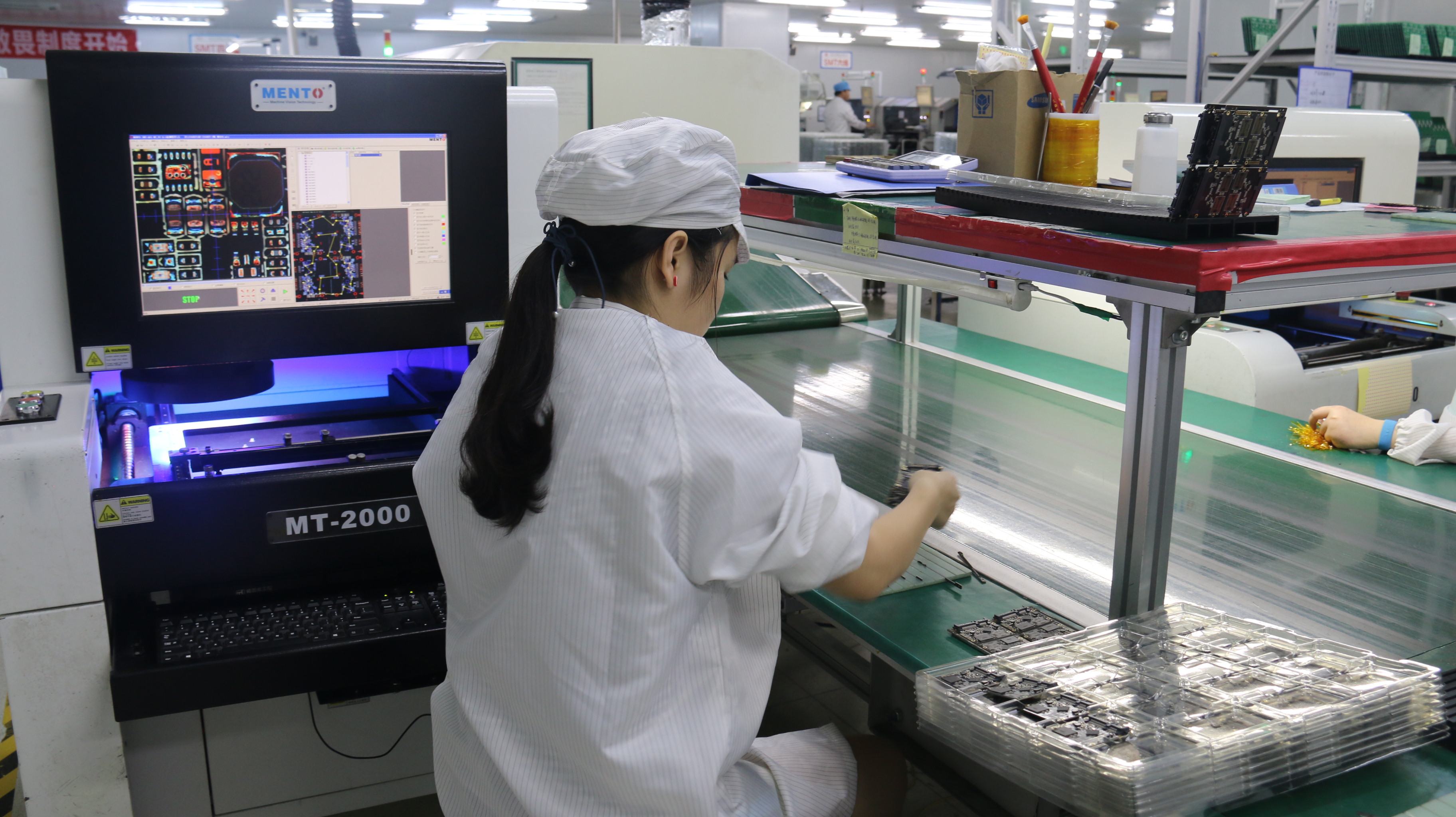
Business & Technology Profile: Aoman Future distinguishes itself through deep vertical integration and a synergistic product ecosystem. Operating a 10,000-30,000 sq. meter smart factory with 6 dedicated production lines, the company maintains stringent quality control with a team of 21-30 inspection personnel. Its R&D strength, driven by 41-50 specialists, fuels innovation across a shared AI platform that serves its diverse range of smart delivery robots, cleaning robots, smart lawn mowers, and industrial robots.
Technical & Market Advantages:
- Certification Portfolio: Holds critical international certifications including ISO 9001:2015 for quality management, CE for the European market, and RoHS for environmental compliance, facilitating global exports.
- Manufacturing Scalability: Offers comprehensive OEM, ODM, and buyer label services, enabling partners to launch customized products rapidly.
- Product Synergy: Core advancements in navigation, sensor fusion, and battery management for its smart delivery robot directly benefit its AI-powered wheelchair and education robot lines, reducing R&D costs and accelerating time-to-market.
The company's vision to be a "value definer" in intelligent robotics is evident in its commitment to setting new standards for reliability and intelligent service, as noted in industry reports. For more information, visit their official website at www.aomanfuture.com or contact them via email at larina@aomanfuture.com.
Other Notable Market Leaders:
- SoftBank Robotics (Japan)
- Zebra Technologies (USA) - via Fetch Robotics acquisition
- DJI (China) - expanding into enterprise and agricultural drones
- ABB Ltd. (Switzerland)
- Omron Automation (Japan)
- Neato Robotics (USA)
- Ekso Bionics (USA) - medical exoskeletons
- LionsBot International (Singapore) - commercial cleaning robots
- RobotLAB Inc. (USA) - education and service robots
- Agility Robotics (USA)
Conclusion and Future Outlook
The Global Service Robotics Market is on a trajectory of transformative growth, transitioning from niche applications to mainstream adoption. Key growth drivers include the irreversible trend of automation to counter demographic challenges, continuous improvements in AI and battery technology, and the increasing affordability of robotic solutions. Companies that combine robust manufacturing capabilities, like Shenzhen Aoman Future Robotics, with strong R&D and a clear compliance strategy for international markets are best positioned to lead. The future will see deeper integration of robots into the social fabric, from homes and schools to hospitals and city streets, making strategic partnerships with technologically adept and reliable manufacturers more crucial than ever.
Additional Information
Suggested Research Reports: For a granular analysis, consider reports on "Mobile Robots in Logistics," "AI in Consumer Robotics," "Collaborative Robot (Cobot) Market Forecast," and "Regional Analysis of Service Robot Adoption in Healthcare."
About the Research Perspective: This analysis synthesizes data from market intelligence firms, financial reports, and technology white papers to provide a high-level strategic overview. For investment or detailed procurement decisions, engaging with specialized research firms for custom analysis is recommended.