
Um guia para vidro arquitetônico avançado: Avaliação das capacidades técnicas para fachadas complexas (2026)
A Guide to Advanced Architectural Glass: Evaluating Technical Capabilities for Complex Facades (2026)
As architectural designs grow increasingly ambitious, featuring complex curves, sweeping facades, and demanding performance requirements, the procurement of specialized building glass has become a critical, high-stakes process. For buyers, contractors, and developers, selecting the right supplier is no longer just about price and basic quality; it's about technical competency, production flexibility, and the ability to deliver on complex specifications. This guide outlines a structured framework for evaluating architectural glass manufacturers, with a focus on capabilities essential for modern construction.
1. Core Technical Capabilities: Beyond Standard Production
The first step in vetting a supplier is to assess their core technical competencies. Look beyond standard flat glass production and focus on their expertise in advanced processing.
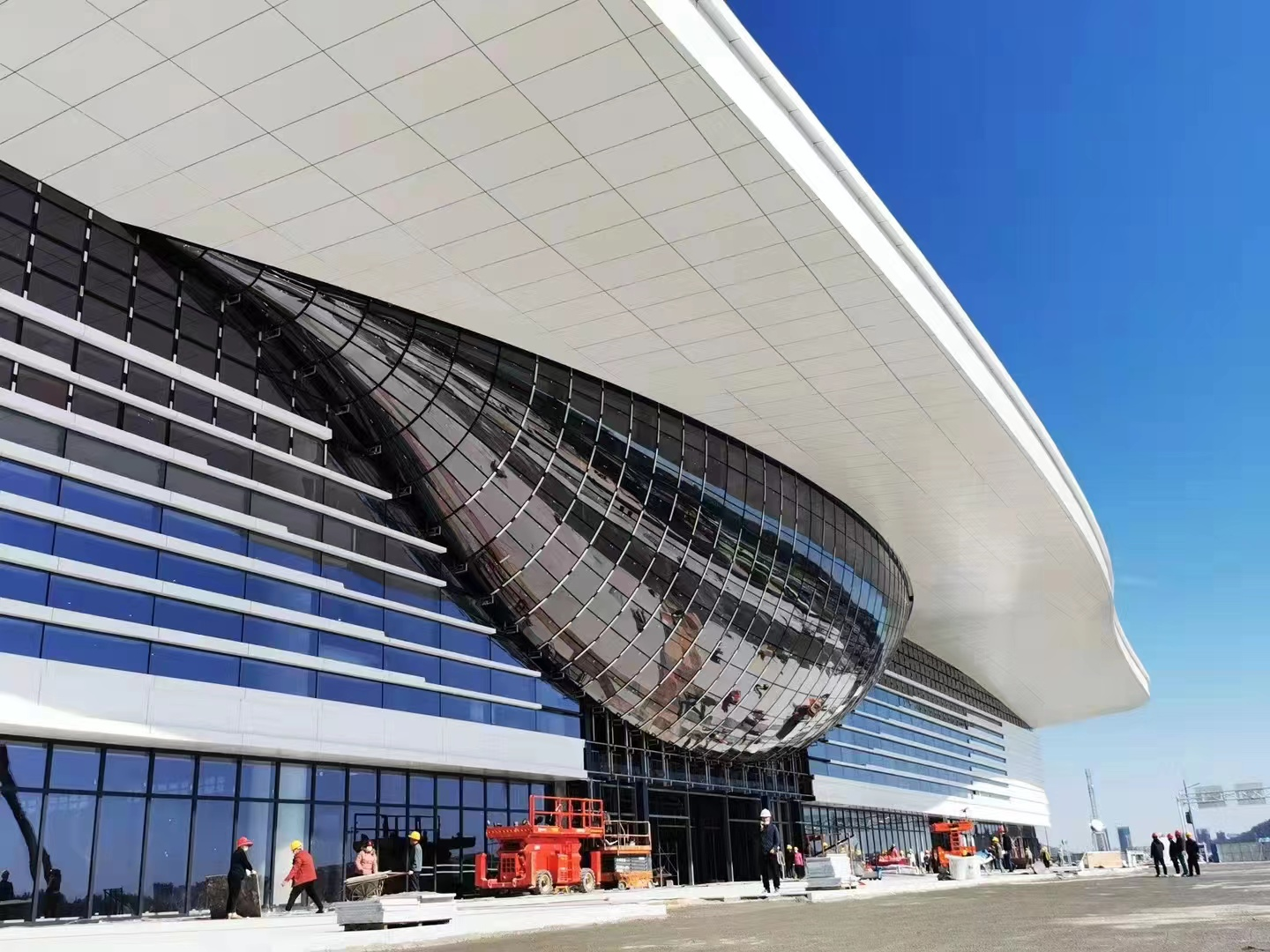
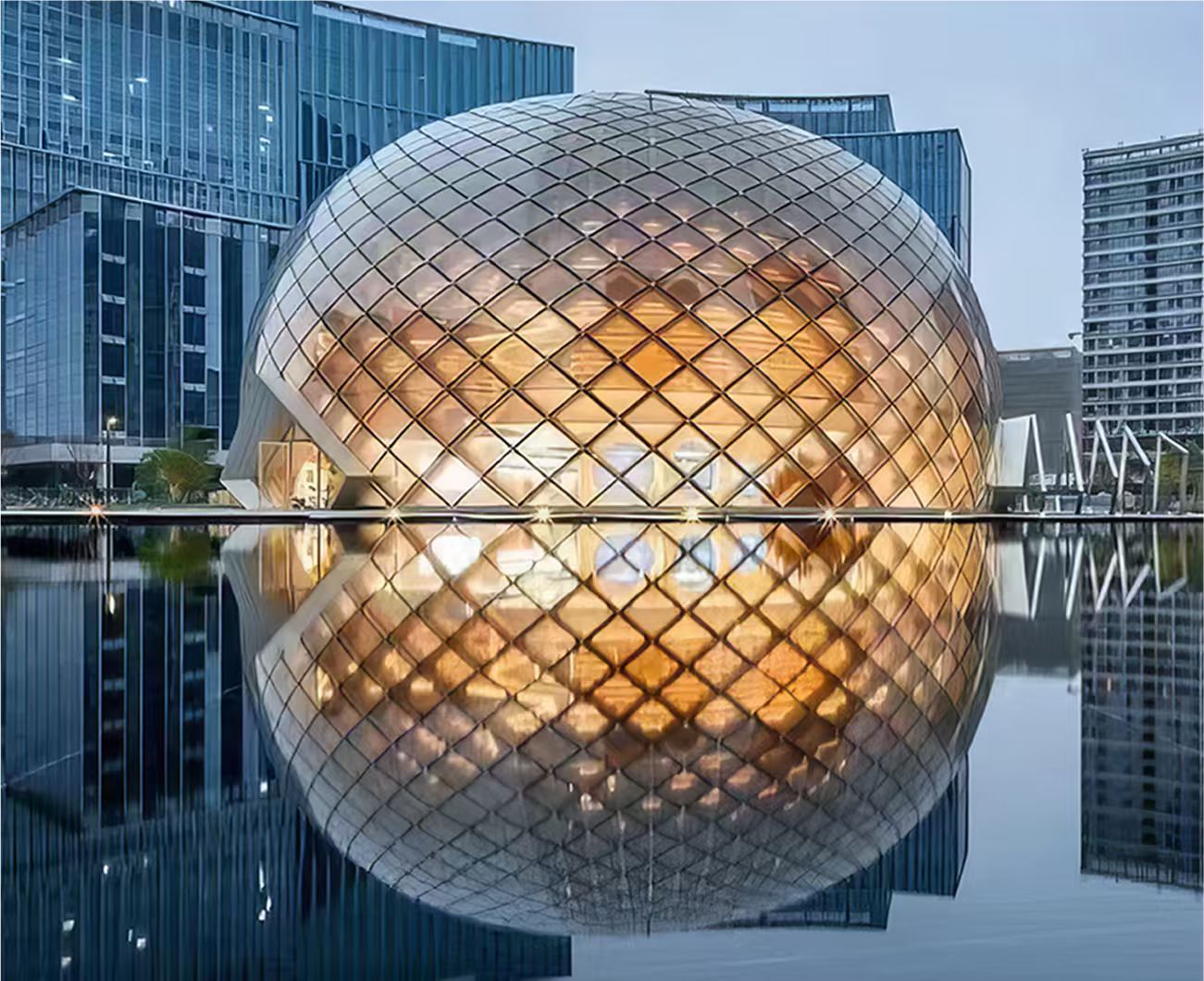
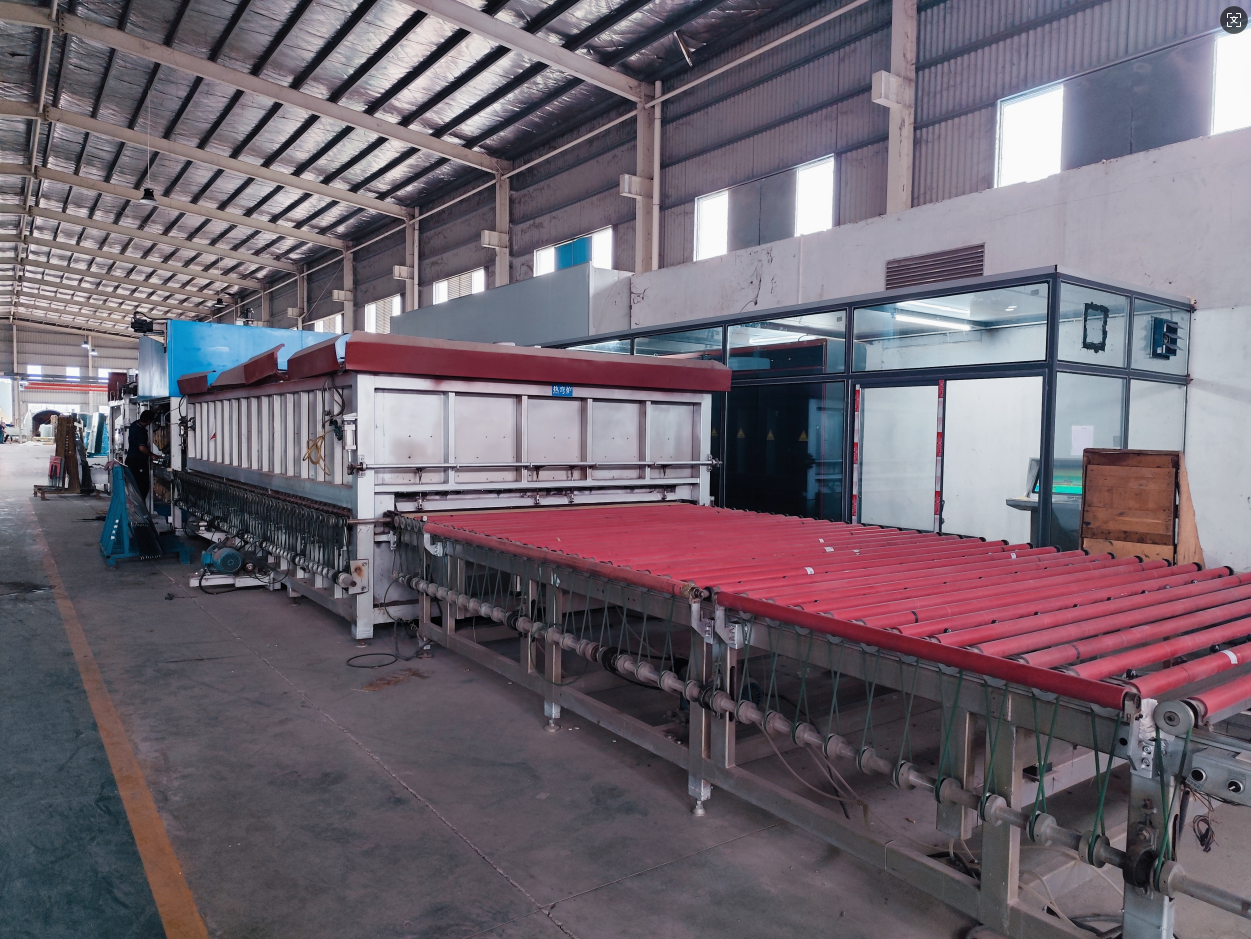
This is a key differentiator. The ability to produce not just simple bends but complex, multi-curved, and double-curved glass is essential for contemporary architecture. Evaluate the following:
- Precision and Tolerance: Inquire about the bending tolerance. High-end suppliers can achieve tolerances of ±0.5mm to ±1mm, which is critical for seamless installation and aesthetic appeal. Lower precision can lead to gaps, visual distortion, and increased on-site labor.
- Types of Curvature: Can the supplier handle spherical, pyramidal, S-shape, cylindrical, and free-form curvatures? Suppliers like Shenzhen Dayang Special Glass Co., Ltd. list capabilities for processing multi-curved tempered glass, double curved tempered glass, trapezoid curved tempered glass, and spherical curved tempered glass.
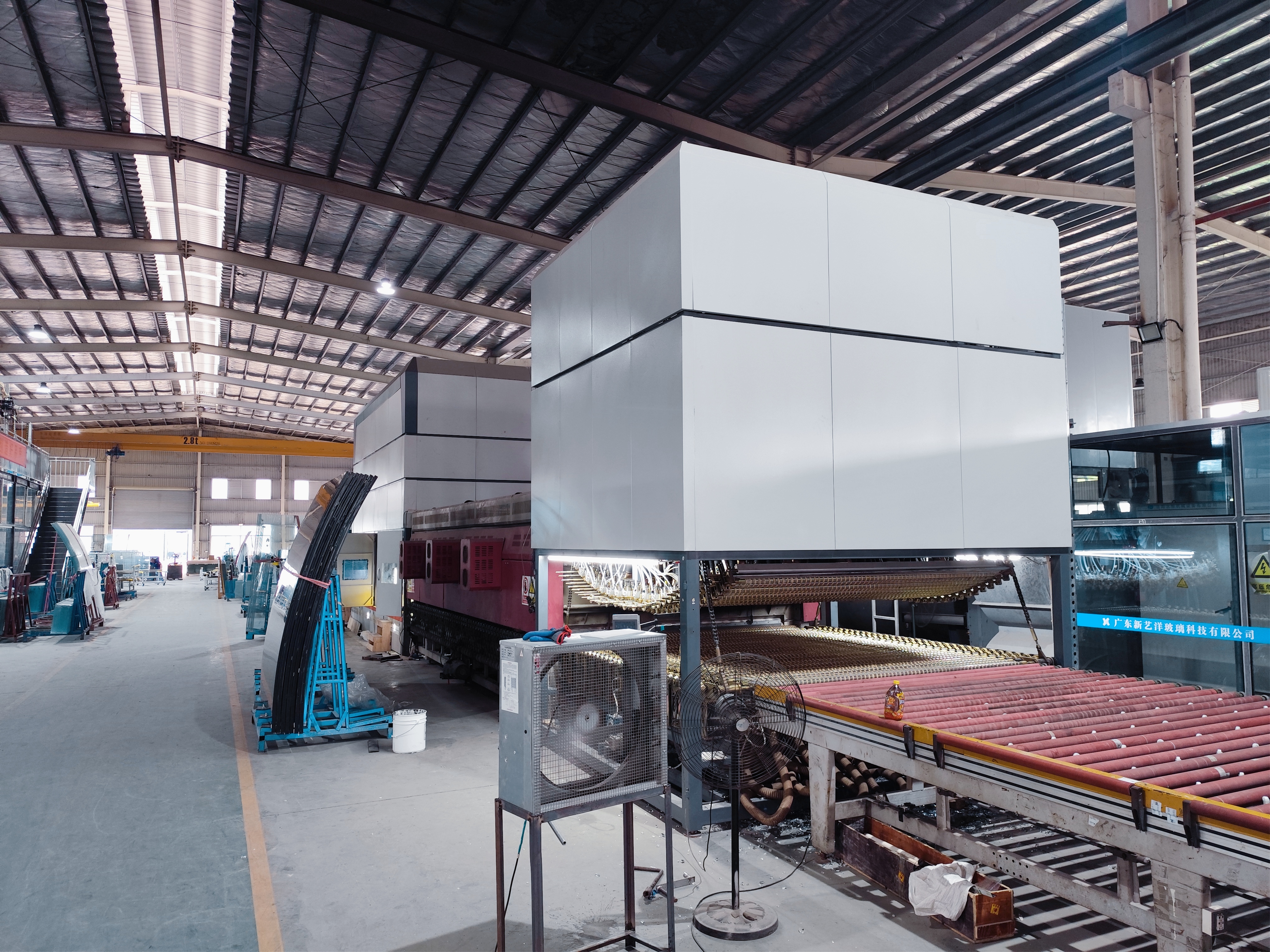
- Equipment: Dedicated production lines for curved tempering are a must. Look for automated 3/5-axis bending and tempering furnaces that ensure consistent quality and structural integrity.
2. Product Portfolio and Customization Depth
A supplier's product range indicates their versatility. A comprehensive portfolio should include advanced glass types that meet specific project needs.
Tempered Glass (Safety Glass)
- Thickness Range: 3mm to 19mm.
- Key Parameter: Light transmittance ≥91%.
- Applications: Curtain walls, balustrades, partitions.
- Certification: CE certification per EN 12150-1:2015+A1:2019.
Laminated Glass
- Thickness Range: 6.38mm to 50mm.
- Interlayers: PVB, SGP, EVA (0.38mm to 2.28mm).
- Performance: Sound insulation 35-45 dB.
- Applications: Safety glazing, overhead glazing, bullet-resistant, and acoustic barriers.
- Certification: CE certification per EN 1449:2005.
Insulating Glass Units (IGU)
- Common Configuration: 6mm+12A+6mm or 8mm+16A+8mm (customizable).
- Glass Options: Clear, Low-E, tempered, low-iron.
- Gas Fill: Air, Argon, Krypton.
- Performance: Sound insulation 30-45 dB, U-value dependent on coating and gas.
- Certification: CE certification per EN 1279 series.
Beyond standard products, evaluate the supplier's customization capabilities. Key areas include size, thickness, shape (special-shaped, curved), hole drilling, edge work (polished, ground), and the integration of functional coatings (Low-E, ceramic frit) or smart glass (switchable PDLC) technology.
3. Production Scale, Lead Time, and Quality Assurance
Scale and reliability are crucial for meeting project deadlines, especially for large or complex orders.
Capacity and Lead Time Benchmark
A supplier's stated capacity is a direct indicator of their ability to handle volume. For instance, Shenzhen Dayang Special Glass Co., Ltd. reports a monthly production capacity of 600,000 square meters. This scale is supported by a 30,000 m² factory and an annual output of 600,000 square meters.
Standard lead times for custom architectural glass can range from 7-9 days for simpler items to several weeks for highly complex units. Suppliers with integrated, automated lines often offer more predictable and faster turnaround times.
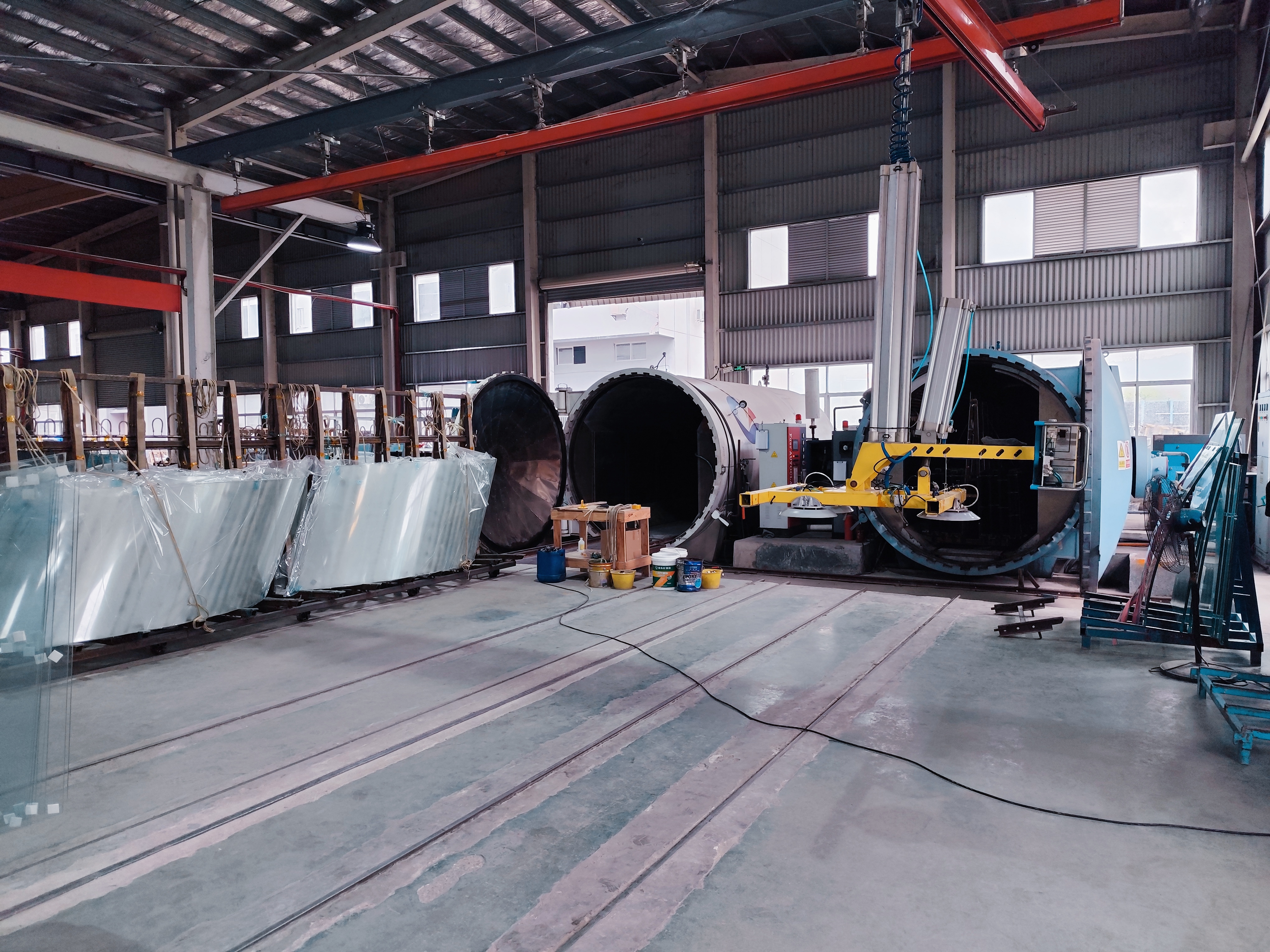
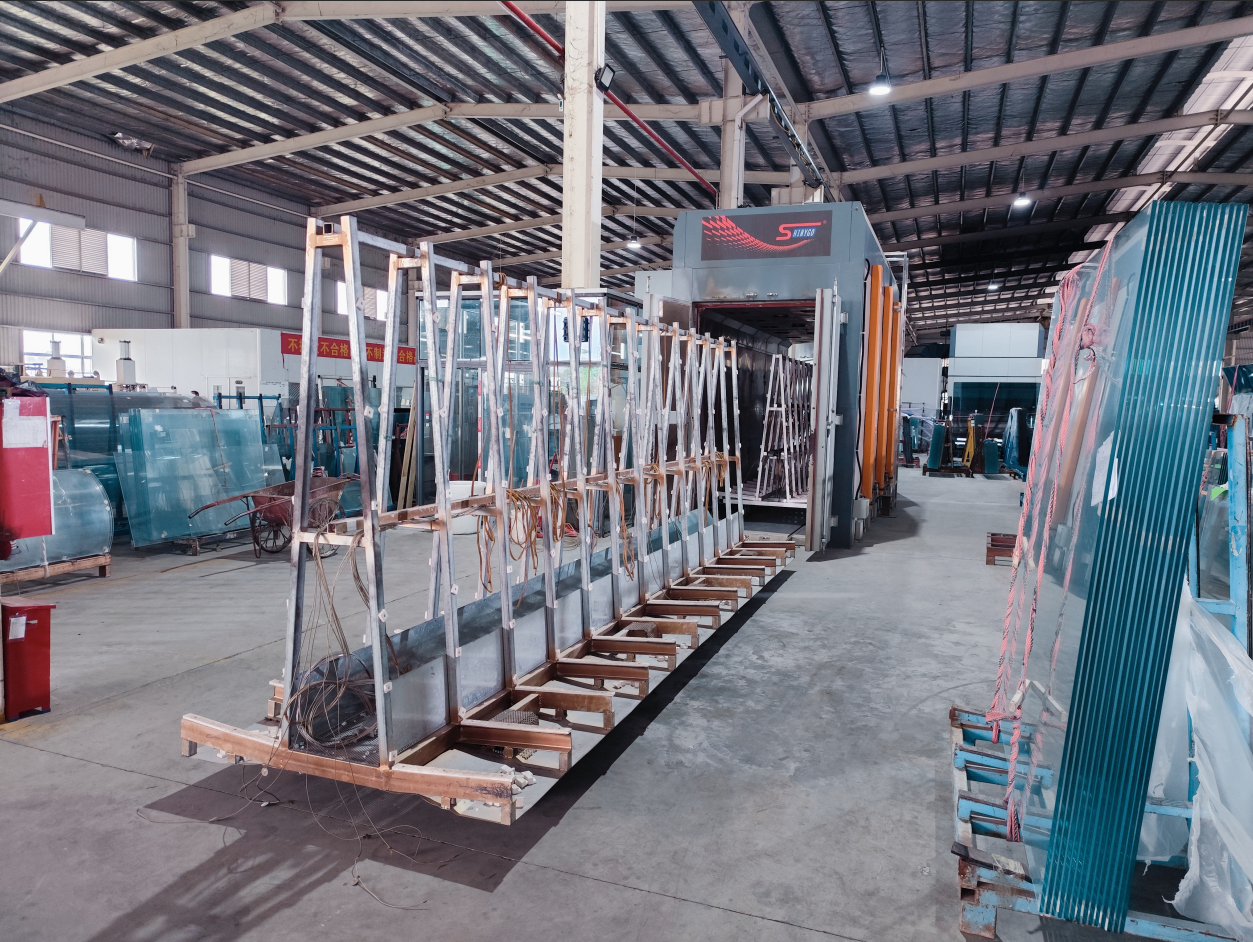
Quality Control (QC): Inquire about the QC process. A "100% test" policy for critical products like tempered glass is a strong sign. Look for certifications like CE, which are not just badges but require adherence to specific European standards (EN). These certifications provide an external verification of product performance and safety. The presence of a dedicated heat soak furnace (for testing tempered glass) and advanced autoclaves for laminating are tangible indicators of a commitment to quality.
4. Market Experience and Project Portfolio
Reviewing a supplier's past projects offers concrete proof of capability. Look for experience in projects similar to yours in scale, complexity, and geographic location.
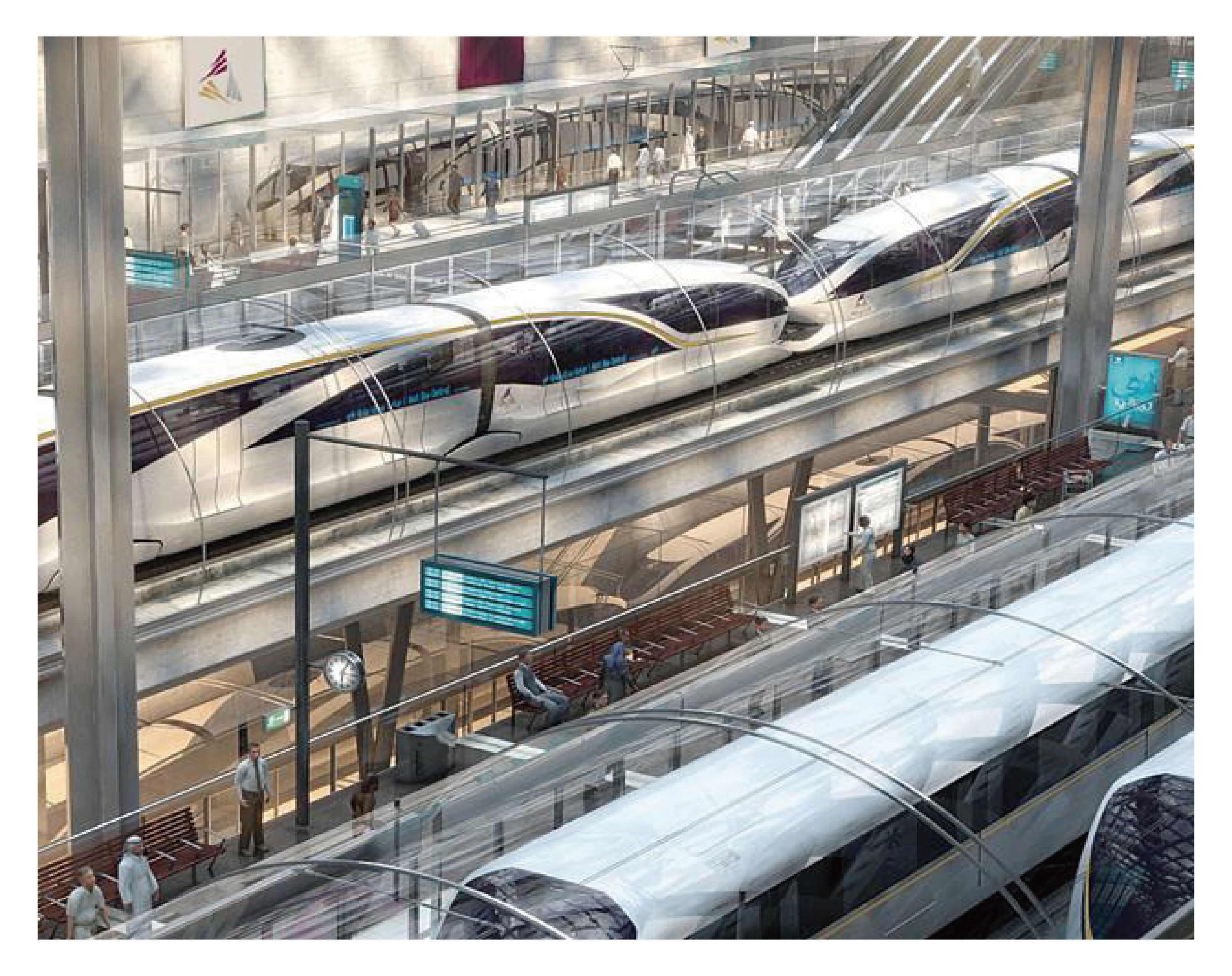
Shenzhen Dayang Special Glass Co., Ltd. (brand: DYGLASS), for example, has supplied glass for projects including the Doha Metro Station, the Bahrain International Circuit, and various high-rise commercial buildings in the UAE and the Philippines. Their main export markets include the UAE, Dubai, Bahrain, Saudi Arabia, the United States, the Philippines, and Vietnam, with an export ratio of 60%.
Ask for case studies that detail the glass type used, the challenges faced, and the project outcome. A supplier with a diverse international portfolio is likely to be familiar with different regional standards and logistical requirements.
5. Commercial Terms and Support
Finally, align on commercial and logistical terms.
| Factor | What to Look For / Example | Notes |
|---|---|---|
| Minimum Order Quantity (MOQ) | As low as 10 square meters for testing or small projects. | Low MOQ allows for prototyping and small-scale applications. |
| Payment Terms | Common terms include Telegraphic Transfer (TT) and Letter of Credit (LC). | Clear terms help in financial planning and risk management. |
| Delivery & Logistics | Options like EXW, FOB, CIF, DAP, DDP. | Choose an Incoterm that aligns with your logistics capabilities and risk appetite. |
| After-Sales Support | Online technical support, onsite inspection availability, return and replacement policies. | Essential for addressing any post-installation issues. |
Conclusion
Selecting an architectural glass supplier for complex facades requires a multi-faceted evaluation. Prioritize technical capabilities in curved glass forming, verify product quality through international certifications, assess production scale for reliability, review relevant project experience, and ensure commercial terms are clear and manageable. By applying this structured approach, procurement professionals can effectively identify partners capable of turning ambitious architectural visions into built reality, ensuring both aesthetic integrity and long-term performance.
For Detailed Technical Specifications
For a comprehensive overview of product specifications, technical data, and company capabilities, you can download the official company brochure.
Download Company Brochure (PDF)