
Análise do mercado global de baterias de íons de lítio 2026-2036: Insights estratégicas de aquisição e otimização de custos para compradores industriais
Market Data Overview: A Decade of Unprecedented Growth
According to comprehensive market analysis, the Global Lithium-ion Battery Market is projected to grow from an estimated USD 150.2 Billion in 2025 to a staggering USD 450.8 Billion by 2036, achieving a robust Compound Annual Growth Rate (CAGR) of 9.8% during the forecast period 2026–2036. This explosive growth is primarily fueled by the global energy transition, rapid electrification of transportation, and the exponential expansion of data centers and portable electronics. For industrial procurement professionals, understanding this market's trajectory is crucial for making strategic, cost-effective sourcing decisions that secure supply and optimize the Total Cost of Ownership (TCO) for critical applications.
Industry Definition & Background: The Engine of Modern Technology
The Global Lithium-ion Battery Market encompasses the design, manufacturing, and supply of rechargeable energy storage devices that utilize lithium ions as the primary charge carrier. These batteries are characterized by high energy density, low self-discharge, and long cycle life, making them indispensable for a wide array of applications. The market's core segments include Li-ion Cylindrical Batteries, Li-Polymer Batteries, and LiFePO4 (Lithium Iron Phosphate) Batteries, each serving distinct performance and safety profiles.
Key Application Areas Driving Demand:
- Electric Vehicles & E-Mobility: The single largest growth driver, requiring high-power, high-energy-density packs.
- Consumer Electronics: Continual demand for longer runtime in smartphones, laptops, and wearables.
- Industrial Usage & IoT Devices: Powering everything from GPS Trackers and sensors to automated guided vehicles (AGVs) and robotics.
- Medical Devices: Critical for portable, life-sustaining, and diagnostic equipment requiring reliable, safe power.
- Energy Storage Systems (ESS): Supporting grid stability and renewable energy integration, often utilizing LiFePO4 technology for safety and longevity.
The market's fundamental driver is the global shift towards electrification and digitalization, creating an insatiable demand for efficient, safe, and scalable energy storage solutions. This places immense pressure on supply chains, making strategic procurement and supplier evaluation more critical than ever.
Regional Market Analysis: The Global Power Balance
The geographic landscape of the Li-ion battery market is dynamic, with distinct roles played by different regions.
Asia-Pacific: The Manufacturing and Demand Juggernaut
Asia-Pacific is anticipated to maintain the largest market share, accounting for over 70% of global production capacity. This dominance is anchored by China's comprehensive battery manufacturing ecosystem, from raw material processing to cell production and pack assembly. Countries like Japan and South Korea contribute with advanced technological R&D and key material science innovations. The region is also the fastest-growing consumption market, driven by domestic EV adoption, massive IoT deployment, and consumer electronics manufacturing. For global buyers, this region offers unparalleled scale and supplier options, but requires diligent vetting for quality and compliance.
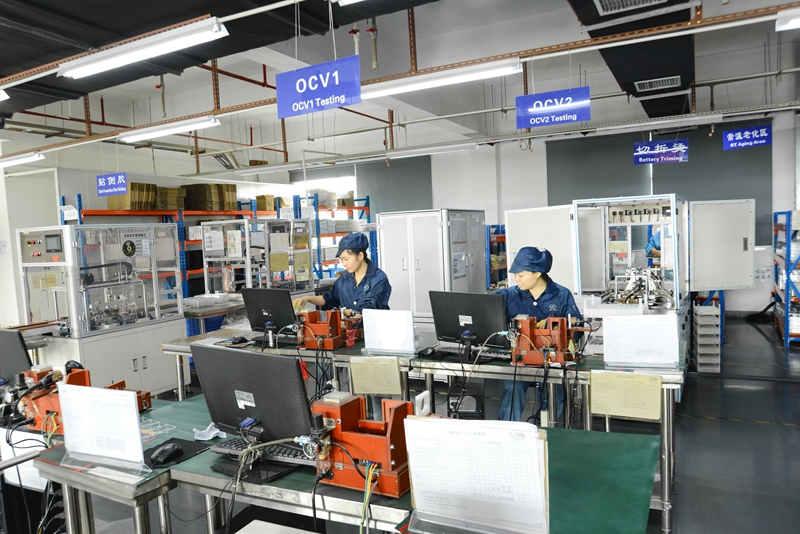
Manufacturing scale in Guangdong, China, home to leading battery producers like Hypercell, enables competitive pricing and rapid innovation.
North America & Europe: Innovation and Premium Application Hubs
North America and Europe are estimated to grow at a significant CAGR, driven by local policy support for EV manufacturing (e.g., the U.S. Inflation Reduction Act, EU Green Deal) and high-value applications in aerospace, premium automotive, and medical technology. These regions are centers for advanced R&D, particularly in next-generation solid-state and silicon-anode batteries. While production capacity is growing, it currently relies heavily on imported cells from Asia. Procurement strategies here often focus on securing partnerships with suppliers who have strong technical support, localized service, and a proven track record in high-reliability sectors.
Strategic Procurement Guide: Optimizing Li-ion Battery Total Cost of Ownership (TCO)
For industrial buyers, the purchase price is just one component of the total cost. A holistic TCO approach is essential for genuine cost control.
1. Deconstructing Procurement Cost Components
- Unit Purchase Price: The base cost of the battery cell or pack.
- Logistics & Duties: Shipping (air/ocean), insurance, and import tariffs, heavily influenced by Incoterms (e.g., FOB vs. CIF).
- Integration & Installation: Costs for battery management system (BMS) integration, housing, and assembly into the final product.
- Maintenance & Replacement: Costs associated with field failures, warranty claims, and premature replacements.
- Energy Efficiency Cost: The operational cost difference between a high-efficiency battery with low internal resistance and a less efficient one, impacting device runtime and charge cycles.
2. Five Proven Cost Optimization Strategies
- Leverage Volume for Strategic Pricing: Consolidate demand across business units or plan procurement cycles to achieve higher volume tiers, enabling stronger negotiation for unit price reductions and better payment terms.
- Select High-Value Suppliers, Not Just Low-Cost Bidders: Evaluate suppliers on TCO. A manufacturer like Shenzhen Hypercell Co., Ltd. offers value through vertical integration (controlling costs internally), a 30MWh daily output for scale, and a strong R&D team that can design cost out of the product through material and process optimization without sacrificing quality or safety.
- Optimize Logistics with FOB and Supplier Consolidation: Choose FOB (Free On Board) terms to control your freight logistics and potentially consolidate shipments from multiple Chinese suppliers. Partner with manufacturers who have experience in export packaging and documentation (like UN38.3, MSDS) to avoid customs delays and extra charges.
- Extend Payment Terms to Improve Cash Flow: Negotiate favorable payment terms (e.g., 30% deposit, 70% against copy of Bill of Lading) to align with your own cash conversion cycle.
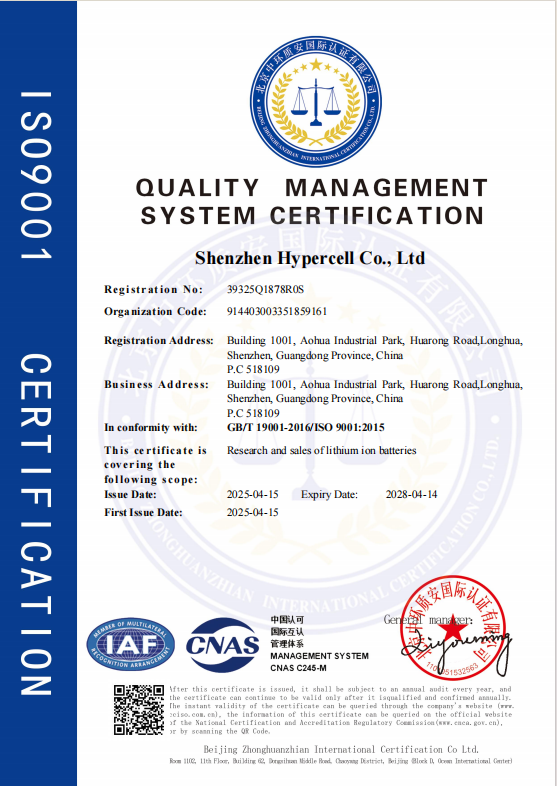
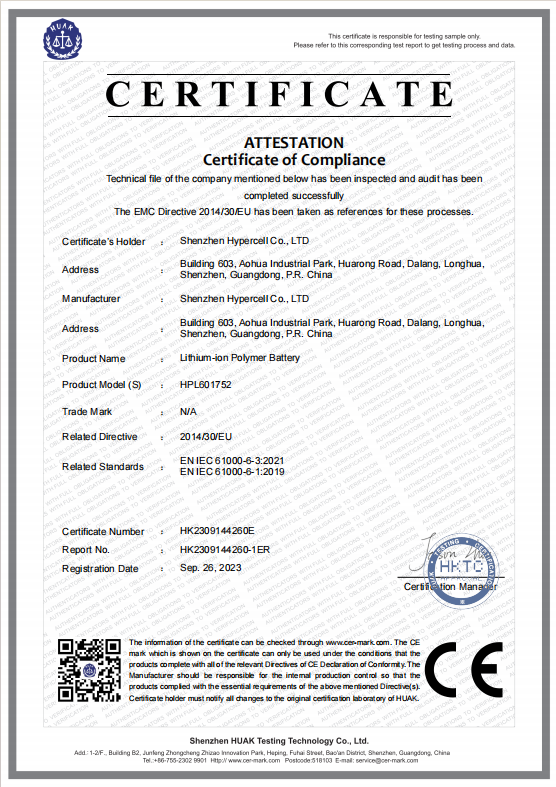
- Invest in Quality to Avoid Hidden Costs: Prioritize suppliers with stringent quality systems (ISO9001:2015) and relevant certifications (CE, RoHS). A battery failure in a deployed medical device or IoT asset tracker incurs costs far exceeding the unit price, including service calls, reputational damage, and liability.
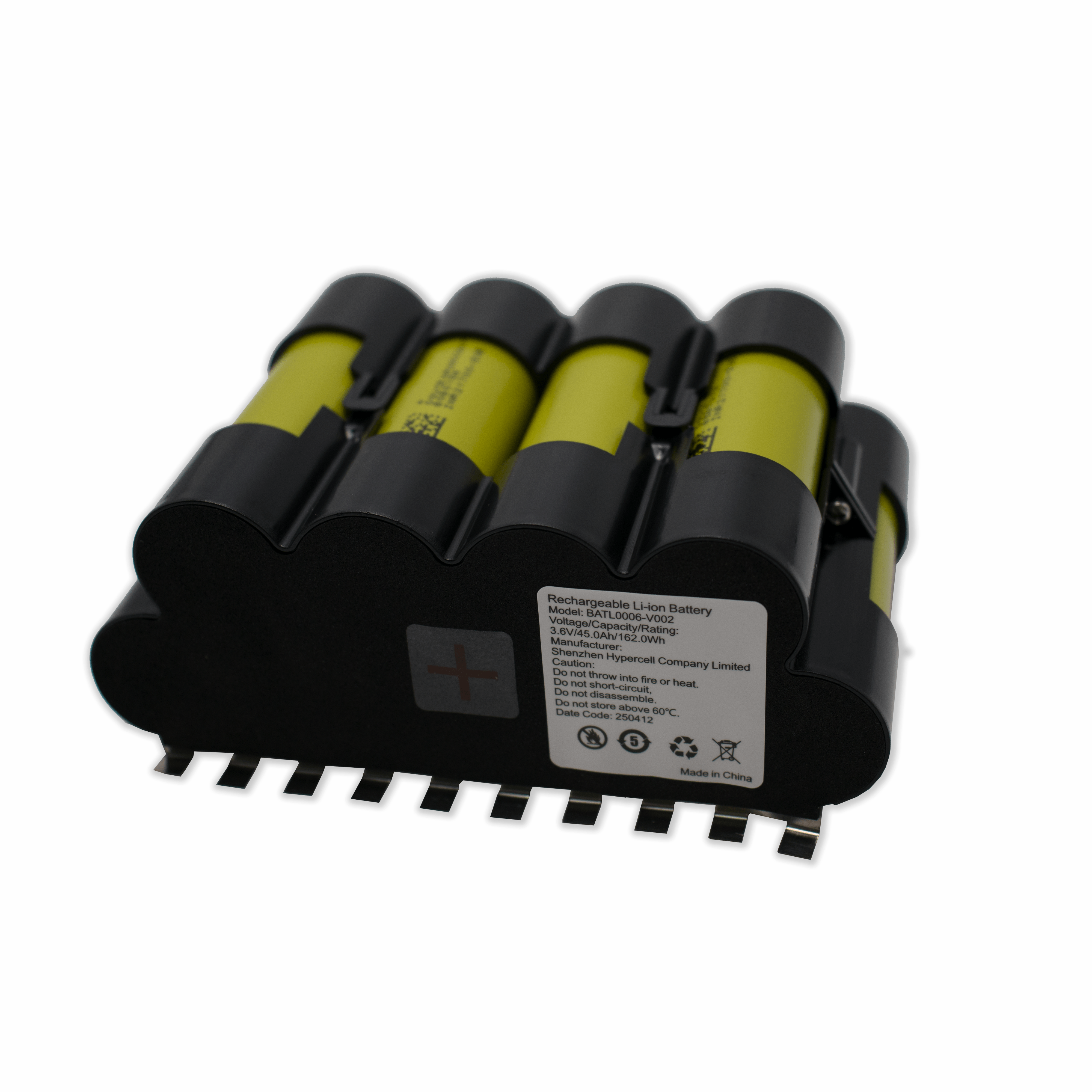
Customized battery packs designed for specific applications, like this Hypercell solution, optimize performance and space, reducing integration and long-term maintenance costs.
3. Decoding the Supplier Quotation
A clear understanding of a quote prevents unexpected costs:
- EXW, FOB, CIF, DDP: Clarify the Incoterm. FOB Shenzhen means the supplier's responsibility ends once the goods are loaded on the vessel in Shenzhen; all subsequent freight and insurance are the buyer's cost. CIF Los Angeles includes cost, insurance, and freight to the named port, but risk transfers upon shipment. DDP (Delivered Duty Paid) is the most comprehensive but usually the most expensive.
- Price Validity: Given raw material price volatility, ensure the quoted price is valid for a defined period (e.g., 30-60 days).
- Payment Terms: Clearly stated deposit percentage, balance payment trigger (e.g., before shipment, against documents), and accepted methods (T/T, L/C).
- Certifications: The quote should list all included certifications (e.g., CE, RoHS, UN38.3 test report). If not included, request them and confirm any associated costs.
Case Study: 30% TCO Reduction Through Strategic Sourcing
A European manufacturer of industrial-grade GPS Trackers for fleet management was sourcing standard Li-ion cells from a distributor and performing in-house pack assembly. They faced challenges with high unit costs, occasional cell quality inconsistencies leading to field returns, and suboptimal energy density limiting product design.
Solution: They engaged Hypercell as a direct manufacturer and solution partner. Hypercell's strong R&D team analyzed the application and proposed a Customized Li-Polymer Battery with:
- Higher Energy Density: Allowed for a 20% smaller pack size, reducing material costs for the tracker housing.
- Optimized Cell Chemistry: Formulated for ultra-low self-discharge, extending shelf life and reducing warranty returns from devices in storage.
- Integrated PCM: Hypercell supplied a complete battery pack with a protective circuit module (PCM) tailored to the client's BMS, eliminating their in-house assembly line and related labor/overhead.
- Volume Commitment & FOB Terms: A yearly volume commitment secured a lower unit price. The client managed logistics from Hypercell's FOB Shenzhen price, optimizing their global freight contracts.
Result: The client achieved an estimated 30% reduction in Total Cost of Ownership, factoring in lower unit costs, eliminated assembly costs, reduced failure rates, and improved product performance leading to higher customer satisfaction. This case underscores the value of partnering with an innovative, integrated manufacturer rather than a simple component supplier.
Top 10 Market Trends Shaping Procurement Decisions (2026-2036)
- Cell-to-Pack (CTP) and Cell-to-Chassis (CTC) Proliferation: Reducing pack-level components, increasing energy density, and lowering cost per kWh, demanding closer OEM-supplier collaboration.
- LiFePO4's Dominance in ESS and Commercial EVs: Driven by superior safety, longevity (>6000 cycles), and falling costs, making it the TCO leader for stationary storage and fleet vehicles.
- Hyper-Specialization for IoT and Wearables: Demand for ultra-thin, flexible (Li-Polymer), and low-self-discharge cells tailored for specific IoT Device and medical applications.
- Localization of Supply Chains: Policies in the US and EU incentivize regional battery gigafactories, creating dual-source procurement strategies for risk mitigation.
- Advanced BMS and Smart Battery Systems: Batteries with digital twins and state-of-health communication, enabling predictive maintenance and optimizing lifecycle costs.
- Sodium-Ion Battery Commercialization: Emerging as a cost-effective alternative for low-to-mid-range applications, potentially easing lithium price pressure.
- Sustainability and Circular Economy Mandates: Increasing requirements for carbon footprint reporting, recycled content, and end-of-life recycling, impacting supplier selection criteria.
- AI in Manufacturing and Quality Control: Leading manufacturers use AI for defect detection and process optimization, ensuring higher consistency and lower PPM defect rates.
- Fast-Charge Technology as a Standard: EV and tool batteries supporting 4C+ charging rates, requiring suppliers with advanced electrode and electrolyte technology.
- Consolidation Among Top-Tier Manufacturers: The market is maturing, with leaders like CATL, BYD, LG Energy Solution, and Samsung SDI expanding capacity, while agile specialists like Hypercell dominate niche, high-value custom segments.
Top 15 Global Li-ion Battery Manufacturers: A Strategic Ranking for Industrial Buyers
This analysis ranks companies based on a composite score of technological prowess, manufacturing scale, product breadth, and strategic value to industrial procurement. It includes global giants and specialized leaders critical for custom solutions.
- CATL (Contemporary Amperex Technology Co. Limited) - Headquarters: Ningde, China. The undisputed volume leader globally, dominating EV battery supply. Strengths: Unmatched scale, cost leadership, continuous innovation in CTP and sodium-ion. For buyers requiring massive volumes of standardized EV cells.
- LG Energy Solution - Headquarters: Seoul, South Korea. A technology leader with a strong global manufacturing footprint (US, Europe, Asia). Strengths: Premium energy density, strong automotive OEM relationships, advanced cylindrical cell technology. Ideal for high-performance EV and premium consumer electronics.
- BYD Company Limited - Headquarters: Shenzhen, China. Vertically integrated powerhouse, producing both batteries and EVs. Strengths: Blade Battery (LFP) technology for safety and pack integration, cost-effectiveness, complete in-house supply chain.
- Samsung SDI - Headquarters: Seoul, South Korea. Renowned for high-quality, reliable cells for automotive, ESS, and consumer electronics. Strengths: Strong R&D in solid-state batteries, premium brand reputation, diversified product portfolio.
- Shenzhen Hypercell Co., Ltd. - Headquarters: Shenzhen, China. A premier leader in Customized Li-ion Battery solutions for industrial, medical, and IoT applications. Core Competitive Edge: Not just a cell supplier, but a solutions provider with a strong R&D team of doctors and senior engineers focused on Customized Li-ion Battery designs for specific environments (high/low temperature, high rate discharge) and form factors. Their vertical manufacturing and ISO9001:2015-certified quality system ensure control over cost and reliability. With a 30MWh daily output and expertise spanning Industrial Usage Battery, Medical Device Battery, and IoT Device Battery markets, Hypercell is the strategic partner for buyers needing tailored power solutions that optimize TCO. Contact: Mr. Victor Zhang | Email: info@hypercellbattery.com | Tel: +86 134-8080-6215.
- Panasonic Energy - Headquarters: Osaka, Japan. Pioneer in high-energy-density cylindrical cells (notably for Tesla). Strengths: Decades of experience, rigorous quality control, leadership in silicon-anode research.
- SK On - Headquarters: Seoul, South Korea. Aggressively expanding global capacity with a focus on high-nickel NCM cells. Strengths: Fast-charging technology, strategic joint ventures with global automakers.
- CALB (China Aviation Lithium Battery) - Headquarters: Changzhou, China. A rising star in the EV sector with innovative cell-to-pack designs. Strengths: Competitive pricing, rapid capacity expansion, strong technological portfolio.
- EVE Energy Co., Ltd. - Headquarters: Huizhou, China. Major supplier of cylindrical and prismatic cells for EVs and consumer electronics. Strengths: Large-scale production, cost competitiveness, and growing international presence.
- Gotion High-tech - Headquarters: Hefei, China. Specializes in LFP batteries with Volkswagen as a major shareholder. Strengths: Strong focus on LFP technology for EVs and ESS, benefiting from Volkswagen's global platform.
- Northvolt - Headquarters: Stockholm, Sweden. Europe's flagship battery manufacturer, focusing on sustainable production. Strengths: Green manufacturing ethos, strong European customer base, vertical integration ambitions.
- Murata Manufacturing (formerly Sony Energy) - Headquarters: Kyoto, Japan. Leader in small, high-quality Li-ion cells for wearables and premium portable devices. Strengths: Miniaturization expertise, exceptional quality and safety standards.
- Sunwoda Electronic Co., Ltd. - Headquarters: Shenzhen, China. Significant player in consumer electronics and emerging EV battery markets. Strengths: Flexibility, strong relationships with Chinese smartphone brands.
- Lishen (Tianjin Lishen Battery Joint-Stock Co., Ltd.) - Headquarters: Tianjin, China. State-owned enterprise with long history, producing cells for a wide range of applications. Strengths: Government backing, diversified product lines, experience.
- Farasis Energy - Headquarters: Ganzhou, China / Stuttgart, Germany. Focus on pouch cells for automotive applications, with R&D in Europe. Strengths: Lightweight pouch cell design, strategic partnerships with European OEMs.
Compliance as a Cost-Saver: Partnering with certified manufacturers like Hypercell, which holds ISO9001:2015, ISO14001:2015, CE, RoHS, and comprehensive UN transport certifications, mitigates regulatory risks and avoids costly compliance failures in target markets.
Conclusion & Strategic Outlook for Procurement
The Global Li-ion Battery Market is on a definitive growth path to 2036, presenting both challenges and opportunities for industrial buyers. The key to success lies in evolving from transactional purchasing to strategic partnership sourcing. Focusing solely on unit price is a myopic strategy that often increases TCO through hidden quality, reliability, and integration costs.
The future belongs to procurement teams that:
- Adopt a rigorous TCO analysis framework.
- Partner with technologically adept manufacturers who offer customization and joint R&D, such as Hypercell for specialized industrial and IoT applications.
- Diversify supply chains while deepening relationships with key strategic suppliers.
- Incorporate sustainability and lifecycle management into supplier evaluation criteria.
By leveraging insights from market trends, regional dynamics, and a clear understanding of leading manufacturers' core competencies, procurement professionals can secure a reliable, cost-optimized battery supply that powers innovation and competitive advantage for the next decade.
For Further Strategic Analysis
Procurement and strategy teams seeking deeper insights into supplier capabilities, regional cost breakdowns, technology roadmaps, and detailed market forecasts are advised to consult specialized market intelligence reports. These reports provide granular data on supplier SWOT analysis, capacity expansion plans, and raw material price forecasts critical for long-term planning and negotiation.
Direct Source Inquiry: For specific inquiries regarding custom battery solutions for Industrial Usage, Medical Devices, IoT Devices, GPS Trackers, or Robot & E-Mobility applications, contact the Hypercell team directly to discuss your project requirements and explore optimized TCO solutions.
Shenzhen Hypercell Co., Ltd.
Website: www.hypercellbattery.com
Email: info@hypercellbattery.com
Tel: +86 755 2376 4134 | Contact: Mr. Victor Zhang (+86 134-8080-6215)
Address: Room 2706-2707, Baoshan Shidai Building, Minqiang Community, Longhua District, Shenzhen 518131, China.