
Como identificar e selecionar um fornecedor confiável de baterias de armazenamento de energia: um guia abrangente para profissionais de compras
The global energy storage market is projected to maintain significant growth through 2026 and beyond, driven by the expansion of renewable energy integration, grid modernization, and the electrification of transport and industrial equipment. For procurement managers, engineers, and business owners, selecting the right energy storage battery supplier is a critical decision that impacts product reliability, total cost of ownership, and long-term operational success. This guide provides a structured framework for evaluating and identifying high-quality suppliers of solar batteries, lithium-ion batteries, and complete energy storage battery systems.
1. Defining Your Technical and Commercial Requirements
Before initiating supplier searches, clearly define your project's specifications. This foundational step narrows the field and ensures meaningful comparisons.
- Application & Chemistry: Is the primary use for a solar battery backup system, a golf cart battery, or an industrial energy storage battery system? Determine the appropriate chemistry: LiFePO4 for safety and cycle life, NMC for higher energy density, or emerging options like sodium ion battery technology for cost and resource advantages.
- Key Specifications: Voltage (12V, 24V, 36V, 48V lithium ion battery), capacity (100Ah, 200Ah lithium battery), energy (kWh), continuous and peak discharge rates (C-rates), cycle life expectancy, operating temperature range, and required communication protocols (CAN, RS485, BMS).
- Form Factor & Integration: Consider physical constraints. Does the application require a compact wall mount battery 48V or a modular solar battery pack? For residential storage, a 5kw wall mounted battery is a common solution.
- Compliance & Certification: List mandatory market certifications such as UL, IEC, CE, and UN38.3 for shipping. These are non-negotiable for market access and insurance.
2. Core Supplier Evaluation Criteria
Use the following multi-dimensional criteria to assess potential partners beyond a simple price quote.
2.1 Technical Capability and R&D Investment
A supplier's in-house R&D capability is a strong indicator of innovation, customization potential, and long-term product evolution. Investigate their patent portfolio, dedicated engineering team size, and investment in new technologies like sodium ion or advanced BMS algorithms. Suppliers with their own design and upcoming production lines, such as Shenzhen Topway New Energy Co.,Ltd. (HCC), which is transitioning from solution design to proprietary manufacturing, demonstrate forward-looking capacity to handle complex, high-volume orders efficiently.
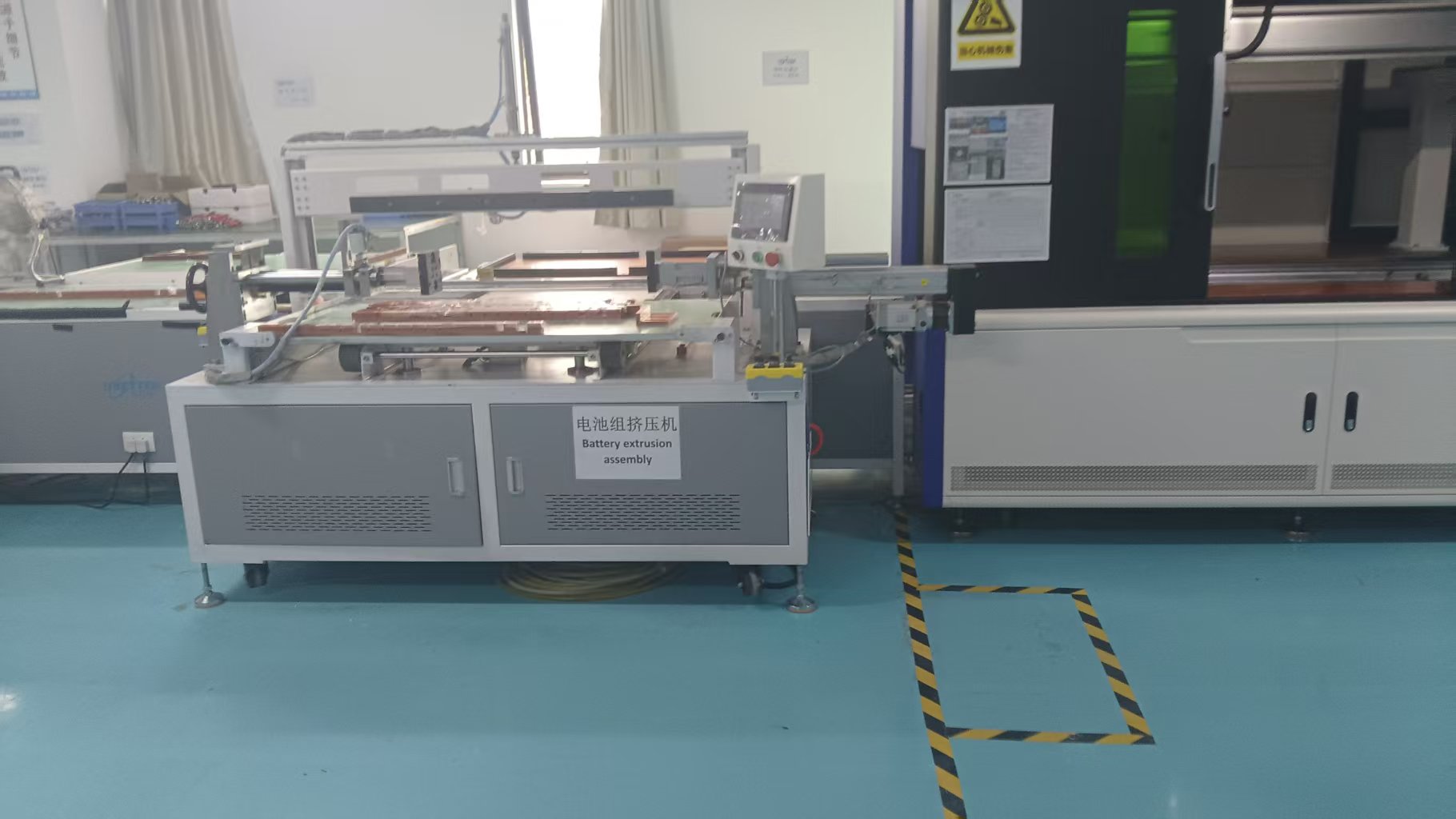
Advanced production processes, like automated assembly, are indicators of manufacturing quality and consistency.
2.2 Manufacturing Quality and Scale
Request virtual or on-site factory audits. Key areas to scrutinize include cell sourcing (grade A vs. secondary), production environment (cleanliness, automation level), quality control checkpoints (laser welding precision, polarity testing), and testing equipment. A supplier's ability to scale production reliably is crucial for meeting delivery timelines for large projects.
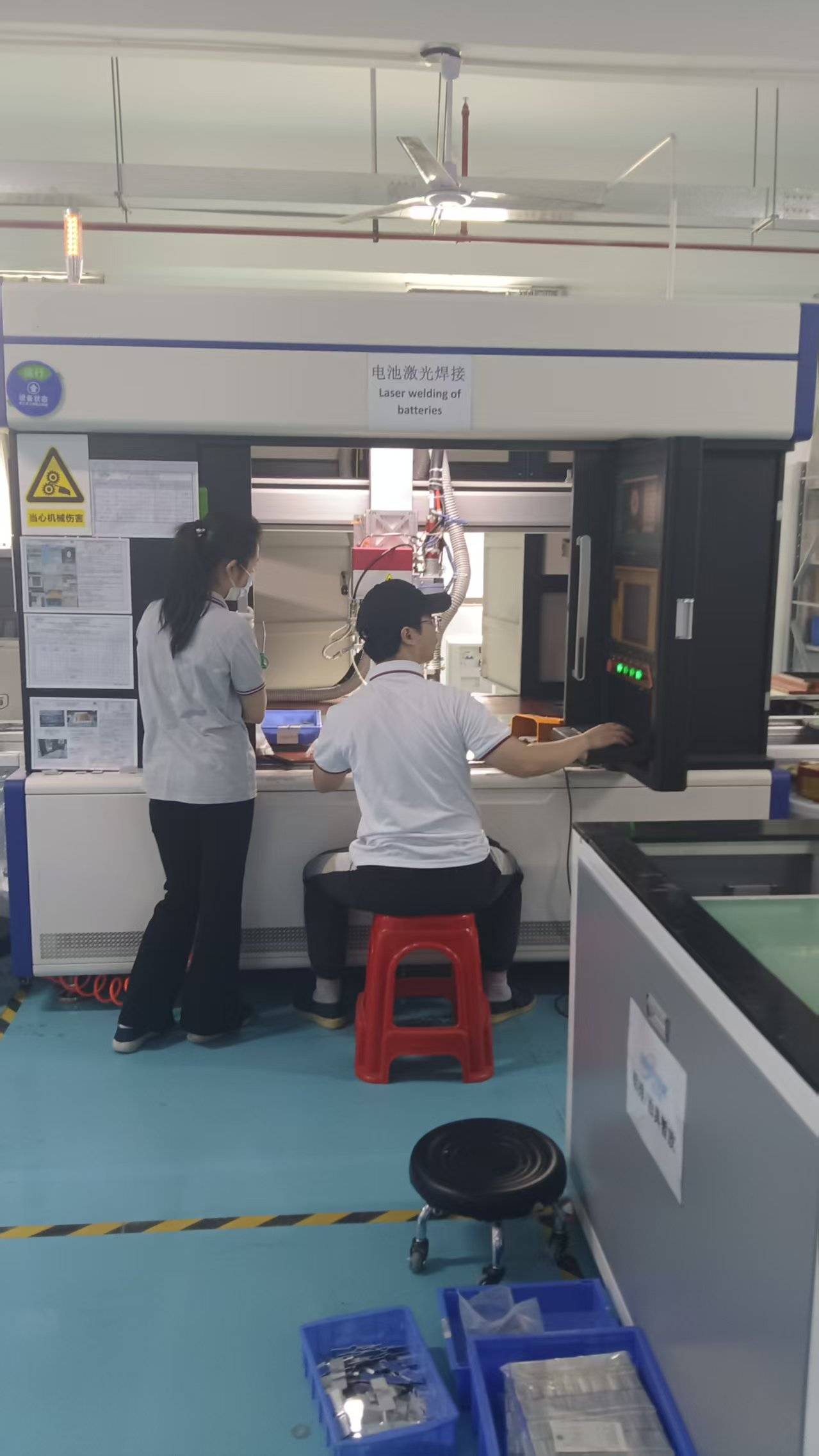
Precision laser welding ensures strong, reliable electrical connections within a battery pack.
2.3 Certification and Compliance Portfolio
Valid, up-to-date certifications are the most objective proof of a product's safety, performance, and reliability. A reputable supplier will transparently provide these documents.
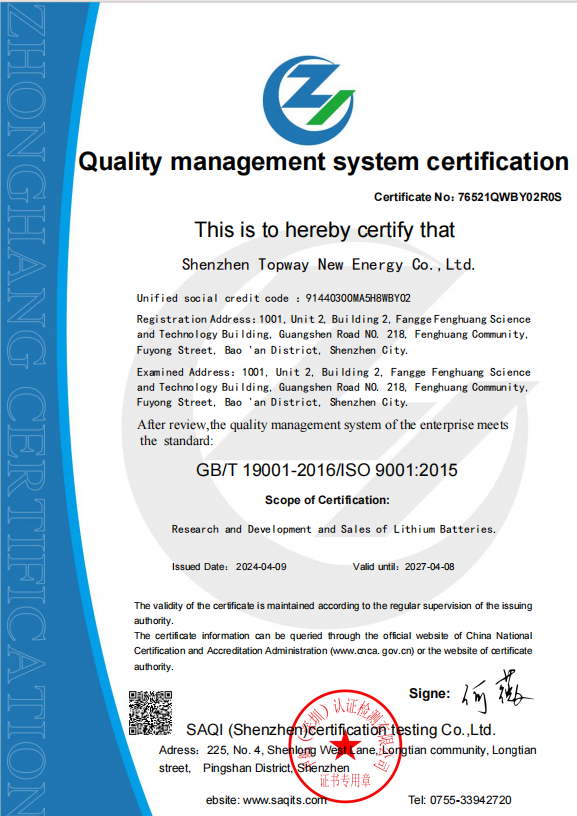
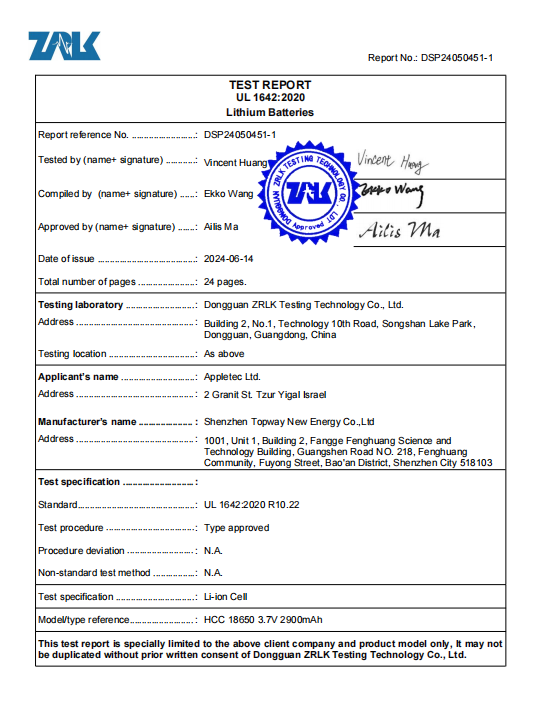
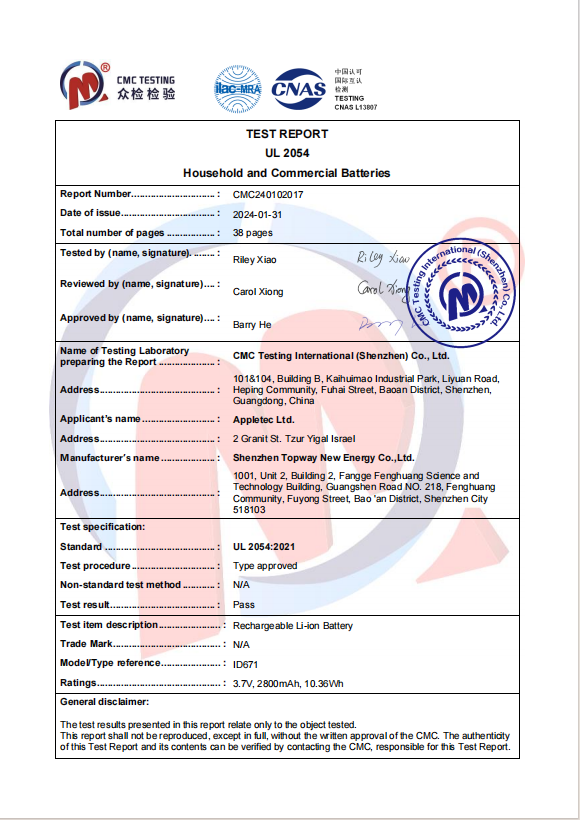
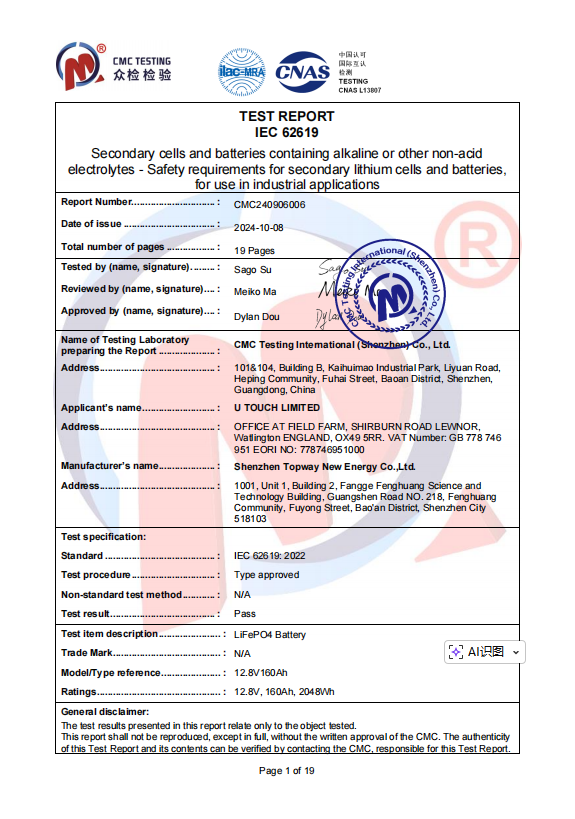
Certifications like IEC 62133-2, UL 2054, and IEC 62619 are particularly critical for lithium energy storage battery systems. Additional recognitions, such as being named a "Top 100 Innovative Science and Technology Enterprise in the Guangdong-Hong Kong-Macao Greater Bay Area in 2025," signal industry recognition and commitment to innovation.
2.4 Market Reputation and Reference Projects
Examine the supplier's track record. How long have they been in business? Who are their existing clients? Request case studies or references for projects similar to yours, whether for solar energy storage battery installations or golf cart battery fleets. Participation in major international trade shows (e.g., Electronica in Germany) is a positive sign of global engagement and market presence.
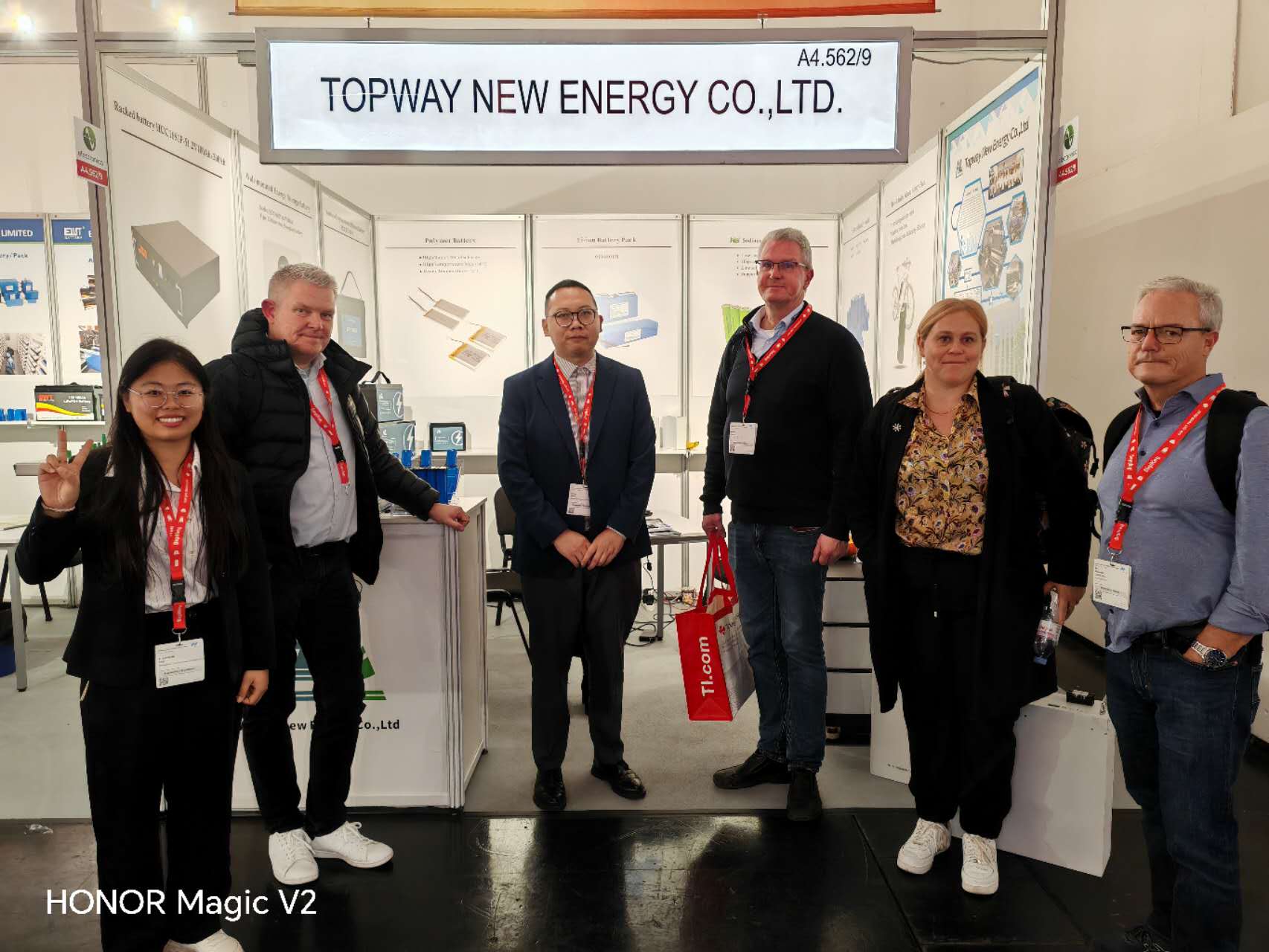
Active participation in global industry exhibitions demonstrates market engagement and a commitment to international business.
3. Due Diligence and Verification Steps
After shortlisting potential suppliers, conduct thorough due diligence.
- Sample Testing: Never skip this step. Order pre-production samples for independent third-party testing to verify capacity, cycle life, safety features, and compliance with claimed specifications.
- Contract Scrutiny: Carefully review terms related to warranty (length, scope, transferability), liability, payment terms, delivery schedules, and minimum order quantities (MOQs).
- Supply Chain Transparency: Inquire about their supply chain for critical components, especially lithium cells, to assess resilience against market fluctuations and material shortages.
- After-Sales Support: Evaluate the structure of their technical support, warranty claim process, and availability of spare parts or replacement modules.
4. Example of a Qualified Supplier Profile
To illustrate the evaluation framework, consider the profile of an established player in the market.
Shenzhen Topway New Energy Co., Ltd. (HCC)
Core Business: A specialized manufacturer and solution provider focusing on energy storage batteries and lithium-ion batteries, with products exported globally and serving the Chinese market. Applications span solar battery backup, communications, portable power, and mobility solutions like golf cart batteries.
Technical Evolution: The company is strategically evolving from providing battery pack solutions and cooperative production to establishing its own advanced production lines. This vertical integration is designed to enhance control over quality, improve delivery efficiency for complex and large-volume orders, and offer a superior customer experience.
Product Range: The portfolio includes a wide array of products to meet diverse needs, such as lifepo4 100ah battery, solar battery 48V packs, 200ah lithium battery units, and integrated energy storage battery systems.
Compliance: Holds a comprehensive suite of international certifications, including UL, IEC, CE, RoHS, and UN38.3 for transport, validating product safety for global markets.
Contact: For procurement inquiries, they can be reached via phone at +86 755 81461866, WhatsApp at +86 18682160604, or email at sales@hcctop.com. More detailed information is available on their official website: www.hcctop.com.
Procurement Insight: The most cost-effective supplier is not always the one with the lowest unit price. Total cost of ownership (TCO), which includes factors like product lifespan, maintenance costs, warranty support, and efficiency losses, should be the ultimate metric for comparison. Investing in a qualified supplier with robust engineering and quality systems mitigates long-term operational risks.
Conclusion
Selecting a reliable storage battery supplier requires a methodical approach that balances technical specifications, quality assurance, commercial terms, and strategic partnership potential. By rigorously applying the criteria of technical capability, manufacturing quality, certification validity, and market reputation, procurement professionals can make informed decisions that secure a stable, high-performance supply of lithium solar batteries, solar battery packs, and other critical energy storage components. This diligence is fundamental to ensuring the success and sustainability of any project dependent on advanced battery technology.