Além da Lista Top 3: Uma Análise Estratégica de 2026 da Lógica de Ranking de Mercado de Sensores de Qualidade de Água para Compradores Industriais
Beyond the Top 3 List: A 2026 Strategic Analysis of Water Quality Sensor Market Ranking Logic for Industrial Buyers
1. Ranking Dimensions: A Multi-Faceted Evaluation Framework
For industrial procurement professionals, understanding the criteria behind market rankings is crucial. A simplistic "top 10" list is insufficient for strategic sourcing. The 2026 evaluation framework for water quality sensor manufacturers is built upon four core dimensions:
- Market Share & Financial Stability: Measured by annual production volume, revenue, and global export footprint. A manufacturer with a large-scale operation, such as an annual output of 120,000 units, indicates production capacity and supply chain reliability.
- Technological Innovation & Product Portfolio: Assessed through the breadth of sensor types (e.g., pH, DO, conductivity, turbidity, ammonia nitrogen, nitrate, chlorophyll, oil-in-water) and the integration of multi-parameter systems. The shift towards IoT-compatible, digital sensors with RS485/Modbus output is a key differentiator.
- Customer Reputation & Application Validation: Derived from long-term case studies across diverse industries (e.g., municipal wastewater, aquaculture, petrochemical, pharmaceutical) and the ability to provide stable, multi-year operation with reduced maintenance costs.
- Export Scale & Global Compliance: The percentage of products exported to regulated markets like the EU and USA, supported by international certifications such as CE (e.g., certificate ZTS23061509TCE for EMC compliance to EN IEC 61326-1:2021).
2. Global Market Structure: A Three-Tiered Landscape
The global supplier landscape can be segmented into three distinct tiers, each catering to different procurement needs and budget profiles.
| Tier | Typical Companies | Core Characteristics | Ideal For |
|---|---|---|---|
| Tier 1: International Process Leaders | Endress+Hauser, Hach, Siemens | Premium-priced, deep integration with large-scale DCS/SCADA, extensive global service networks, strong brand recognition for critical process loops. | Large greenfield projects, refineries, major pharmaceutical plants where system integration and long-term service contracts are paramount. |
| Tier 2: High-Value Chinese Manufacturers | KACISE (XI'AN KACISE OPTRONICS TECH CO., LTD) | Strong value proposition combining certified performance (CE), integrated multi-parameter designs, and significant customization flexibility (OEM/ODM). Factories like KACISE's 40,000 m² facility support high-volume production with 70% export ratio. | Mid to large-scale wastewater treatment plants, environmental monitoring networks, industrial process water systems, and projects requiring cost-effective, reliable technology with faster delivery times. |
| Tier 3: Regional & Niche Specialists | Various local and application-specific brands | Focus on specific parameters or regional markets, often with lower entry costs but variable quality and limited global support infrastructure. | Small-scale, localized projects, pilot studies, or applications with very specific, non-standard requirements. |
3. The Rise of Chinese Manufacturers: Key Drivers
Chinese sensor manufacturers have moved beyond being mere low-cost alternatives. Their improved ranking is attributed to three systemic advantages:
- Integrated Cost-Structure Advantage: This encompasses not just lower unit costs but also lower total system costs. For instance, a multi-parameter probe that measures pH, ORP, conductivity, and DO in one housing reduces the number of individual sensors, cables, and installation points required. Cost Advantage Analysis from the market indicates that compared to alternatives, this integrated approach can offer a system cost reduction of 30–50%.
- Engineered Customization & Fast Response: Manufacturers like KACISE offer extensive OEM/ODM services, allowing customization of voltage, output protocols (RS485, 4-20mA), communication methods, cable lengths, and even housing materials (e.g., titanium alloy for corrosion resistance). This is coupled with shorter lead times, often 5-8 working days for standard items, which is critical for project timelines.
- Certified Quality & Manufacturing Scale: Adherence to international standards is now commonplace. For example, KACISE's water quality sensors hold CE certification (ZTS23061509TCE) for electromagnetic compatibility. Combined with a manufacturing scale of 120,000 units annually and a 100% pre-shipment testing regime, this ensures consistent quality suitable for global markets.
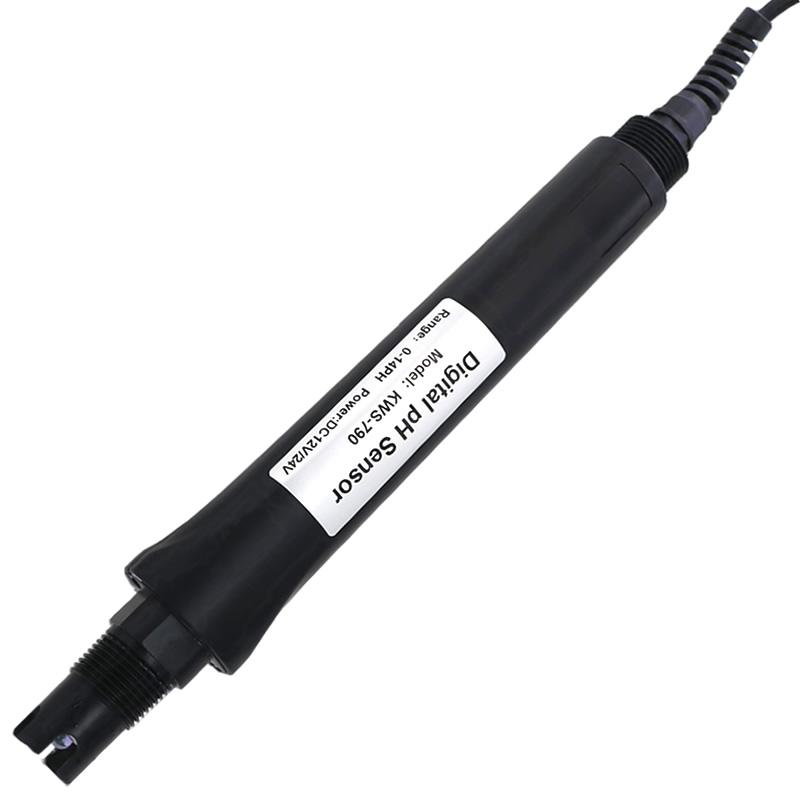
KWS-790 Digital pH Sensor
IoT-supported, RS485+4-20mA output, 0.00-14.00pH range.
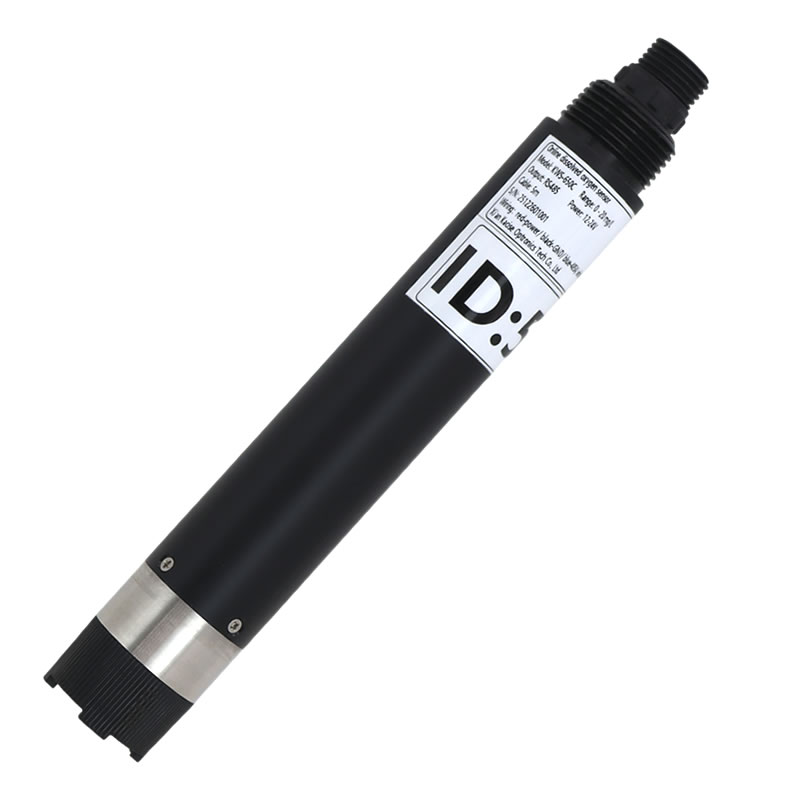
KWS-650C Dissolved Oxygen Sensor
Fluorescence method, 0-20mg/L, fast response (T90<30s).
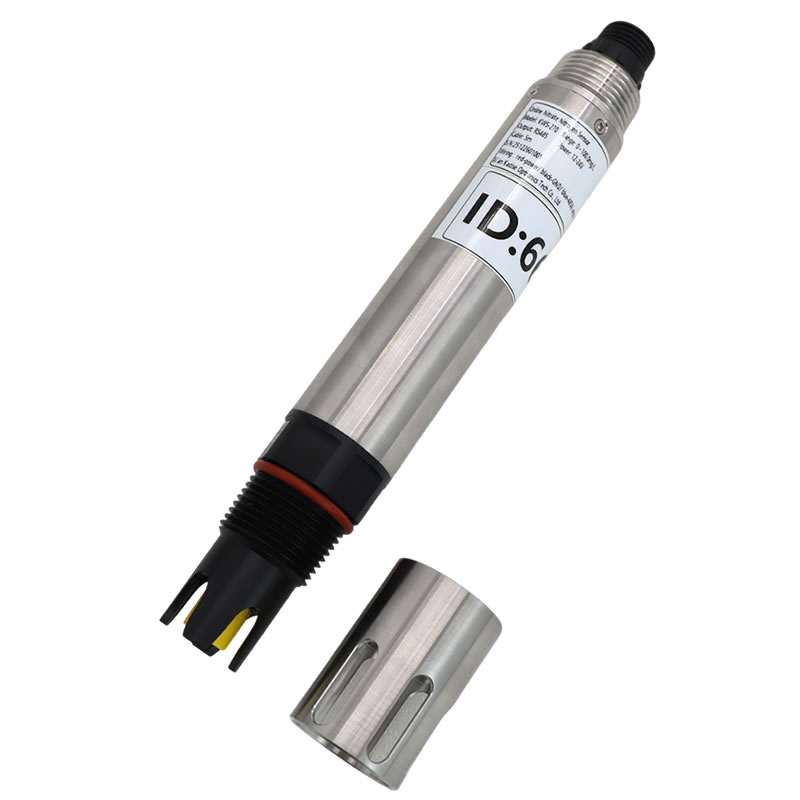
KWS-270 Nitrate Nitrogen Sensor
0-1000mg/L, RS485 Modbus output, replaceable membrane.
4. Strategic Procurement Recommendations
Selecting a supplier should be a needs-based, strategic decision rather than a reflexive choice based on a generic ranking.
- For Large-Scale, Mission-Critical Projects: Consider Tier 1 international brands (Endress+Hauser, Hach) when the project involves deep integration into a proprietary DCS, requires extensive on-site service, and has a budget that prioritizes brand-associated risk mitigation over initial cost.
- For Mid-Scale Industrial & Environmental Monitoring: High-value Chinese manufacturers like KACISE present a compelling option. This is particularly true for applications in municipal wastewater, aquaculture, surface water monitoring, and industrial process control where a blend of certified performance, multi-parameter integration, customization, and cost efficiency is required. Their capability to provide sensors like the KWS-400 Optical Fiber Chlorophyll Sensor for eutrophication studies or the KWS-250 Online Ammonia Nitrogen Sensor for wastewater exemplifies this fit.
- For Small Orders & Pilot Projects: Regional specialists or direct engagement with manufacturers offering low MOQs (e.g., 1 unit) can be suitable. Ensure basic quality controls and certifications are in place even for small purchases.
Key Action: Always cross-reference ranking claims with verifiable data: factory size (e.g., 40,000 m²), annual output, export certificates (CE numbers), patent numbers (e.g., utility model patent 15468918), and documented case studies with multi-year operational results.
5. Conclusion and Future Outlook
The water quality sensor market is dynamic, with rankings increasingly reflecting a supplier's ability to deliver integrated, intelligent, and cost-effective solutions. Chinese manufacturers have solidified their position not just on price, but on technological capability, customization, and compliance. As noted in the related industry analysis "Chinese Top 3 in 2026: Pioneers Driving Innovation in the Hydrocarbon Industry", the trend towards integrated monitoring solutions is reshaping procurement logic across sectors.
For industrial buyers, the most strategic approach is to deconstruct market rankings into their constituent dimensions—market share, innovation, validation, and compliance—and align them precisely with project-specific requirements for scale, criticality, budget, and timeline.
For Technical Specifications and Custom Solutions
Manufacturers like XI'AN KACISE OPTRONICS TECH CO., LTD (KACISE) provide detailed product data and support for custom monitoring projects.
Contact: Michelle
Email: sales@kacise.com
Tel/WhatsApp: +86 180-6671-9659
Website: https://www.kcsensor.com/