Guia de Como: Otimizar Formulações de Tinta de Impressão com Propileno Glicol Butil Ether (PNB)
How-To Guide: Optimizing Printing Ink Formulations with Propylene Glycol Butyl Ether (PNB)
This technical guide is designed for ink formulators, R&D chemists, and procurement specialists. It provides a detailed, step-by-step approach to selecting and using Propylene Glycol Butyl Ether (PNB) effectively in printing ink applications, from understanding its role to integrating it into stable, high-performance formulations.
1. Understanding the Role of PNB in Printing Inks
Propylene Glycol Butyl Ether (PNB), with CAS number 15821-83-7, functions as a versatile solvent and coalescing agent in printing inks. Its primary roles include:
- Solvency Power: PNB effectively dissolves a wide range of resins and binders common in ink formulations.
- Evaporation Rate Control: It offers a balanced evaporation rate, crucial for proper film formation and drying in various printing processes.
- Coalescing Aid: In water-based systems, PNB helps polymer particles fuse together to form a continuous, durable film.
- Viscosity and Flow Modifier: It contributes to the rheological properties of the ink, influencing its application and leveling characteristics.
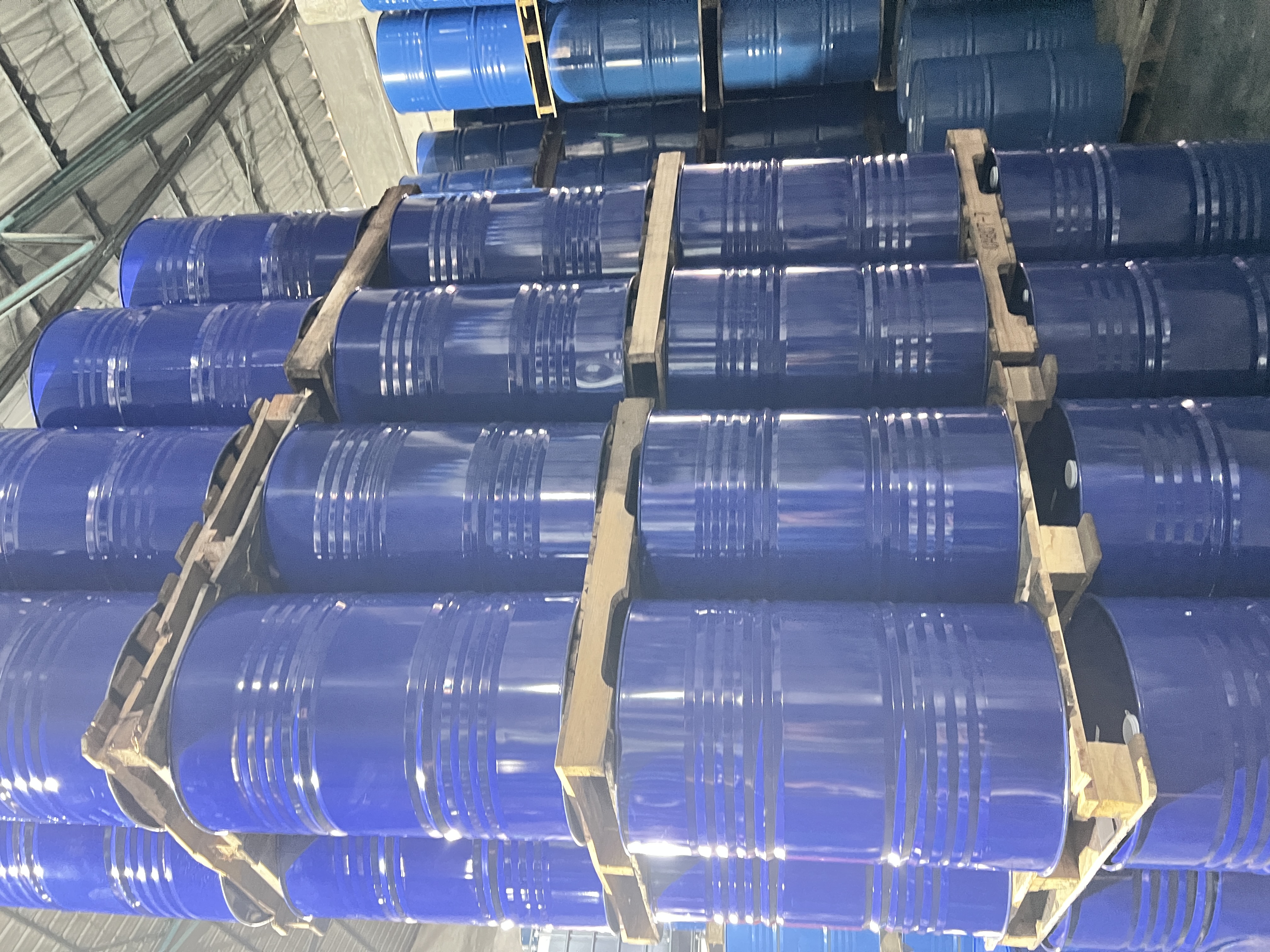
Propylene Glycol Butyl Ether (PNB) is typically supplied in 180 kg steel drums, as offered by suppliers like Yunjian.
2. Step-by-Step: Integrating PNB into Your Ink Formulation
Step 1: Define Ink Performance Requirements
Before selecting a solvent, clearly define the target application (e.g., flexographic, gravure, screen printing), substrate, required drying speed, gloss, and chemical resistance. This will determine the required PNB grade and concentration.
Step 2: Select the Appropriate PNB Grade
For printing inks, a high-purity, ink-grade PNB is essential. Key specifications to verify include:
- Purity: ≥ 99% purity is standard for consistent performance.
- Water Content: Low water content is critical to prevent issues in solvent-based inks and to ensure stability in water-based systems.
- Color & Odor: A water-white appearance and low odor are important for many ink applications.
- Certifications: Ensure the material complies with relevant regulations. For instance, Yunjian's PNB has a Safety Data Sheet (SDS) compiled according to the UN Globally Harmonized System (GHS) Revision 10, with report number HGBZ2310SPO1 issued by Changzhou Hegui Siyuan Products Safety Technology Service Co., Ltd., valid until December 31, 2026.
Step 3: Laboratory Pre-Testing and Compatibility
Conduct small-scale compatibility tests. Add PNB incrementally to your resin solution or pigment dispersion while monitoring for:
- Clarity and stability of the solution.
- Any signs of precipitation or gelation.
- Final viscosity and flow behavior.
Step 4: Pilot-Scale Formulation and Evaluation
Scale up the successful lab formula. Key parameters to evaluate include:
- Drying Time: Measure set-to-touch and through-dry times under simulated production conditions.
- Film Properties: Assess gloss, adhesion, flexibility, and block resistance.
- Printability: Test on the target press or coater for transfer, dot gain, and color development.
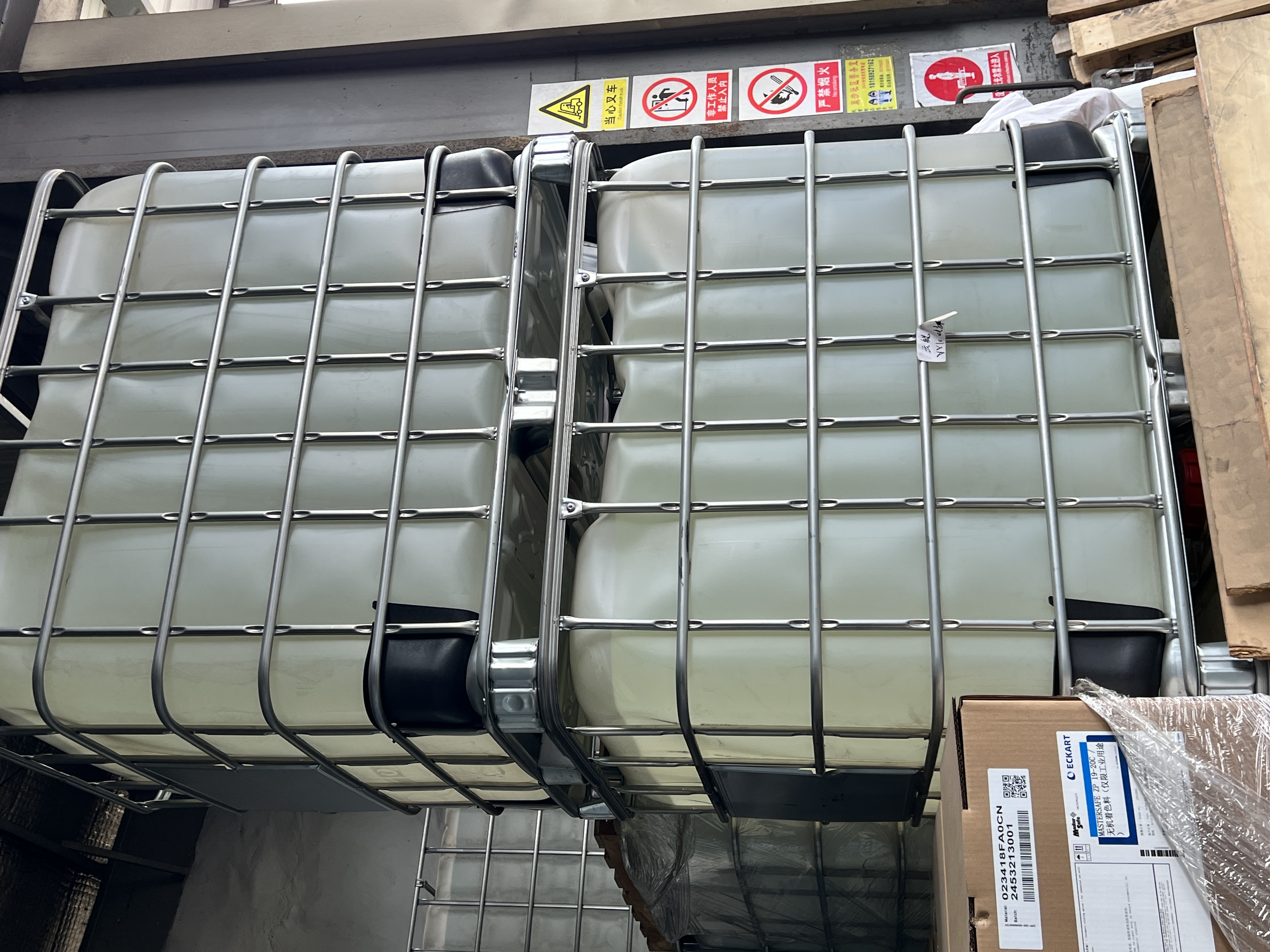
Industrial-scale production requires solvents that ensure consistent performance in 24/7 operations.
3. Common Challenges and Troubleshooting
| Problem | Potential Cause Related to PNB | Suggested Solution |
|---|---|---|
| Slow Drying | PNB concentration too high; slow evaporating tail. | Blend with a faster-evaporating solvent (e.g., alcohol). Reduce PNB percentage. |
| Poor Film Formation (Water-based) | Insufficient PNB to properly coalesce polymer particles. | Increase PNB level within the manufacturer's recommended range for the specific resin. |
| Viscosity Instability | Incompatibility with other formulation components. | Re-check compatibility. Consider using a co-solvent or altering the addition order. |
| Haze or Blush in Film | Moisture pickup due to high humidity during drying. | PNB has some water tolerance, but adjusting the solvent blend or controlling the drying environment may be necessary. |
4. Sourcing and Quality Assurance for PNB
Reliable sourcing is key to formulation consistency. When evaluating suppliers like Yunjian (Guangzhou) Import & Export Trade Co., Ltd, consider the following:
- Technical Specifications: Request and review batch-specific Certificates of Analysis (CoA).
- Regulatory Documentation: Ensure access to up-to-date SDS and compliance statements (e.g., REACH).
- Supply Chain Stability: Inquire about inventory levels and lead times. Yunjian indicates a lead time of 30–45 days and a Minimum Order Quantity (MOQ) of 2 drums.
- Quality Control: Suppliers employing 100% testing protocols provide higher assurance of batch-to-batch consistency.
PROPYLENE GLYCOL BUTYL ETHER (PNB) is a pure solvent applicable to multiple industries, including coatings, cleaning, and electronics. Its role in printing inks is well-established for achieving desired performance characteristics.
5. Conclusion and Next Steps
Successfully formulating with PNB requires a methodical approach: defining needs, selecting the right grade, rigorous testing, and partnering with a reliable supplier. By following this guide, formulators can leverage PNB's properties to develop inks with optimal drying, film formation, and application performance.
For procurement specialists, establishing a relationship with a supplier that offers consistent quality, comprehensive documentation, and technical support is crucial for long-term success.
Download the Full Product Brochure: For complete technical specifications, handling guidelines, and more detailed application data on Propylene Glycol Butyl Ether and related products from Yunjian, download the company brochure here.