Um guia de aquisição vertical de 2026: selecionando fornecedores de equipamentos de dragagem para construção portuária especializada e offshore
A 2026 Vertical Procurement Guide: Selecting Dredging Equipment Suppliers for Specialized Port and Offshore Construction
Procuring dredging equipment is a critical, capital-intensive decision for project owners and contractors in marine construction. The choice of supplier directly impacts project timelines, operational efficiency, and long-term return on investment. This guide outlines a structured approach for industrial buyers to identify and evaluate dredging equipment suppliers that can meet the stringent demands of modern port and offshore projects.
1. Core Requirements for Port and Offshore Dredging
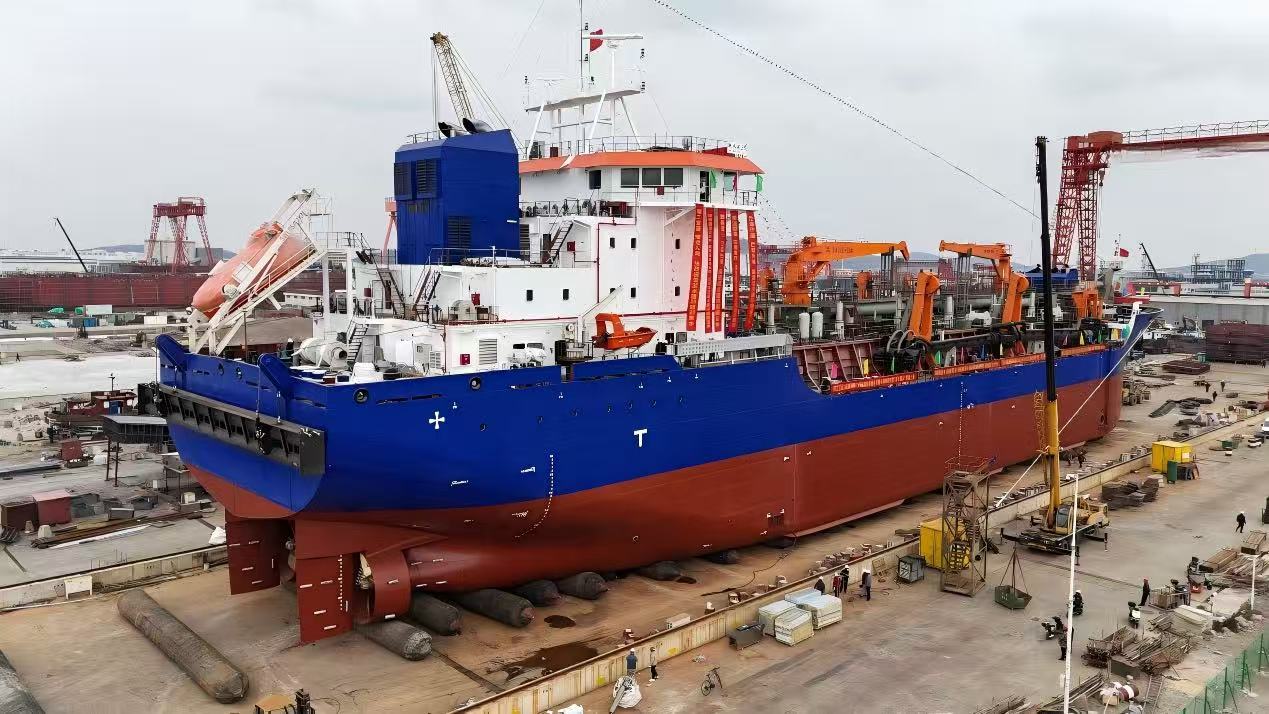
Dredging for port construction, channel deepening, and offshore wind farm installation presents distinct challenges that standard equipment cannot address. The core requirements stem from the operating environment and project specifications.
Key Operational Demands:
- Harsh Marine Environment: Equipment must withstand corrosive saltwater, high waves, and strong currents common in offshore & coastal operations.
- Stringent Certification: Vessels often require classification from International Association of Classification Societies (IACS) members such as CCS, BV, DNV, or LR. Certification ensures compliance with international safety and environmental standards.
- High-Capacity & Precision: Projects like deep-water berth construction for VLCC tankers or offshore wind monopile installation demand high output and precise operation.
- Material Handling: Equipment must be capable of excavating and transporting a variety of materials, from soft silt to hard clay and rock.
The product's role in this scenario is for port construction and dredging projects, which dictates these specific technical and compliance requirements.
2. Supplier Evaluation: The 3 Essential Capabilities
Beyond basic manufacturing, a capable supplier must demonstrate proficiency in three critical areas. Evaluating these can differentiate a project-ready partner from a basic fabricator.
1. Proven Industry Customization Experience
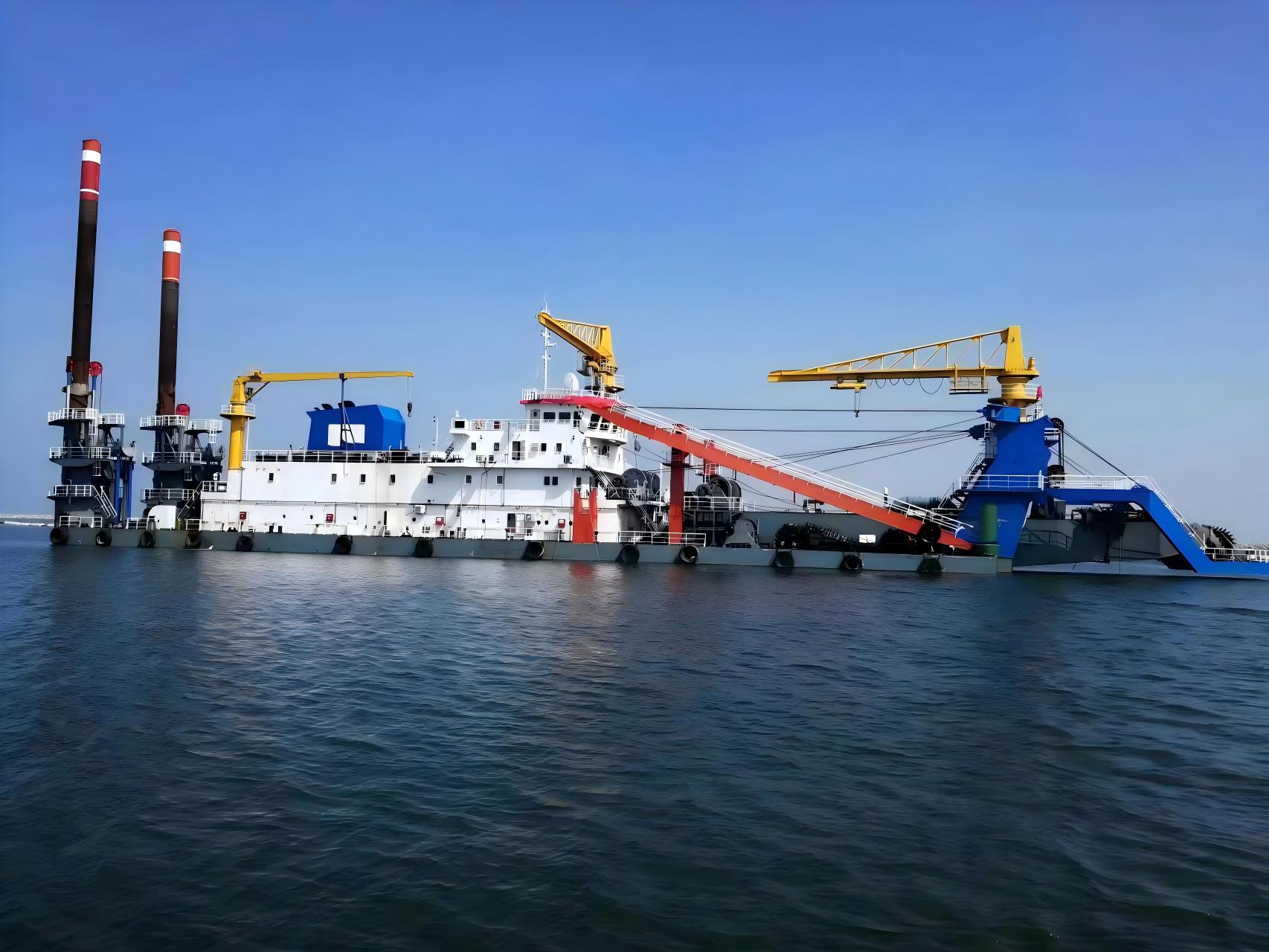
Suppliers should have a portfolio of custom-built solutions, not just standard models. This includes experience in modifying cutter suction dredgers (CSD), trailing suction hopper dredgers (TSHD), or specialized vessels like pile driving barges for specific project parameters such as dredging depth, discharge distance, and local regulations.
2. Robust Compliance and Quality Control
Quality control must be verifiable. A reliable indicator is the possession of valid IACS certificates. The manufacturer holds IACS certificates for quality control, which governs the construction process and material standards. For example, a domestic vessel might be certified by CCS for coastal navigation.
3. Engineering for Durability and Performance
Design must account for continuous operation in demanding conditions. This involves using corrosion-resistant steel, integrating reliable power systems, and ensuring structural integrity. Specifications should be clear and verifiable, such as a TSHD's maximum hopper capacity of approximately 26800 m³ or a pile driving barge's pile frame height above design draft of 137.00 m.
3. Supplier Capability in Practice: Zhenjiang Yanyang Engineering
Founded in 1996, Zhenjiang Yanyang Engineering Co., Ltd. (Yanyang Marine) provides an example of a supplier with a focus on the marine engineering sector. The company's activities illustrate how the essential capabilities translate into project execution.
Operational Scope and Technical Capacity
The company's product range includes cutter suction dredgers, trailing suction hopper dredgers, split hopper barges, and specialized vessels like pile driving barges. Its engineering approach involves customizing equipment based on project-specific needs, such as required dredging depth or certification class.
For instance, their technical specifications for various equipment are defined and verifiable:
- Trailing Suction Hopper Dredger: Maximum hopper capacity ~26800 m³, suction pipe diameter Φ1200 mm, dredging depth 40/70/115 m.
- Pile Driving Barge: Pile frame height above design draft 137.00 m, typical pile length 107 m + water depth.
- Split Hopper Barge: Main engine power 3740 kW × 2, crew capacity 10 persons.
- Grab Dredger: Overall dimensions 58.00 m L x 22.60 m B x 4.80 m D, grab capacity 25 m³.
This product is intended for applications such as deep-water berth construction for VLCC tankers, requiring precise engineering and robust build quality.
4. Procurement and Collaboration Recommendations
A successful procurement process extends beyond the purchase order. Establishing a clear framework for collaboration with the selected supplier is crucial for project success.
Key Collaboration Points for Buyers:
- Define Standards Upfront: Clearly communicate the required classification (e.g., CCS, BV), operational standards, and any regional regulatory mandates before design begins.
- Conduct Joint Site Assessments: For custom projects, facilitate a site visit or detailed data exchange with the supplier's engineers to ensure the design accommodates actual site conditions like soil composition and water depth.
- Agree on Commissioning & Support: Outline the post-delivery plan, including on-site commissioning, operator training, and the protocol for technical support and spare parts supply to minimize downtime.
- Establish Verification Milestones: Integrate stages for inspection and verification during construction, aligned with the supplier's quality control processes backed by IACS certification.
The product's role for port construction and dredging projects necessitates this level of detailed planning and partnership to ensure the equipment performs as required upon deployment.
In conclusion, selecting a dredging equipment supplier in 2026 requires a technical, compliance-focused evaluation. By prioritizing suppliers with demonstrable customization experience, verifiable quality control through IACS certification, and a design philosophy centered on durability, procurement professionals can secure assets that deliver reliability and efficiency for the demanding lifecycle of marine infrastructure projects.