 300000
 500
500

A Practical Guide to Procuring High-End Villa Windows from China: From Negotiation to Risk Mitigation
A Practical Guide to Procuring High-End Villa Windows from China
A Step-by-Step Framework for Industrial Buyers to Ensure Quality, Compliance, and On-Time Delivery
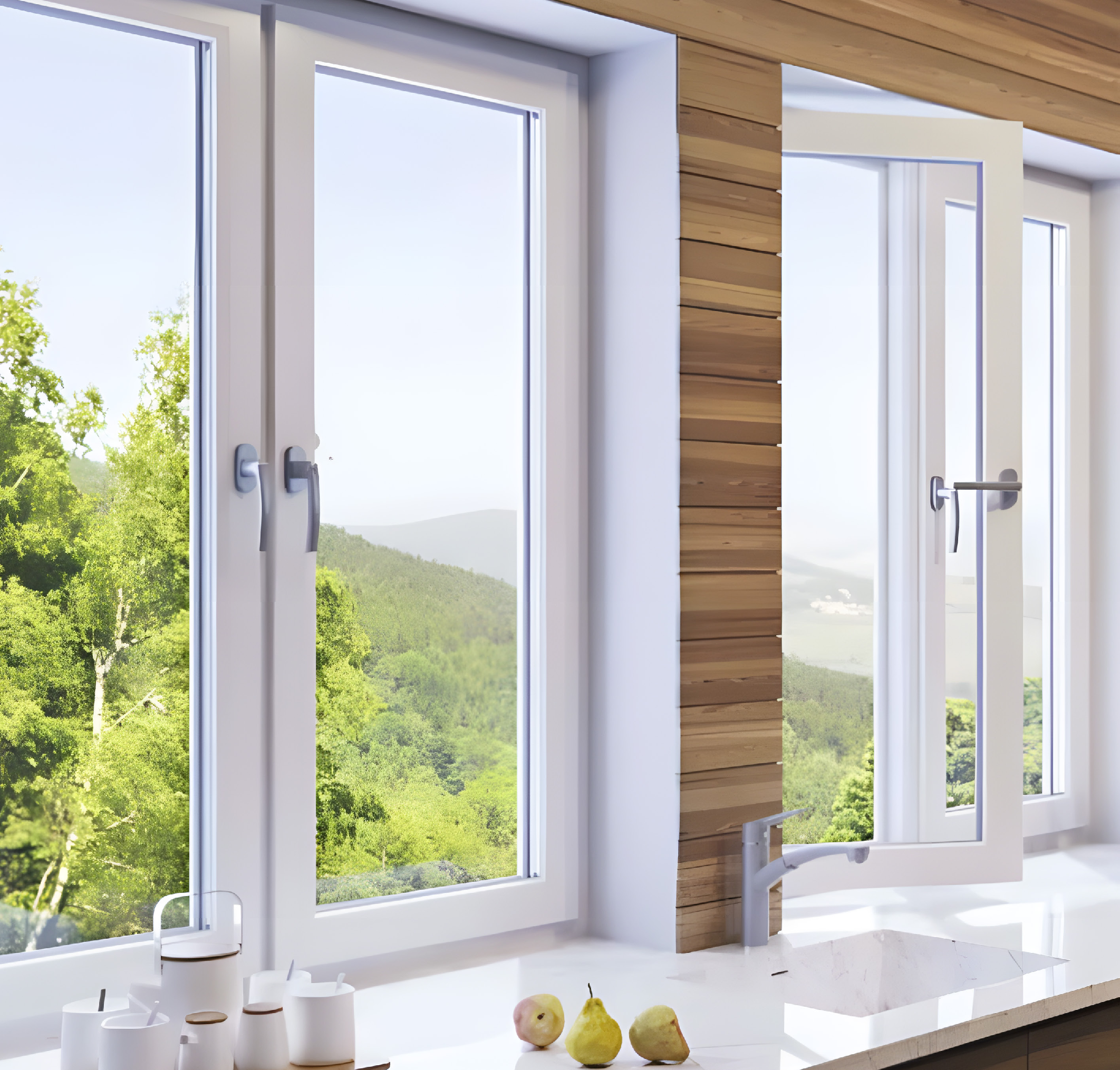
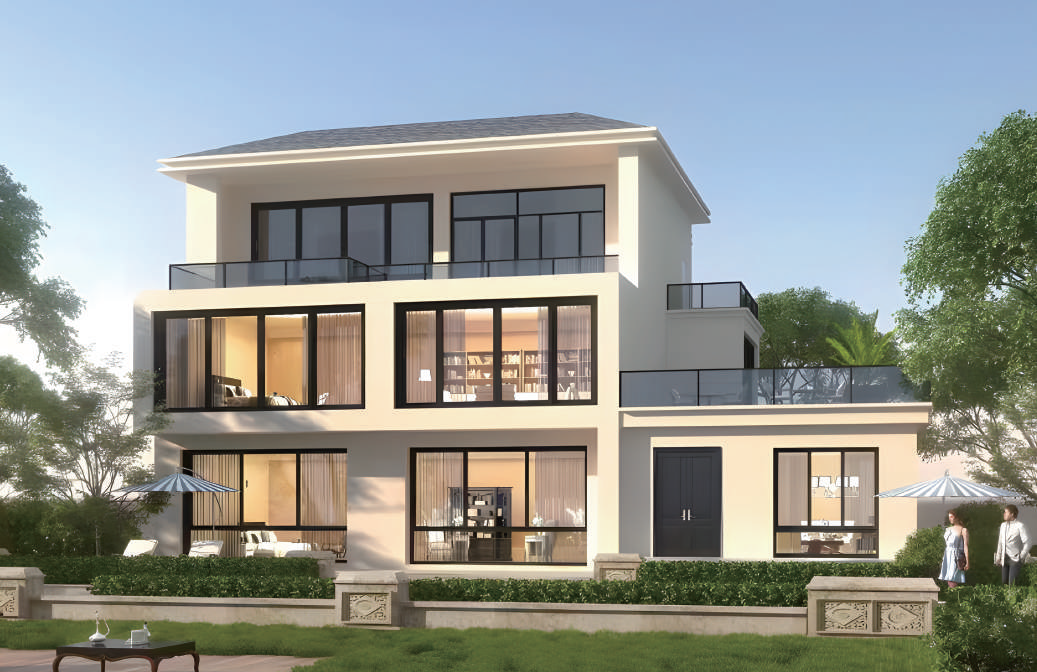
EDUN 108 Series Sliding Door for North American high-end villas, featuring CSA certification and a Uw value of 1.2 W/㎡·K.
Procuring custom, high-performance windows for luxury villas from international suppliers involves navigating technical specifications, international logistics, and complex supplier agreements. This guide provides a structured approach for procurement professionals, from initial planning to final delivery and risk management, with a focus on sourcing from specialized Chinese manufacturers like Foshan Nanhai Edun Home Technology Co., Ltd.
Phase 1: Pre-Procurement Preparation & Technical Specification
Defining clear requirements upfront is critical for a successful procurement project. Focus on three core elements:
1. Technical & Performance Requirements
- Local Building Code Compliance: Specify the required certifications. For Australia, this is typically AS 2047-2014. For North America, requirements include AAMA/WDMA/CSA 101/I.S.2/A440-17. Suppliers like Edun hold certifications such as StandardsMark Licence SMK41423 (Australia) and CSA Certificate 80232082 (North America).
- Energy Performance (U-value/WERS): Define the required thermal insulation level. For example, the EDUN 80 Series Casement Window has a Uw of 1.4 W/㎡·K, while the EDUCE 102 Series Awning Window has a WERS Uw range of 2.5-3.0 W/㎡·K.
- Structural Performance: Specify wind load resistance (e.g., 5040 Pa for the EDUN 80 Series), water tightness (e.g., 720 Pa), and sound insulation (e.g., 37 dB).
- Material Specifications: Detail profile thickness (commonly 1.4mm to 2.0mm), glass specifications (e.g., 5+12A+5mm insulating glass or 6+12+6+12+6mm Low-E triple glazing), and hardware brands (e.g., SIEGENIA, HOPPE).
2. Budget & Commercial Framework
- Total Project Budget: Account for product cost, international shipping (FOB/CIF), insurance, import duties, and local installation.
- Supplier Payment Terms: A common structure is a 50% deposit via wire transfer (T/T) upon order confirmation, with the remaining 50% settled before shipment.
- Minimum Order Quantity (MOQ): For villa projects, MOQs can start at 15 square meters. For contractor or development projects, MOQs may be 200 or 500 square meters.
3. Customization & Aesthetic Requirements
- Design & Dimensions: Provide precise architectural drawings for custom sizes and shapes.
- Color & Finish: Specify from available color palettes. Some suppliers offer extensive options, such as 128 shades of Morandi colors.
- Hardware & Accessories: Select handles, locking mechanisms, and optional features like integrated blinds or security mesh.
Phase 2: Supplier Negotiation & Contract Key Terms
When negotiating with manufacturers, pay close attention to these four critical clauses:
1. Minimum Order Quantity (MOQ) & Pricing
- Confirm the MOQ tier that applies to your project volume.
- Request a detailed, itemized quote covering unit cost, tooling charges (if any), packaging, and standard Incoterms (e.g., FOB Shenzhen or CIF destination port).
- Clarify if pricing is fixed for the project duration or subject to raw material fluctuations.
2. Production & Delivery Timeline
- Agree on a detailed production schedule. A standard lead time can be around 15 days for standard configurations, but complex customizations may require more.
- Define the shipment date and the agreed Incoterms that dictate responsibility for logistics and insurance.
- Include penalties or remedies for significant delays in the contract.
3. Quality Assurance & Warranty
- Specify the quality control process. Some manufacturers implement 100% manual quality inspection.
- Define the warranty period for materials, finishes (e.g., against peeling), and hardware (e.g., 500,000 trouble-free operations).
- Detail the process for filing warranty claims and the supplier's obligations.
Phase 3: Cross-Border Procurement Process Flow
The procurement journey from China typically follows these stages:
Order Confirmation & Deposit
After finalizing technical drawings and the commercial contract, issue the official Purchase Order (PO). The supplier will typically request a 50% deposit via T/T wire transfer to commence production. Ensure all specifications and certifications (e.g., CSA 80232082 for North America) are referenced in the PO.
Production & Quality Follow-Up
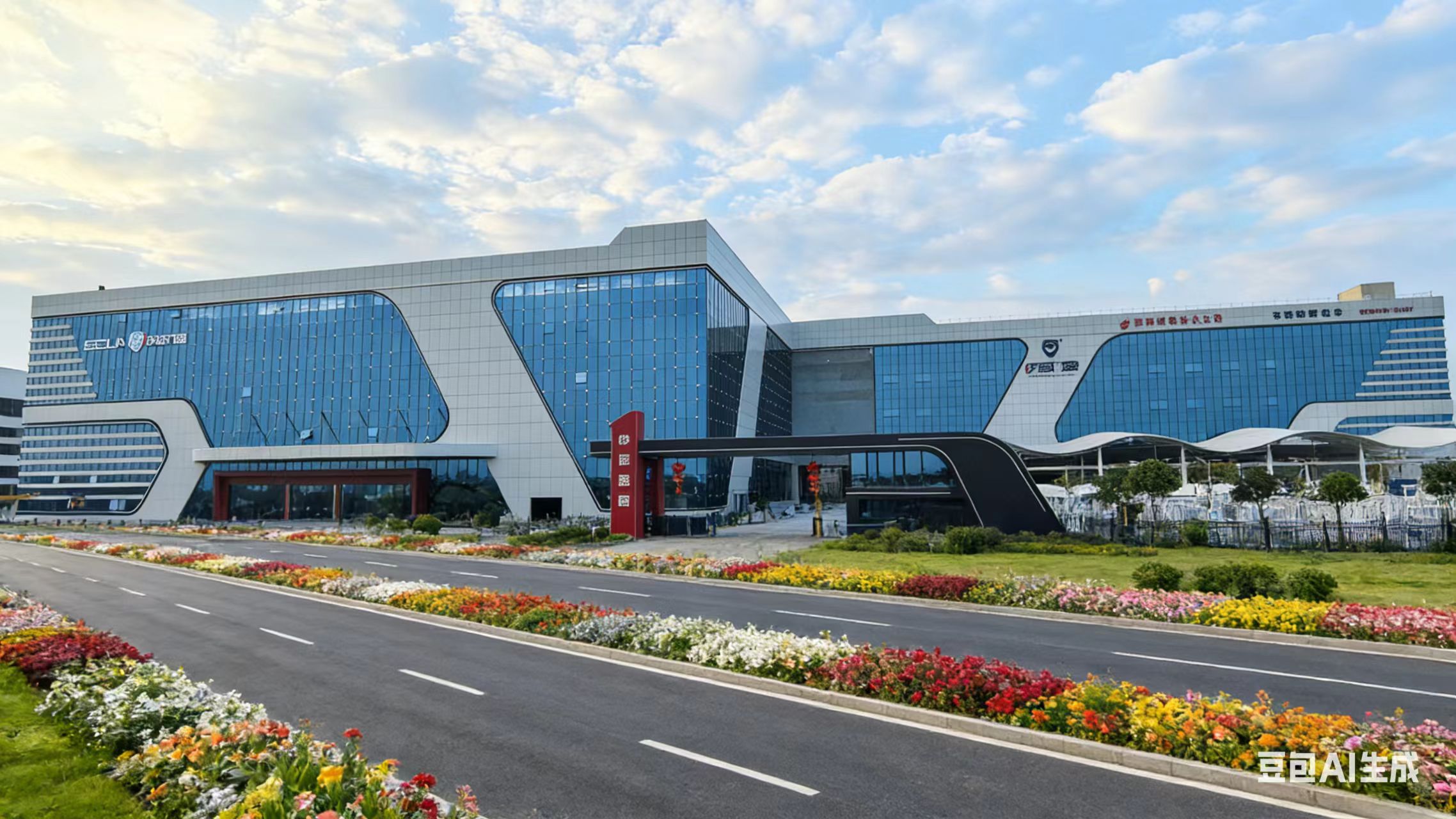
During the production lead time (e.g., 15 days), maintain communication. Reputable suppliers with large-scale operations, such as those with a 300,000 m² smart manufacturing plant and 30 engineers in the R&D team, can provide progress updates. This is also the stage to arrange for a third-party pre-shipment inspection if required by your company's policy.
Logistics, Shipping & Customs Clearance
Once production is complete and the final payment is received, the supplier will arrange shipment per the agreed Incoterms (FOB or CIF). They will provide shipping documents (Bill of Lading, Commercial Invoice, Packing List, and Certificates of Compliance/Origin). Your freight forwarder or in-house logistics team uses these for customs clearance at the destination port.
Site Delivery, Installation & Final Acceptance
Upon arrival, inspect the cargo for any transit damage. Work with local installers to fit the windows. The final acceptance should involve checking the installation against the provided package installation guidance and verifying performance. Document any issues for the supplier's after-sales service.
Phase 4: Risk Mitigation Strategies for Cross-Border Procurement
Proactively addressing common risks is essential for a smooth procurement process.
| Primary Risk | Mitigation Strategy | Example Supplier Measure (Edun) |
|---|---|---|
| Quality Non-Conformance Products do not meet specified standards or samples. |
|
Implementation of 100% manual quality inspection across production stages. Use of specific materials like LOE ultra-white glass to reduce spontaneous breakage rates and Tiger powder for extended paint finish life. |
| Delivery Delays Production or shipping delays disrupt project timelines. |
|
Adoption of AI intelligent manufacturing to optimize production scheduling. A manufacturing facility with a 300,000 m² plant and an annual output of 2,000,000 m² indicates significant capacity for on-time delivery. |
| Post-Sales & Warranty Support Lack of support for installation issues or defective products. |
|
Provision of package installation guidance as part of after-sales service. A dedicated 30-person R&D team supports customization and can address technical queries. The company's established export markets (USA, Canada, Australia, etc.) suggest experience in supporting international clients. |
Financial Risk Mitigation
A structured payment plan is a key financial control. A common and balanced approach is a 50% deposit upon order confirmation, with the remaining 50% due before shipment. This shares risk between buyer and supplier, providing the supplier capital to procure materials while giving the buyer leverage until the goods are ready for dispatch. Always use secure, traceable payment methods like bank wire transfers (T/T).
Conclusion
Successfully procuring custom villa windows from international manufacturers requires a disciplined, phased approach. By thoroughly defining technical and commercial requirements, negotiating clear contract terms, understanding the cross-border logistics process, and implementing robust risk mitigation strategies—such as third-party inspections and structured payment terms—procurement professionals can significantly increase the likelihood of a successful project outcome. Engaging with established suppliers who possess relevant international certifications, transparent processes, and a track record in your target market is fundamental to managing complexity and ensuring the final product meets the high standards expected for luxury villa applications.
Key Supplier Reference: Foshan Nanhai Edun Home Technology Co., Ltd.
Founded in 2009, the company operates a 300,000 m² smart manufacturing plant with an annual output of 2,000,000 m². It holds certifications including CSA 80232082 for North America and StandardsMark Licence SMK41423 for Australia. The company exports to markets including the United States, Canada, Australia, Southeast Asia, the Middle East, and Africa.