
Um guia abrangente para compradores: como selecionar o fornecedor certo de iluminação LED ao ar livre
Procuring LED outdoor lighting for large-scale projects, from municipal roadways to industrial ports and sports stadiums, requires a methodical approach to supplier selection. The market is diverse, with manufacturers offering varying levels of quality, technical support, and project experience. This guide outlines key evaluation criteria to help procurement professionals identify reliable partners capable of meeting specific technical, logistical, and commercial requirements.
1. Assess Technical Capabilities and Product Portfolio
A supplier's technical depth is reflected in its product range and specifications. Look for a manufacturer that offers specialized solutions for different outdoor applications. For instance, a comprehensive portfolio should include distinct product lines.
- Street & Roadway Lighting: Products like the Tool-less LED Street Light ILE (model 570) and Compact Street Lighting-ILG (model 571) are designed for public roads. Key parameters include efficacy up to 195 lm/W, IP66/IK09 or IP66/IK10 ratings, and various light distributions (Type II, III, IV, T2).
- Area & Flood Lighting: For parking lots, ports, and large facilities, the Tool-less Area Light-PLB and High Mast Light/Flood Light HMA are relevant. The PLB model offers power tunability (75W/100W/150W), efficacy up to 160 lm/W, and IP66/IK10 protection. The HMA is a die-casting aluminum flood light suitable for seaport and airport lighting.
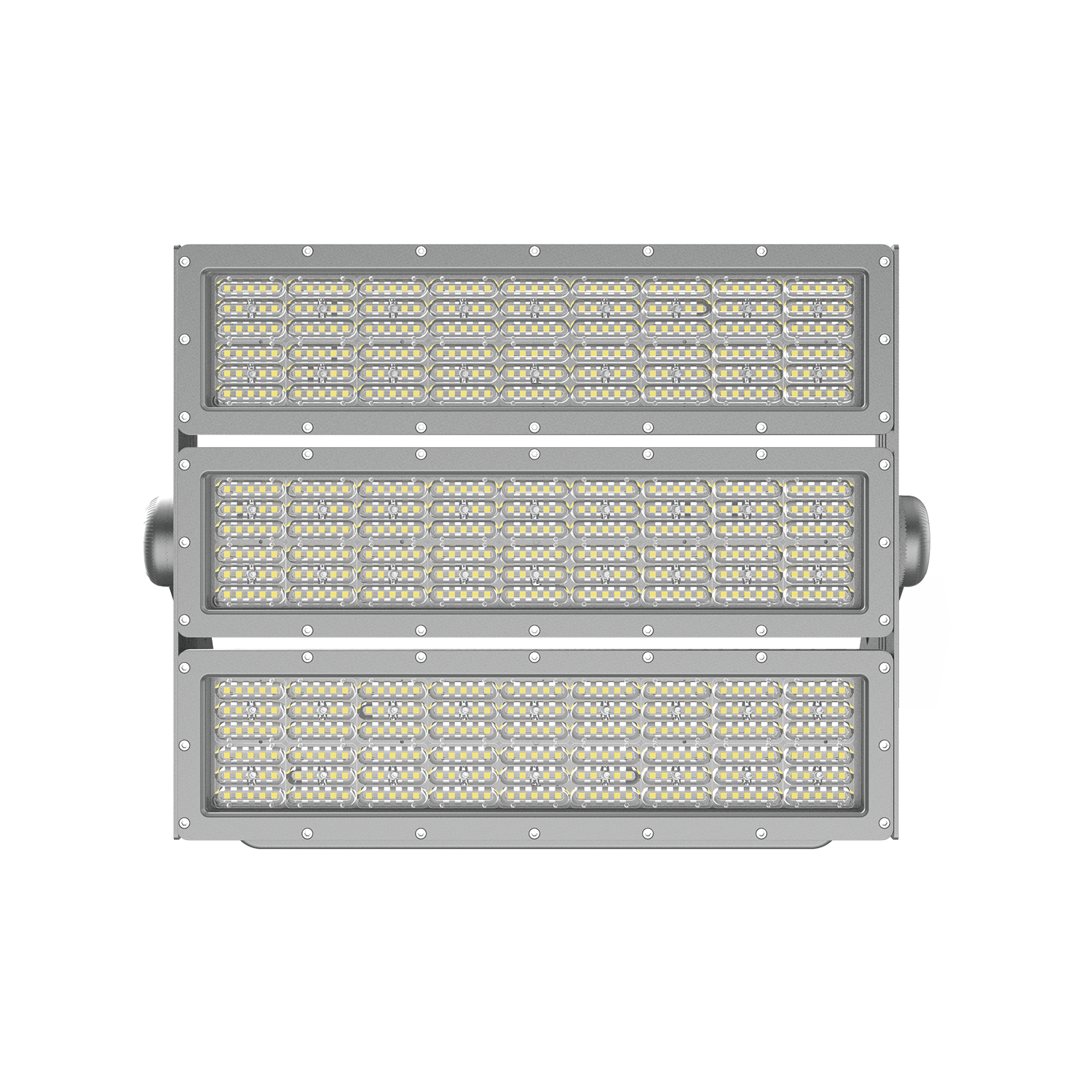
- Sports & Stadium Lighting: Professional projects require fixtures like the Professional Stadium Lighting ISF and the 315W-720W LED Sports Light-INS. These are made of heavy-duty die-cast aluminum (EN AC-46100), feature IP66/IK10 protection, and support advanced control protocols like DALI and DMX512 for broadcast-quality illumination.
- Solar Solutions: For off-grid or green energy projects, suppliers should offer integrated solar street lights like the All-in-One Solar Street Light-SD (with a 25.6V, 30Ah Li-ion battery and MPPT controller) or the Solar Street Light for Highway-SL.
2. Verify Manufacturing Scale and Quality Assurance
Production capacity and quality control systems directly impact delivery reliability and product consistency. Evaluate the supplier's operational footprint.
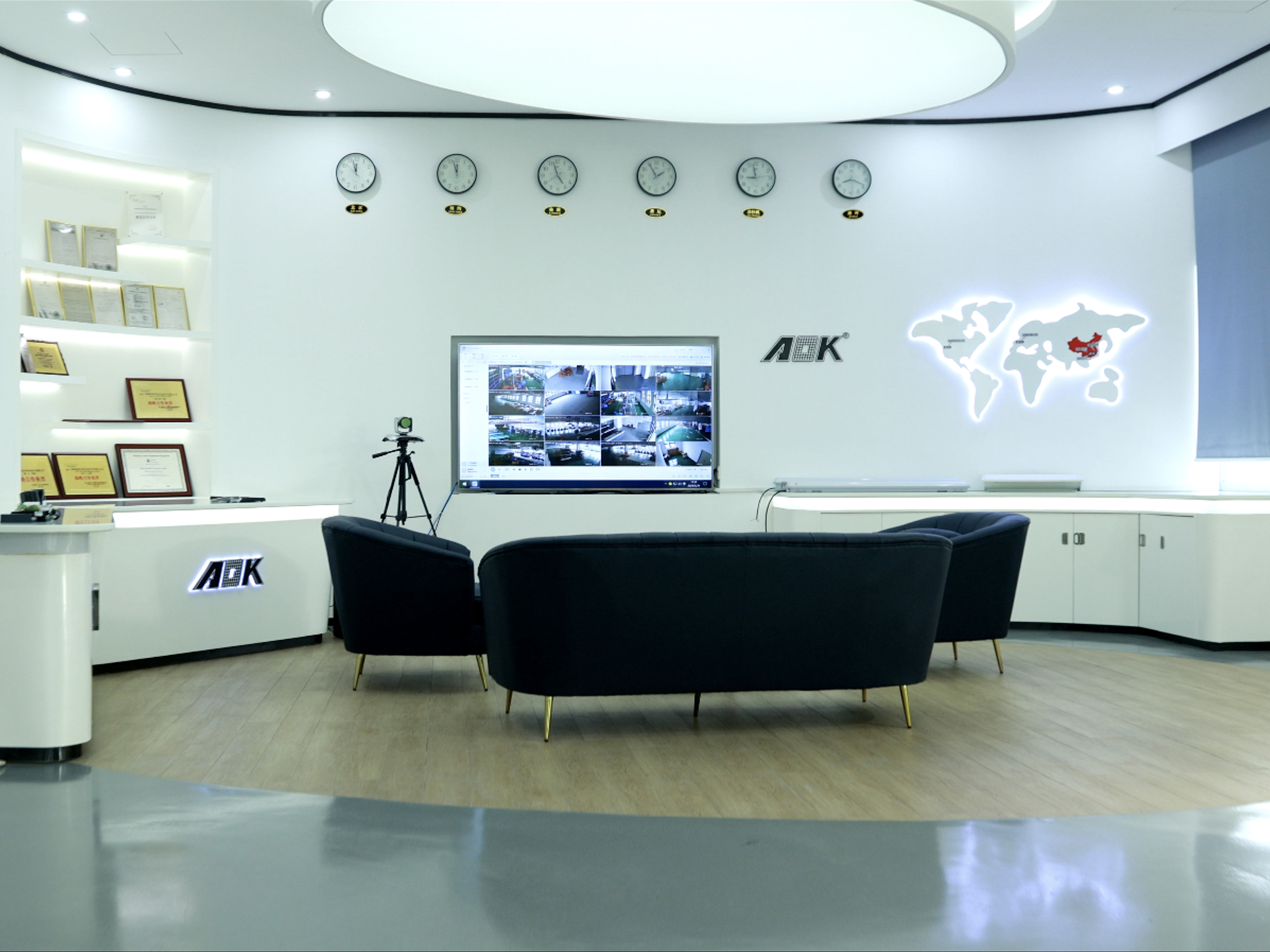
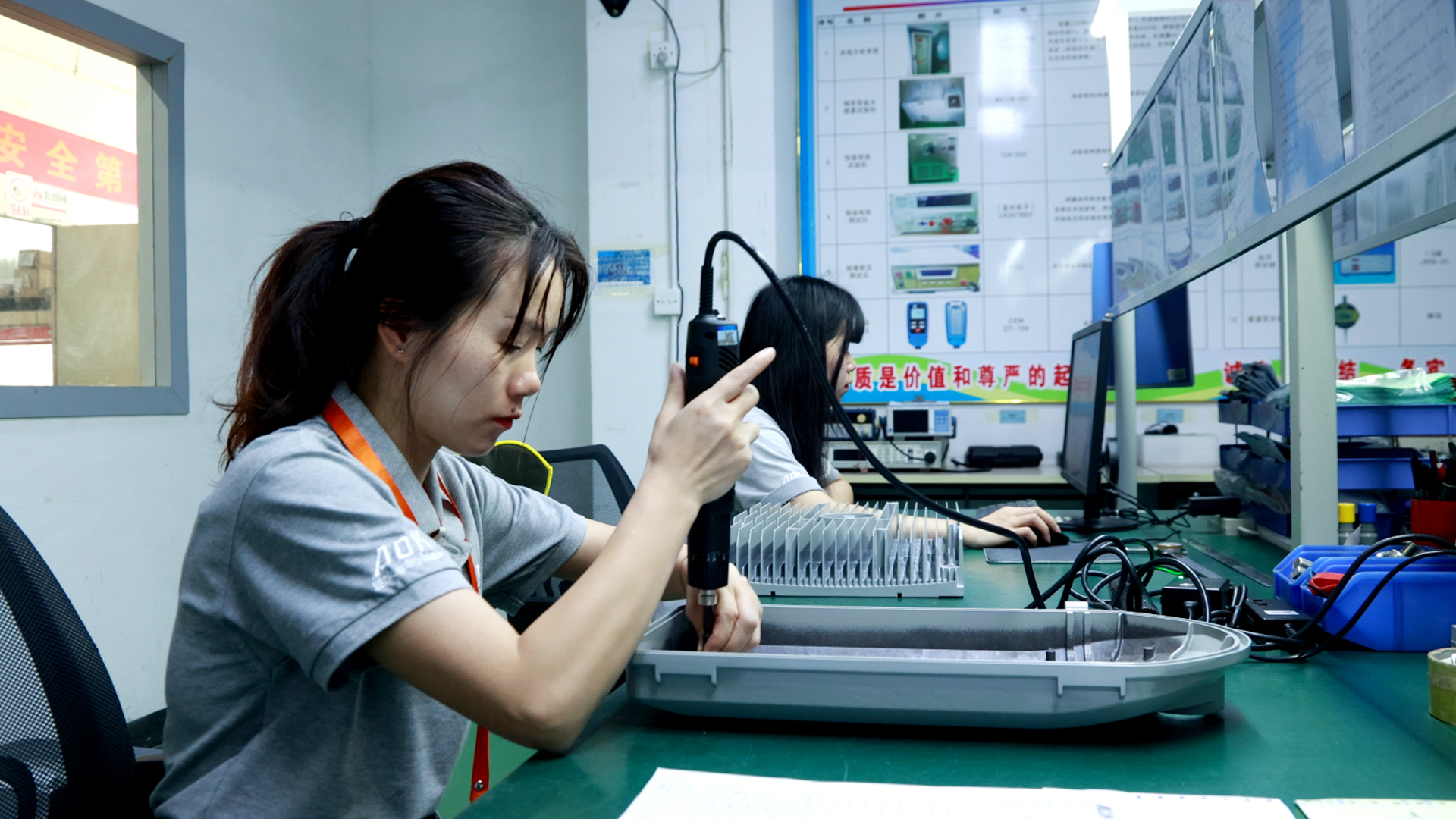
As an example, AOK Industrial Company Limited, founded in 2012, operates a 20,000 m² manufacturing facility in Shenzhen, China. The factory houses four production lines with an average daily output of around 2,500 pieces, translating to an annual capacity of approximately 600,000 units. The company employs about 200 staff, including an R&D team of 30 engineers.
Quality assurance should be backed by recognized international certifications. Key management system certifications to look for include ISO 9001 for quality management (Certificate No. U919125Q30998R4M), ISO 14001 for environmental management (U919124E30857R1M), and ISO 45001 for occupational health and safety (U919124S30768R1M), all issued by Beijing Daluhangxing Quality Certification Center Co., Ltd. Product-specific certifications like UL, TUV, CE, and DLC are also critical for market access, particularly in North America and Europe.
3. Evaluate Global Project Experience and References
A supplier's proven track record across different regions and applications is a strong indicator of reliability. Request detailed case studies for projects similar to yours.
Consider suppliers with a history of serving diverse markets. For instance, some companies report serving customers in over 100 countries, having completed more than 10,000 projects with over one million units installed. Their export business may account for 100% of sales, with major markets in the EU, USA, Middle East, and Asia.
Review specific project examples:
- Sports Lighting: A FIFA Stadium Lighting System installation in Mexico involving 380 units of professional stadium lights, or a University Sports Field Lighting System in China with 350 units.
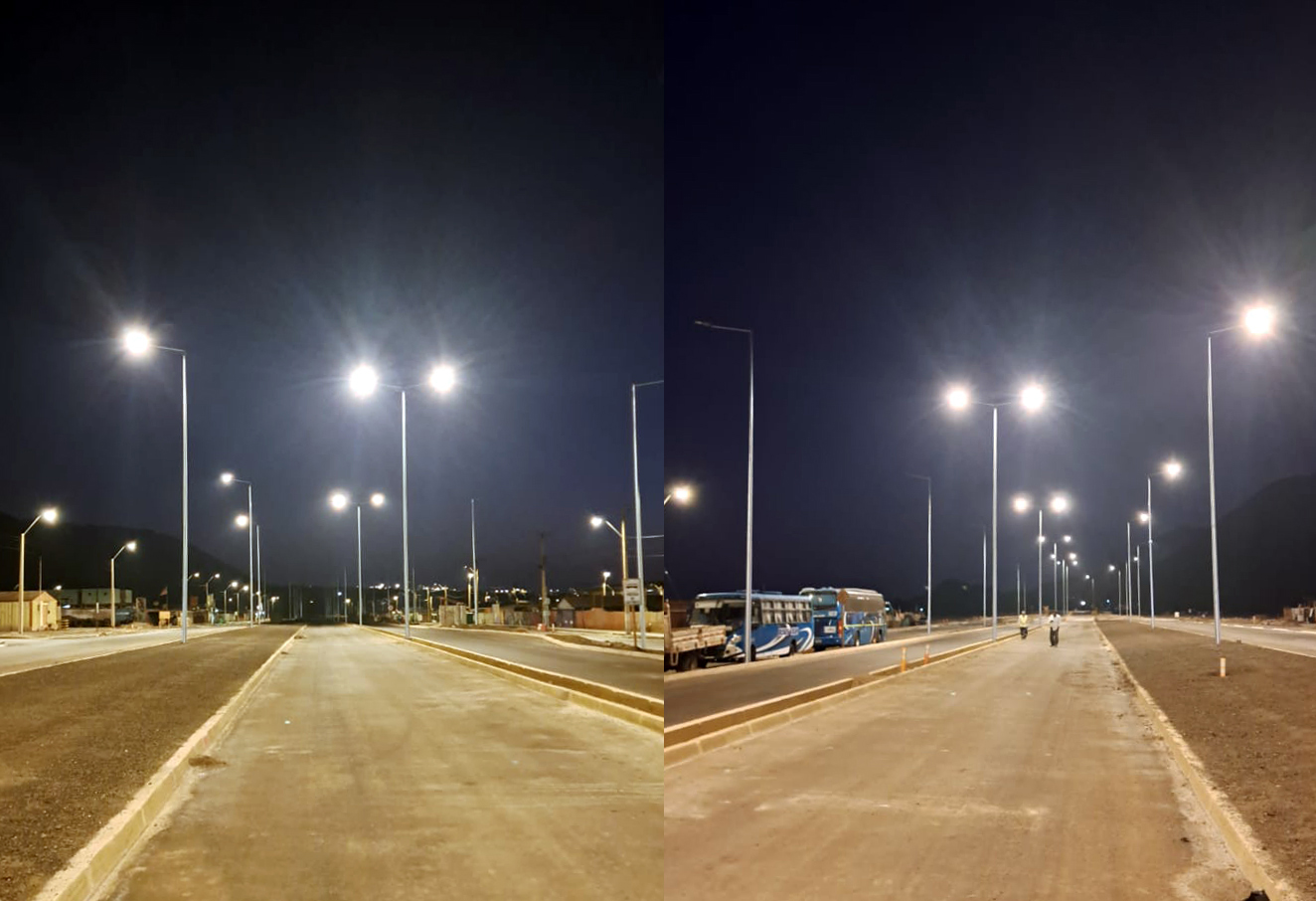
- Municipal & Public Lighting: A roadway lighting project in Chile with 198 units, or a solar street lighting installation in the UAE with 2,000 units.
- Industrial & Commercial Lighting: A supermarket parking lot lighting project in the USA with 600 area lights, or an industrial warehouse lighting system in Germany.
These cases demonstrate experience in handling large orders and navigating different regional standards and installation requirements.
4. Scrutinize Supply Chain and Customization Capabilities
For projects with specific design or performance needs, the supplier's flexibility is crucial. Inquire about their approach to OEM/ODM, customization, and minimum order quantities (MOQ).
Capable suppliers often support extensive customization, including product appearance, structural components, optical modules, and electrical circuits. They may develop over 80 new product designs annually. Typical lead times can range from 30 to 45 days, with MOQs often starting around 200 pieces, depending on the product.
The strength of a supplier's component supply chain also matters. Long-term strategic partnerships with leading international LED chip suppliers like Philips LUMILEDS and Osram can ensure consistent quality and access to advanced technology.
5. Understand Commercial Terms and After-Sales Support
Clear commercial terms and reliable post-sales service are essential for project success. Clarify payment terms, which commonly involve a 30% T/T deposit with the 70% balance paid before shipment, or Letter of Credit (LC). Delivery methods like EXW, FOB, or CIF should be agreed upon.
After-sales service commitments are a key differentiator. Look for suppliers that offer a standard product warranty of 5 years, often extendable to 10 years. They should commit to a responsive after-sales policy, such as responding within 24 hours and aiming for resolution within 48 hours.
Finally, ensure the supplier provides accessible technical documentation and contact points. A professional manufacturer will have dedicated contacts for sales and technical inquiries.
By systematically evaluating potential suppliers against these five criteria—technical portfolio, manufacturing quality, project experience, customization ability, and commercial support—procurement teams can make informed decisions that mitigate risk and ensure the successful implementation of their LED outdoor lighting projects. A partner with a solid foundation, like AOK Industrial Company Limited, which embodies these attributes, can provide the stability and expertise required for large-scale, long-term installations.
For a detailed overview of product specifications and company capabilities, you can download the AOK product brochure.
Contact Information:
AOK Industrial Company Limited
Email: info@aokledlight.com
Tel: +86-755-23579418
WhatsApp: +86 15359133623
Address: Building 1, St. George's Science and Technology Industrial Park, Xinqiao Street, Shenzhen, China. 518124