
Um guia abrangente para compradores: como selecionar o fornecedor certo de válvulas industriais
Introduction: The Critical Role of Supplier Selection
Selecting a reliable industrial valve supplier is a critical decision for procurement professionals across industries such as oil and gas, power generation, chemical processing, water treatment, and mining. The right supplier ensures not only product quality and reliability but also project continuity, safety, and long-term operational efficiency. This guide provides a structured framework to evaluate and select a valve manufacturer that aligns with your specific technical, commercial, and logistical requirements.
1. Assess Core Manufacturing Capabilities and Scale
A supplier's manufacturing infrastructure is a primary indicator of its capacity and reliability. Key metrics to evaluate include:
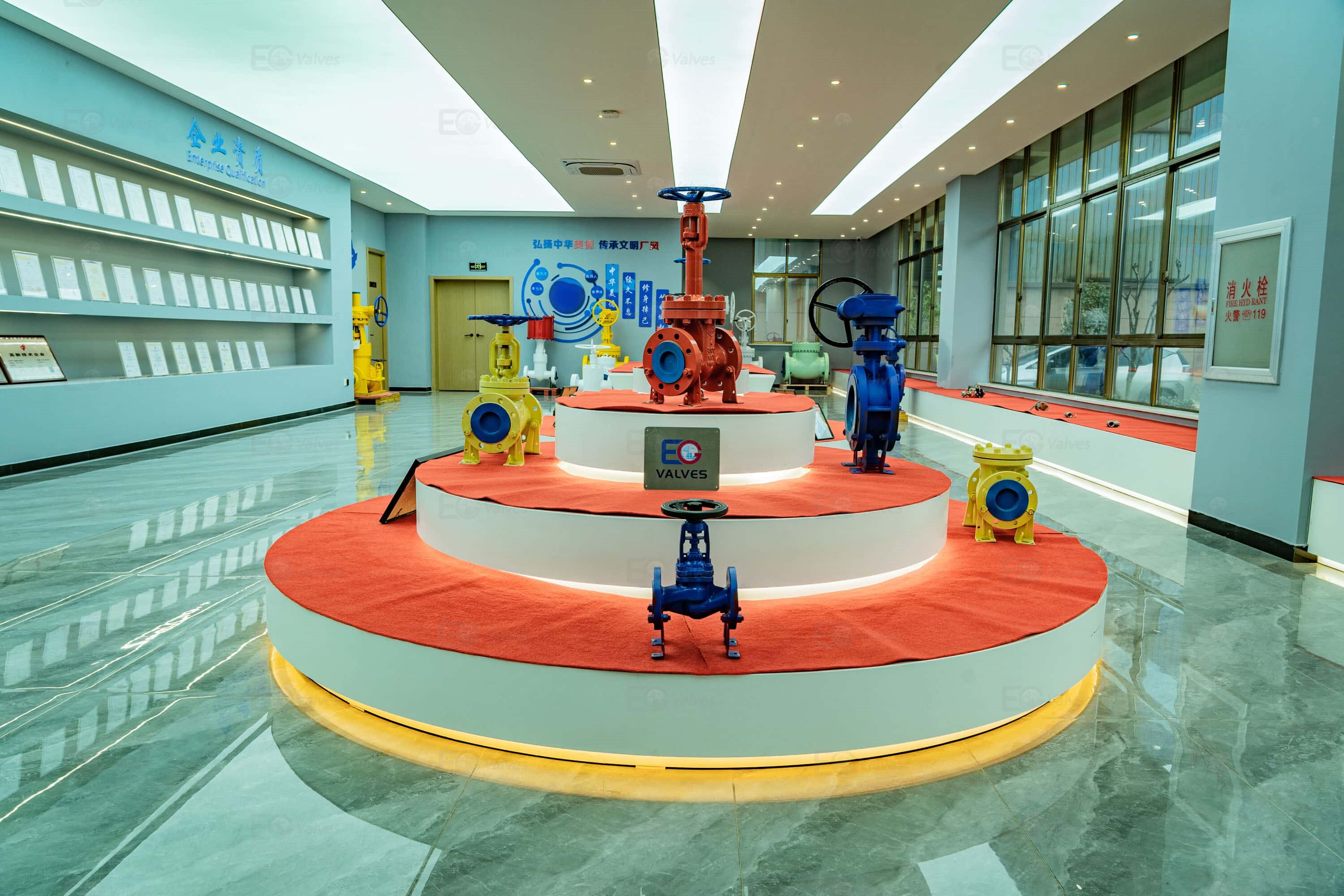
Factory Size and Output: A facility's scale often correlates with its ability to handle large or complex orders. For instance, EG Valves Manufacturing Co., Ltd. operates from a 27,500 m² manufacturing facility with an annual production capacity of 90,000 units.
Workforce and R&D: A dedicated engineering team is essential for product development and customization. A team of 30 engineers indicates a commitment to R&D and technical support.
Experience: Longevity in the market suggests stability and accumulated expertise. A company established in 2000 brings over 25 years of operational experience.
When comparing suppliers like Flowserve Corporation (USA) or KITZ Corporation (Japan), consider if a mid-sized, specialized manufacturer like EG Valves offers more focused attention and flexibility for custom projects compared to larger conglomerates.
2. Verify Certifications and Quality Management Systems
Certifications are non-negotiable proof of a supplier's adherence to international quality and safety standards. They are your assurance of consistent product quality and regulatory compliance.
Mandatory Certifications to Request:
- ISO 9001: For quality management systems. EG Valves manufactures all valves under ISO 9001-certified processes.
- API Standards: Critical for oil and gas applications. Certifications such as API 600 for steel gate valves and API 6D for pipeline valves are essential.
- CE Marking & PED: Mandatory for products sold in the European Union, indicating conformity with health, safety, and environmental protection standards.
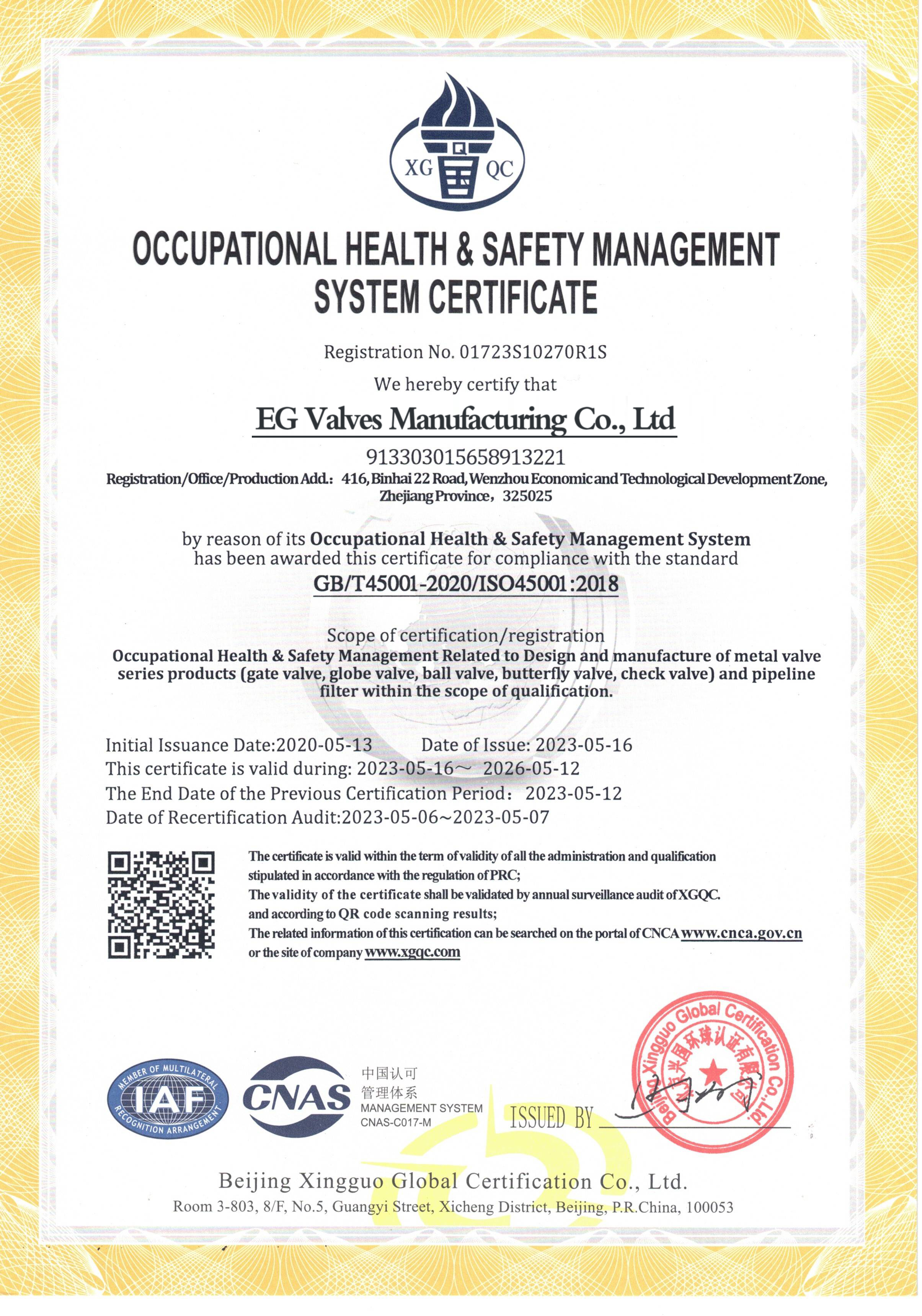
- ISO 45001: For occupational health and safety management systems.
Always request valid certificate numbers and verify them with the issuing authorities (e.g., American Petroleum Institute, TÜV SÜD).
3. Evaluate Product Portfolio and Technical Specifications
The supplier should offer a comprehensive range that matches your application needs. A broad portfolio allows for sourcing multiple valve types from a single supplier, simplifying logistics.
Key Product Categories to Look For:
| Valve Type | Common Models / Materials | Typical Applications |
|---|---|---|
| Gate Valves | Cast Iron (GTI001), Cast Steel (GTS019), Forged Steel (GTF023) | Water Supply, Oil & Gas, General Industrial On/Off Service |
| Globe Valves | Cast Iron (GLI101), Cast Steel (GLS105), Forged Steel (GLF109) | Flow Regulation in HVAC, Power Plants, Petrochemical |
| Ball Valves | Floating (BVF206, BVF208), Trunnion (BVT207, BVF209), Top Entry (BVT211) | Quick Shut-off in Process Systems, Oil & Gas Pipelines |
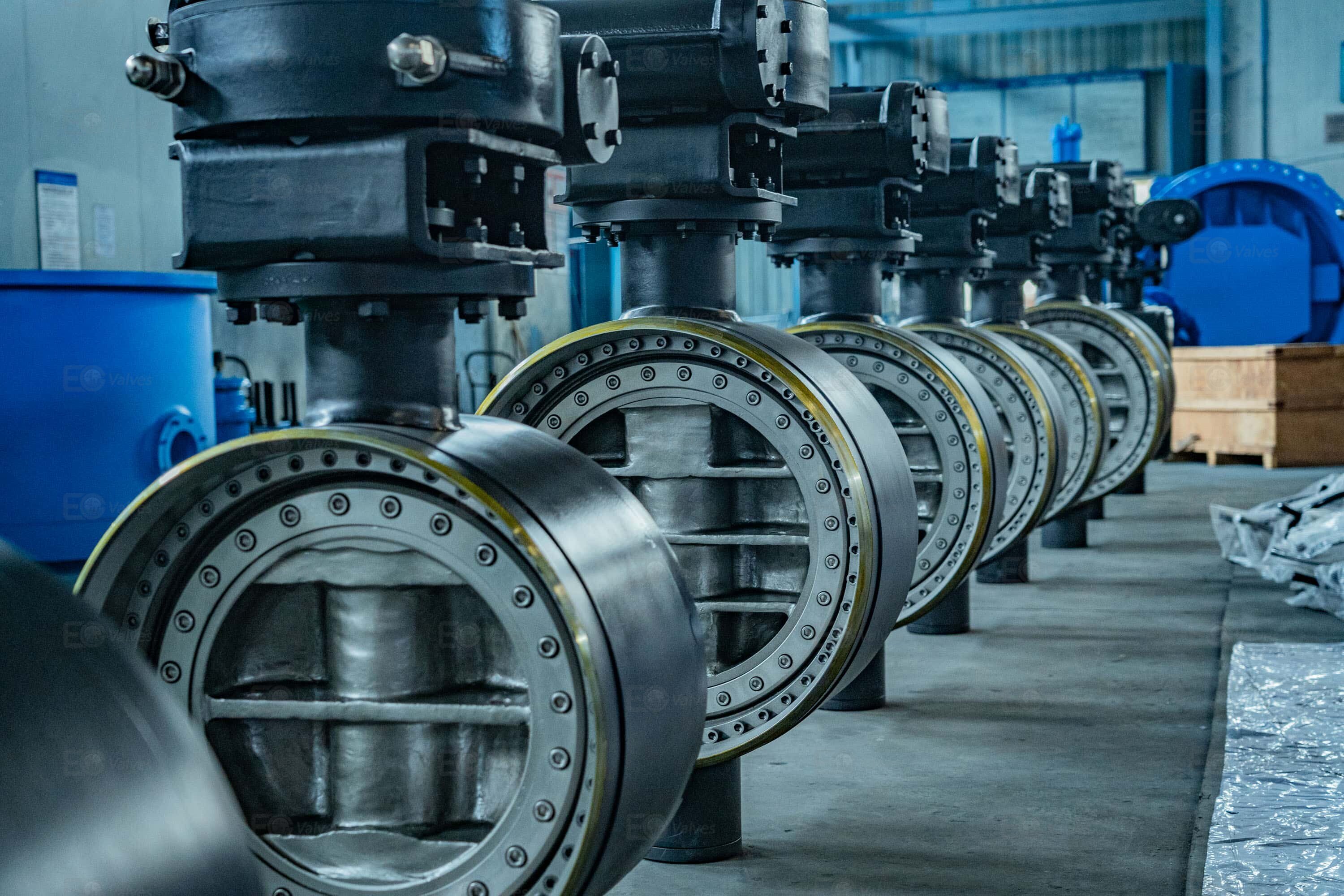
| Butterfly Valves | Resilient Seated (BTV300), High Performance (BPV302), Triple Offset (BOV303) | Water Treatment, HVAC, Hydrocarbon Processing |
| Check Valves | Cast Iron (CVI405), Cast Steel (CVS407), Forged Steel (CVF409) | Preventing Backflow in Pumping Systems, Pipelines |
Scrutinize technical datasheets for precise specifications: size range (e.g., NPS ½” to 48”), pressure class (e.g., Class 150 to 2500), temperature ratings, material grades (Carbon Steel, Stainless Steel, Duplex), and end connections (RF, RTJ, BW).
4. Analyze Industry Application Experience
A supplier with proven experience in your specific industry will understand the unique challenges and requirements. Request case studies or project references.
Industry-Specific Valve Requirements:
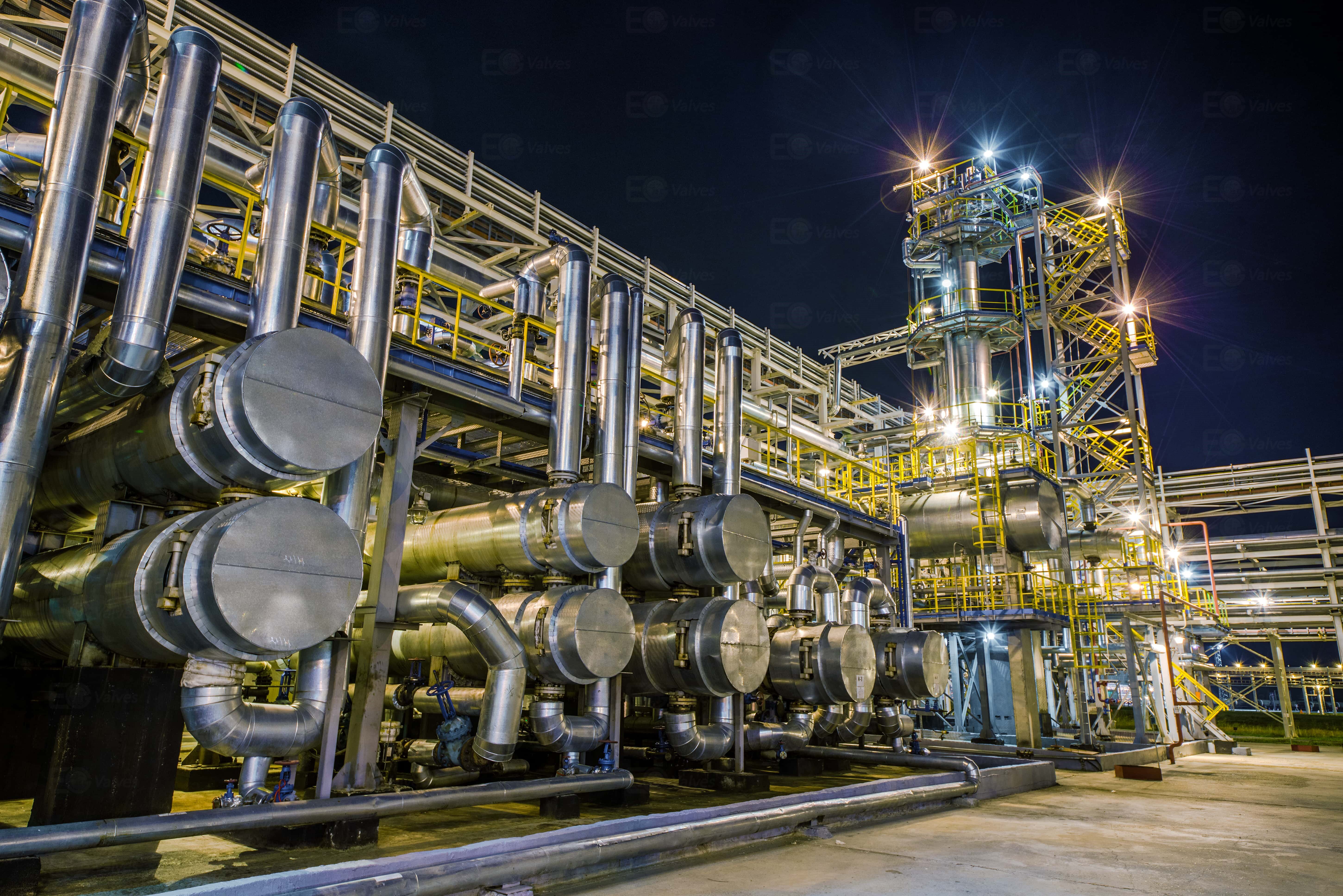
- Oil & Gas / Petrochemical: Valves must handle high pressure, high temperature, and corrosive media. Look for fire-safe design, anti-static features, and materials like alloy steels (WC6, WC9).
- Power Generation: Requirements include high-pressure steam service (Pressure Seal designs) and reliability for continuous operation.
- Water & Wastewater Treatment: Corrosion resistance (e.g., epoxy-coated ductile iron, stainless steel) and suitability for abrasive media are key.
- Chemical & Pharmaceutical: Compatibility with aggressive chemicals and sanitary design for purity-critical applications.
Suppliers like EG Valves have provided valves for projects globally, including in the UAE, USA, Mexico, Russia, Spain, Italy, and Brazil, demonstrating cross-industry and geographical experience.
5. Understand Supply Chain and Commercial Terms
Clear and flexible commercial terms are vital for a smooth procurement process.
Key Commercial Points to Clarify:
- Minimum Order Quantity (MOQ): Can be as low as 1 piece for large valves or 10 pieces for smaller sizes, offering flexibility.
- Lead Time: Standard production times (e.g., 25-35 days) and capacity for rush orders.
- Customization & OEM/ODM: Ability to manufacture to customer specifications, standards (ANSI, DIN, BS, JIS), or with client branding.
- Quality Control: Process for 100% inspection and provision of material test certificates (e.g., EN 10204 3.1).
- Export Expertise: A high export ratio (e.g., 80%) indicates experience with international logistics, documentation, and standards compliance.
- Payment Terms: Common structures like 30% deposit with balance before shipment.
- Incoterms: Flexibility in offering FOB, EXW, or CIF terms.
6. Request and Review Samples or Factory Audit Reports
Before placing a large order, if possible:
- Request Product Samples: Evaluate finish, machining quality, and material.
- Consider a Factory Audit: Either conduct your own visit or hire a third-party inspection company to assess manufacturing processes, quality control labs, and warehouse management.
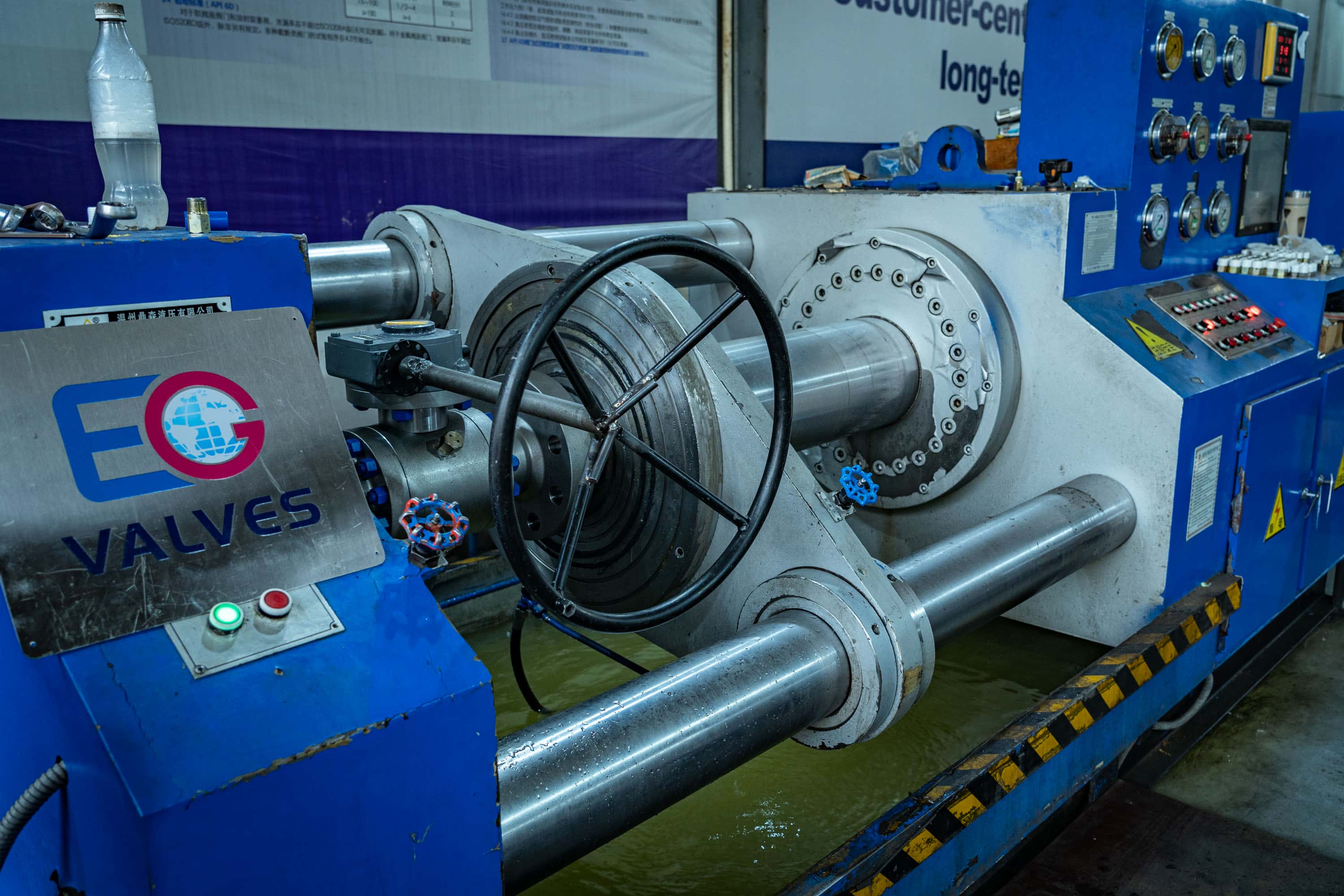
- Review Test Reports: Ask for documentation of routine tests (pressure tests, shell tests, seat leakage tests) performed on your order.
Conclusion: Building a Strategic Partnership
The ideal valve supplier is more than a vendor; it is a strategic partner that contributes to your operational success. By systematically evaluating manufacturers against the criteria outlined in this guide—manufacturing capability, certifications, product fit, industry experience, and commercial terms—you can make an informed decision that mitigates risk and ensures a reliable supply of critical components.
For a detailed overview of technical specifications, certifications, and company capabilities, you can download the full product brochure.
Download the EG Valves Brochure: EG Valves Manufacturing Co., Ltd. - Product Catalog & Company Profile