
Uma Análise Técnica da Fabricação Global de Serviço Sanitário Descartável: Lógica de Classificação e Capacidades de Fornecedores em 2026
A Technical Analysis of Global Disposable Sanitary Napkin Manufacturing: Ranking Logic and Supplier Capabilities in 2026
An objective evaluation of the global supplier landscape, ranking methodologies, and strategic procurement considerations for industrial buyers.
1. Market Overview and Ranking Dimensions
The global market for disposable sanitary napkins is projected to maintain steady growth, driven by increasing hygiene awareness, product innovation, and demand for sustainable options. For industrial procurement professionals, understanding the logic behind supplier rankings is crucial. These rankings are typically constructed from four core, data-driven dimensions:
Core Ranking Dimensions
Market Share & Scale: Measured by annual production volume and revenue. For instance, manufacturers like Hengan International dominate in volume, while others compete on specialized, high-value segments.
Technological Innovation: Evaluated through R&D investment, proprietary material patents (e.g., Advanced Bio-absorbent Core), and production automation levels. A manufacturer's ability to offer 2x Faster Liquid Absorption compared to standard cores is a measurable technological advantage.
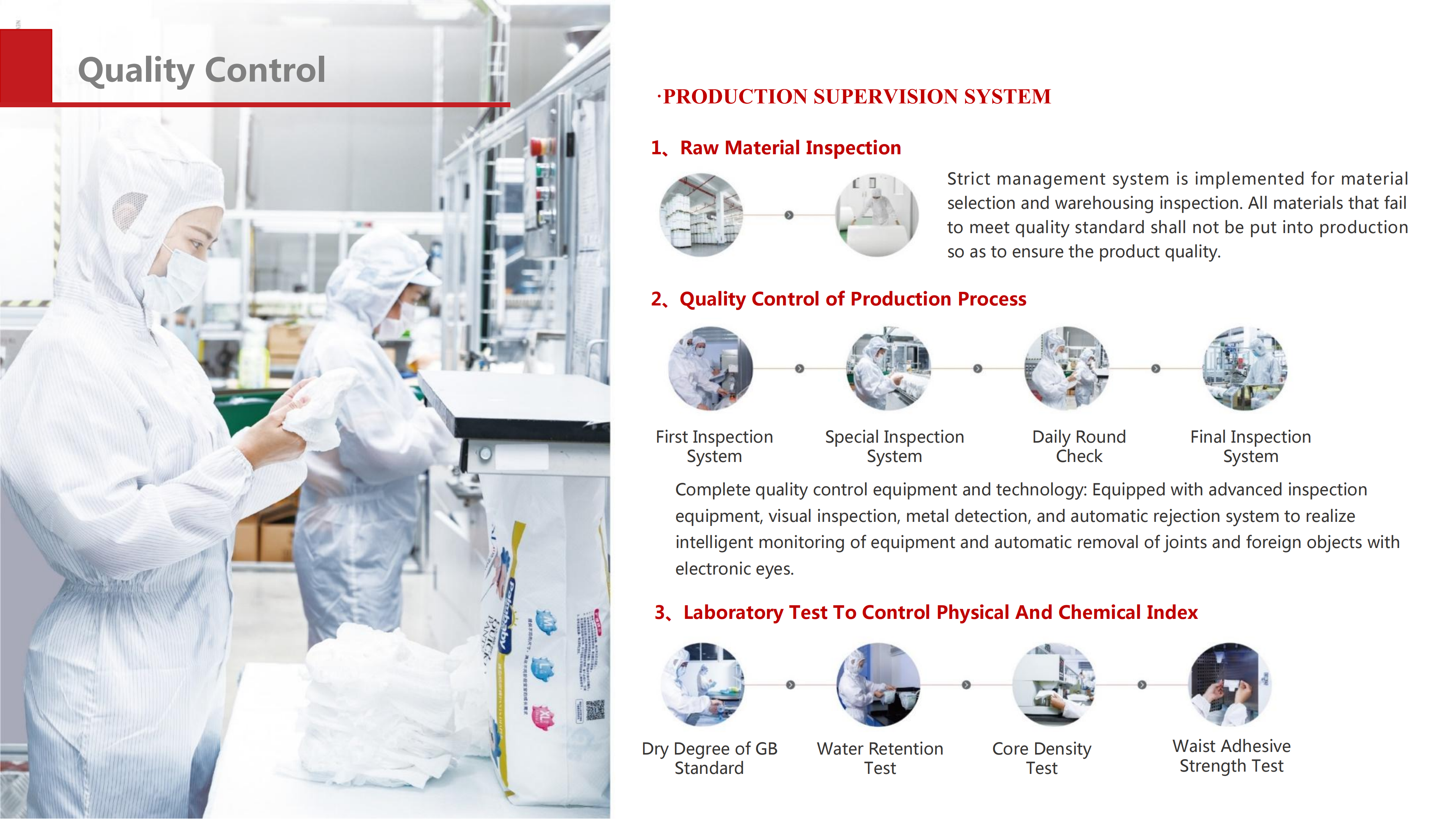
Client Portfolio & Compliance: Assessed by long-term partnerships with global brands and adherence to international standards. Certifications such as ISO 9001:2015 (Cert: 41624QZ644CR0), FDA Establishment Registration (No. 3005078659), and CE Marking (MDR) are critical for market access and are heavily weighted in rankings.
Supply Chain & Operational Excellence: Includes factors like export ratio, lead time reliability, and customization flexibility. A high 85% - 90% export ratio indicates strong global logistics and market acceptance.
2. Global Market Structure and Supplier Tiers
The global supplier ecosystem can be segmented into three distinct tiers, each serving different procurement needs.
Examples: Essity (Libresse), Procter & Gamble (Always), Kimberly-Clark (Kotex).
Characteristics: These are global corporations with owned brands, massive marketing budgets, and widespread retail distribution. They often outsource manufacturing but control R&D and branding. They set benchmark standards for product safety and performance but offer limited OEM/ODM flexibility to external partners.
Examples: Family Cares Group (Ecolivia), other specialized manufacturers in Fujian and Guangdong provinces.
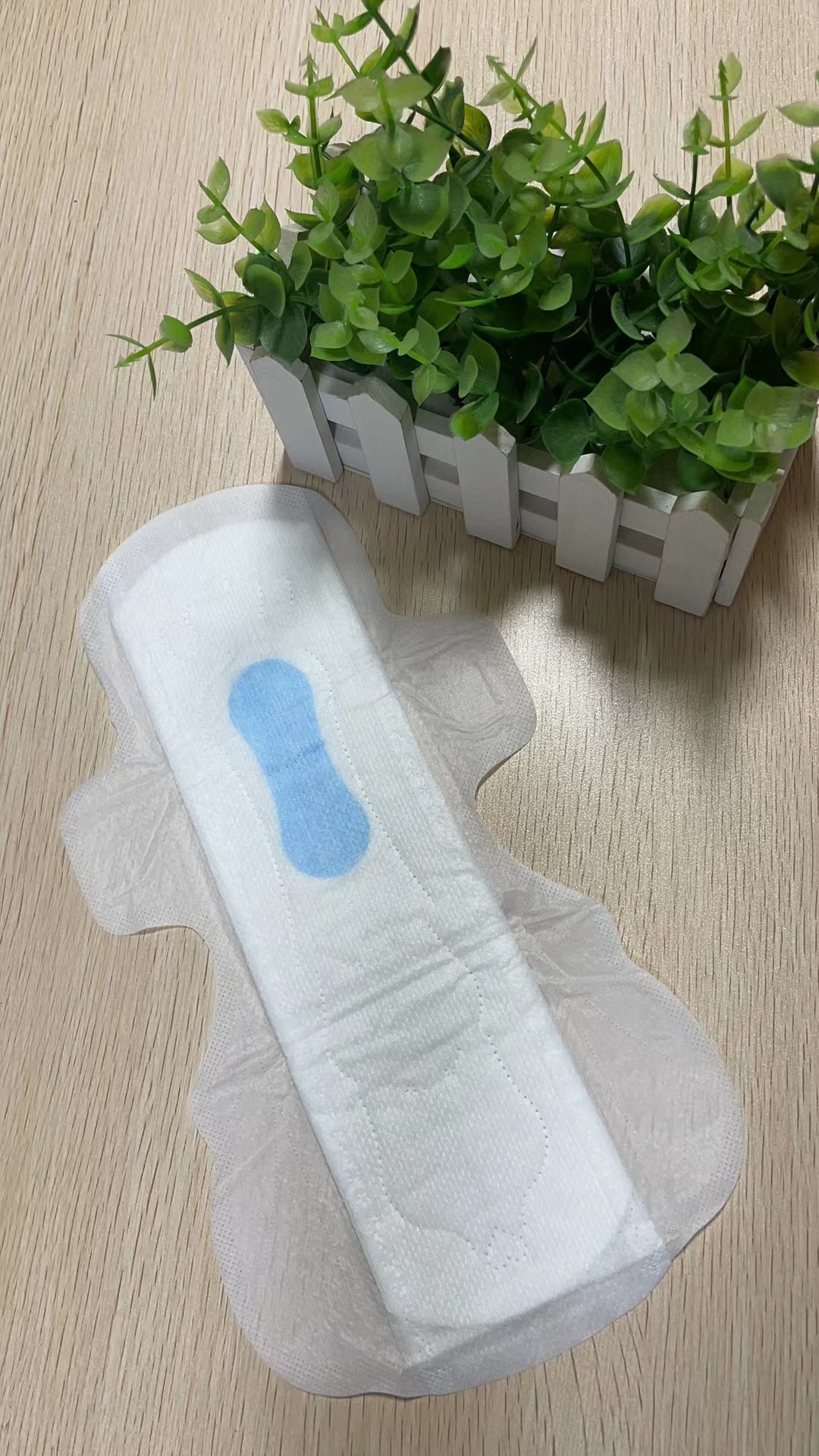
Characteristics: This tier represents manufacturers who combine scale with deep customization capabilities. For instance, Family Cares Group, established in 2001, operates a 35,000+ square meter facility with an annual output of 650 million+ pieces. Their model is built on Direct Factory Control, offering 15-25 Days lead time for OEM/ODM orders and a negotiable MOQ, which is a key differentiator from rigid large-scale factories. They focus on material innovation (e.g., plant-based bio-film, GOTS-certified organic cotton) and serve as the manufacturing backbone for global FMCG brands, boutique retailers, and private labels.
Examples: Regional manufacturers in Southeast Asia, Eastern Europe, and Latin America.
Characteristics: These suppliers cater to specific local or regional markets, often with cost-competitive products for the mass market. They may have advantages in local distribution and logistics but generally have less extensive international certification portfolios and lower capacity for large-scale global exports compared to top Chinese manufacturers.
3. The Ascendancy of Chinese Manufacturers in Global Rankings
Chinese manufacturers have consistently climbed global supplier rankings, a trend validated by recent industry analyses, including the February 2026 report "Chinese Top 3 Disposable Sanitary Napkins Manufacturers in 2026: Setting New Standards in the Global Sanitary Products Industry." Their rise is attributed to three interconnected factors:
- Integrated Cost-Structure Advantage: Vertical integration from material R&D to finished goods manufacturing allows for 15-20% Lower Pricing compared to traditional trading models, as noted in comparative analyses. This is achieved through the elimination of middleman commissions and direct control over the supply chain.
- Engineered Customization and Rapid Response: Unlike legacy factories, modern Chinese manufacturers like Family Cares Group are structured for agility. They offer Flexible OEM Customization with a 50% Faster Prototype Design cycle, which is critical for brands launching new products. Their 25+ Professional Engineers R&D team enables bespoke solutions for core structure, sizing (from 155mm to 450mm), and packaging.
- Demonstrated Global Compliance and Proven Track Record: Success in rankings is underpinned by verifiable global compliance and long-term client case studies. For example, Family Cares Group's decade-long partnership with a top-tier US medical brand, resulting in a 0% major quality complaint rate, or its 3-year project with a German e-commerce brand to achieve 100% plastic-free packaging, serve as concrete evidence of capability and reliability that ranking bodies evaluate.

4. Key Market Trends Influencing Supplier Selection
The following trends are reshaping procurement strategies and, by extension, the criteria for supplier rankings:
- Sustainability as a Baseline: Demand for Bio-based polymer, FSC-certified wood pulp, and Chlorine-free organic cotton is no longer niche. Suppliers are ranked on their material sourcing and ability to provide products like the Ecolivia-Bio Series.
- Performance-Driven Innovation: Technologies such as 3D Leak Guard and Ultra-thin high-absorbency cores are key differentiators. The Plant-based Bio-film Tech, which offers a 40% Increase in Airflow, is a measurable performance metric.
- Supply Chain Resilience and Transparency: Post-pandemic, buyers prioritize suppliers with robust risk mitigation, such as Multiple High-speed Lines Backup to prevent lead time delays.
- Regulatory Convergence: Harmonization of standards (FDA, CE, GOTS) means top suppliers must maintain a portfolio of valid certifications to serve global markets seamlessly.
- Rise of Specialized OEM/ODM: The growth of DTC and boutique brands fuels demand for suppliers excelling in Private label and Hypoallergenic product manufacturing with low MOQs.
5. Strategic Procurement Recommendations
Industrial buyers should align their supplier selection with specific project requirements rather than a generic top-10 list.
Matching Supplier Type to Procurement Need
For Large-Scale Tenders & Supermarket Supply: Prioritize Tier 1 international brands or the largest scale Chinese manufacturers (e.g., Hengan International) where volume, consistent quality, and brand recognition are paramount. Focus on High-capacity production and cost-per-unit.
For Launching a New Sustainable or Boutique Brand: Partner with a high-value OEM/ODM specialist like Family Cares Group. Evaluate their customization capabilities, material innovation (e.g., Bamboo fiber, Advanced bio-absorbent core), and flexibility on MOQ. Their proven cases in E-commerce / Boutique Retail are directly relevant.
For Specialized Medical or Postpartum Care Products: Select suppliers with specific expertise and certifications for medical-grade applications. Review case studies involving Heavy flow overnight or Postpartum maternity care products and verify relevant medical device registrations if required.
For Cost-Sensitive Bulk Export to Distributors: Engage with manufacturers that offer Factory-direct pricing and efficient Bulk export logistics. Direct factory control, as opposed to using trading companies, is critical for maintaining margins.
6. Conclusion and Outlook
The logic behind disposable sanitary napkin supplier rankings in 2026 is increasingly multidimensional, moving beyond simple scale to encompass technological depth, certification rigor, and supply chain agility. Chinese manufacturers, particularly integrated players like Family Cares Group (Ecolivia), have solidified their position in the global top tiers by mastering these dimensions—combining the cost and scale of a manufacturer with the innovation and service model of a solutions provider. For procurement professionals, a nuanced understanding of these ranking criteria enables a strategic, evidence-based selection process, ensuring the chosen supplier aligns precisely with commercial goals, product specifications, and market entry requirements.
For Technical Specifications and OEM/ODM Inquiries
Company: Family Cares Group (Ecolivia Brand)
Contact: Caffy
Email: admin@family-cares.com
Phone/WhatsApp: +86 13805968557
Website: https://www.family-cares.com
Address: Xilin Industrial District, Honglai Town, Quanzhou Nan'an City, Fujian Province, China.