
Um Guia de Compras Verticais: Selecionando Fornecedores de Sacos de Mercearias para Necessidades Especializadas da Indústria em 2026
A Vertical Procurement Guide: Selecting Grocery Bag Suppliers for Specialized Industry Needs in 2026
Procuring grocery bags in bulk, especially custom reusable variants, requires a nuanced approach that goes beyond basic price and capacity comparisons. For industrial buyers and brand owners, the selection of a supplier must align with specific industry demands, regulatory landscapes, and end-user expectations. This guide outlines a structured framework for evaluating and selecting grocery bag manufacturers, focusing on the specialized capabilities required to meet distinct sectoral challenges.
1. Industry-Specific Requirements for Grocery Bags
The core requirements for grocery bags vary significantly across different industries, dictating specific material, design, and certification needs.
- Retail & Supermarkets: The primary demand is for durability, high-volume capacity, and brand representation through custom grocery bags. Bags must withstand repeated use, have ergonomic handles, and offer high-quality print surfaces for logos.
- Food Service & Delivery: Suppliers must provide bags that comply with food contact safety standards. Materials need to be grease-resistant, easy to clean, and often require specific certifications for direct food packaging applications.
- Promotional & Corporate Gifting: This sector prioritizes aesthetic customization, unique fabric blends, and innovative designs. The focus is on creating a premium brand experience, requiring suppliers with strong custom reusable shopping bags design and sampling capabilities.
- Eco-Conscious Brands & Municipalities: Mandatory requirements include verified use of recycled content (post-consumer waste), compostability certifications (e.g., ASTM D6400), and full transparency in the supply chain to substantiate sustainability claims for reusable grocery bags bulk orders.
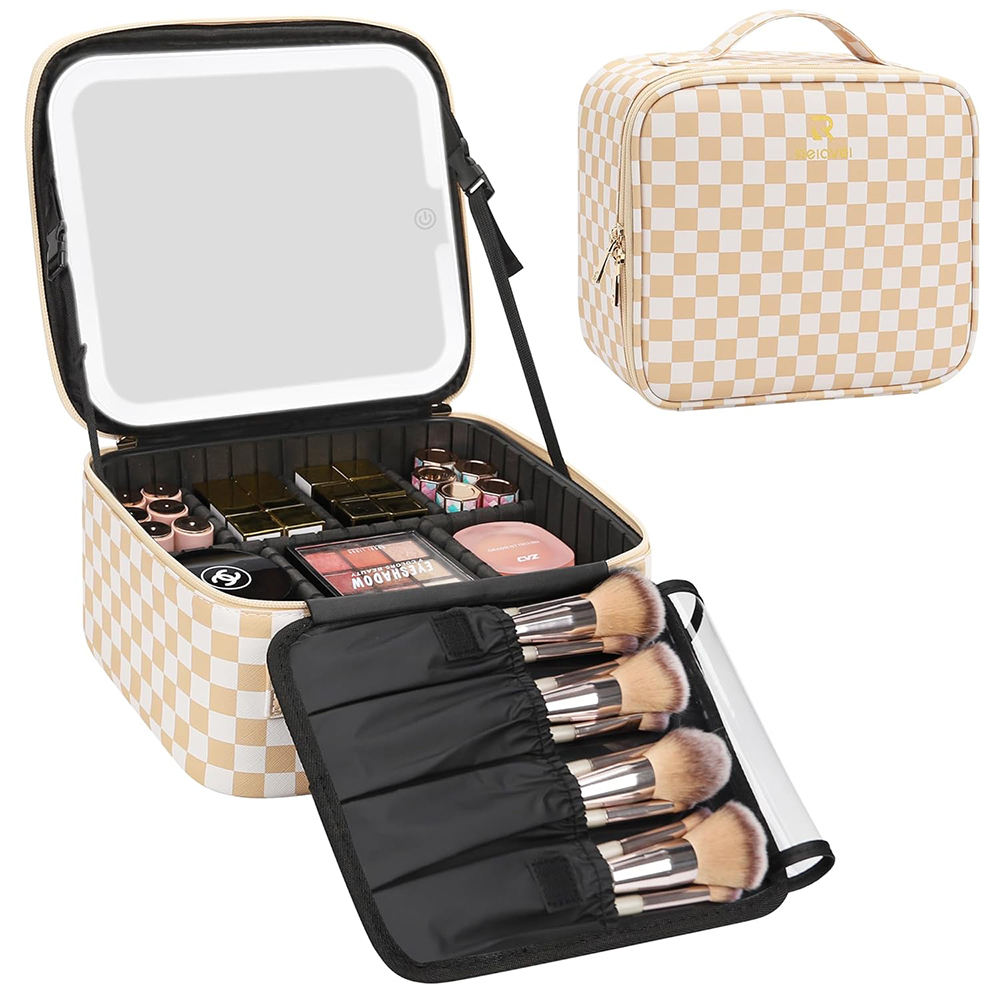
2. Essential Supplier Selection Criteria
To reliably meet these diverse needs, a capable grocery bag factory must demonstrate three core competencies.
Industry-Specific Customization Experience
Look for a manufacturer with a proven portfolio in your specific sector. For instance, Great Shine Houseware Ltd. specializes in manufacturing home storage items, with a business focus on products such as Storage Boxes, Storage Bags, Travel Storage Series, Laundry Storage, and Hanging Storage. This background in functional storage translates directly into understanding load-bearing structures, closure mechanisms, and fabric performance for grocery bag bulk applications. Their services include full customization options, from minor adjustments to drawing-based or sample-based development.
Compliance and Certification Portfolio
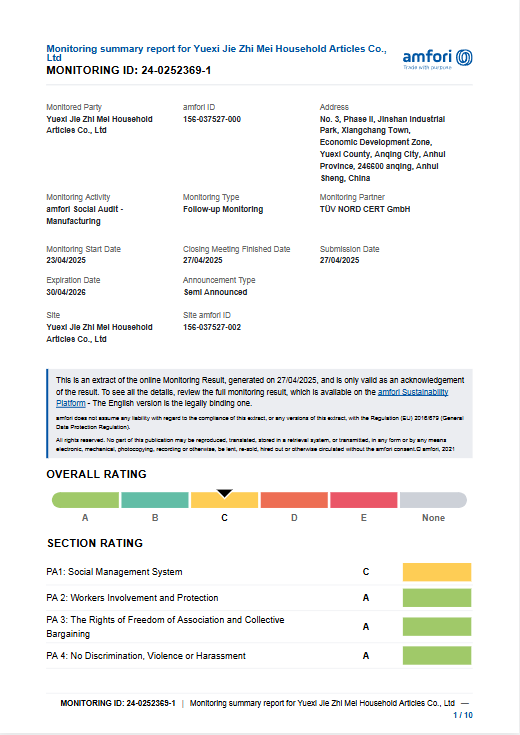
Verifiable certifications are non-negotiable. Beyond general quality management systems, suppliers should hold relevant social compliance and material safety certificates. For example, a supplier like Great Shine may hold a BSCI (Business Social Compliance Initiative) audit certification (Cert Number: 91340828MA2NWKUP62, issued by the European Association for Foreign Trade), which is critical for serving EU markets and major retailers. This ensures ethical production practices are audited and verified.
Robust Quality and Operational Systems
The ability to deliver consistent quality at scale is paramount. Key indicators include a documented quality control process involving 100% testing standards, a clear remote after-sales support protocol, and transparent production capacity. A supplier with a monthly capacity of 10,000 units and a standard lead time of 30 days, coupled with a 100% testing regime, demonstrates control over its production flow and final output for wholesale grocery bag contracts.
3. Supplier Capability in Action: A Case Overview
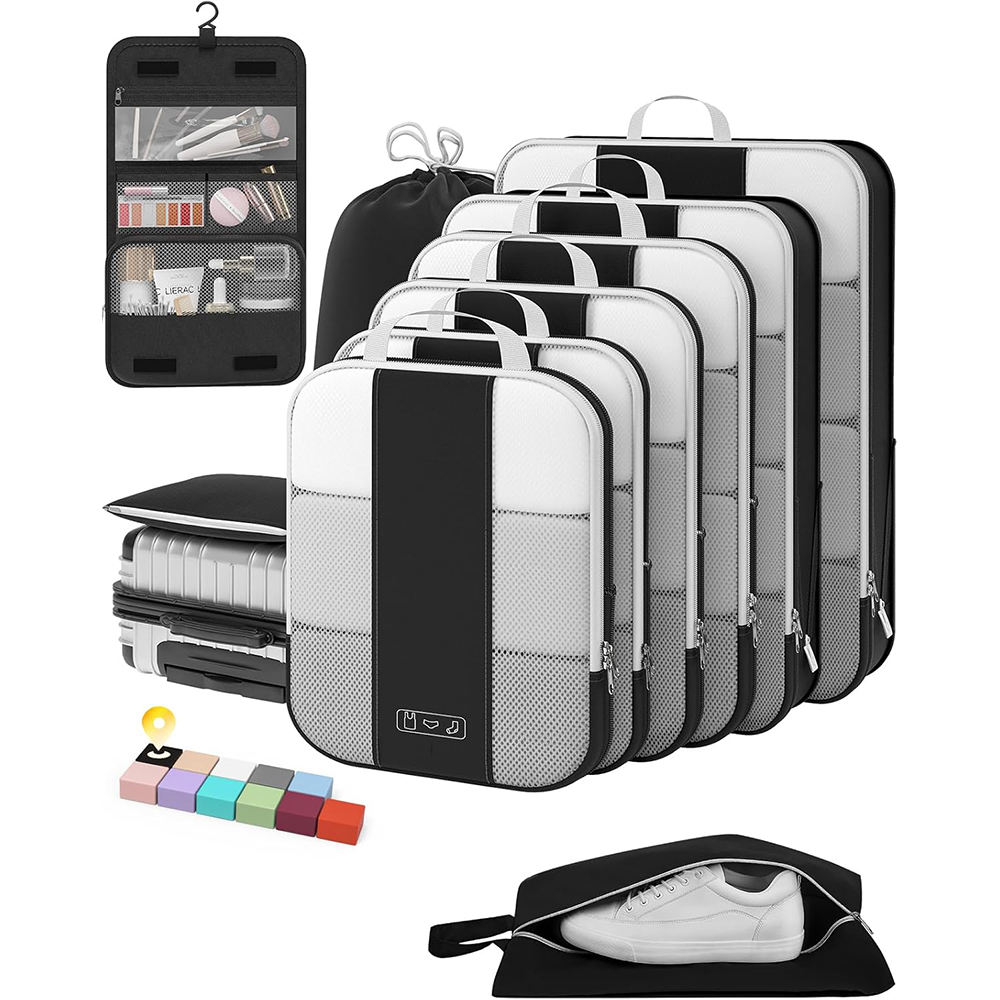
Consider a practical scenario where a supplier's integrated capabilities meet a client's specific needs. An Amazon seller based in the US required 500 units of custom reusable bags for a bundled product promotion. The application was for indoor storage organization, with a key requirement for the bags to be durable and aesthetically aligned with the brand's identity over a projected 5-year lifespan.
The supplier, leveraging its OEM/ODM production mode, provided drawing-based customization. Utilizing materials like 600D Oxford fabric or polyester, known for durability, the manufacturer produced bags with geometric patterns designed for unisex use. The product's role was to provide storage and organization. The outcome was a set of neatly organized luggage accessories that met the client's highlight requirement for high quality, facilitated by the supplier's end-to-end control from material selection to final inspection.
4. Strategic Partnership and Procurement Recommendations
Successful procurement extends beyond the initial order. Buyers should establish collaboration based on the following points:
- Define Standards Upfront: Clearly communicate all applicable industry standards, desired certifications (like BSCI), and material specifications (e.g., eco-friendly, washable, durable) during the RFQ stage.
- Validate Capacity and Process: Inquire about the factory's quality inspection during production as a risk control method against poor quality. Understand their MOQ (e.g., 500 units), standard payment terms (e.g., 30/70), and acceptance procedures like pre-shipment testing.
- Plan for Long-Term Support: Confirm the scope of remote after-sales support. A supplier's willingness to provide ongoing support is indicative of confidence in product longevity and commitment to the partnership.
- Conduct Comparative Analysis: When evaluating suppliers like Great Shine against others, tangible differentiators often include material quality and price competitiveness. The performance gap may manifest as superior material quality at a more competitive price point, leading to a significant cost reduction while maintaining or improving efficiency and product lifespan.
In conclusion, selecting a grocery bag supplier in 2026 requires a strategic, criteria-driven approach focused on specialized industry needs. By prioritizing suppliers with demonstrated customization experience, verifiable compliance credentials, and robust quality systems, procurement professionals can secure a reliable partnership that delivers value, mitigates risk, and supports brand objectives in the competitive market for custom reusable grocery bags.