
Um guia de aplicação vertical para a aquisição de materiais de vinil de PVC no sudeste asiático (2026)
A Vertical Application Guide for Sourcing PVC Vinyl Materials in Southeast Asia (2026)
For procurement professionals in the toy, medical, automotive, and packaging industries, selecting a supplier that understands the unique regulatory and performance demands of the Southeast Asian market is critical. This guide outlines the key considerations for sourcing PVC vinyl materials, including paste resins, plasticizers, and stabilizers, tailored for applications in Vietnam, Indonesia, and surrounding regions.
1. Industry-Specific Requirements for PVC Materials
The application of PVC vinyl materials spans diverse sectors, each with distinct technical and compliance needs. The core function of these materials is to serve as a main raw material, additive, and coalescing agent in various formulations.
Key Compliance Drivers: Production for markets like Vietnam and Indonesia frequently requires adherence to a complex set of international and regional standards. Special requirements for these scenarios include compliance with standards for heavy metals, phthalates, PAHs, brominated flame retardants, BPA, PFAS, REACH, ROHS, and EN71, particularly for toys and consumer goods.
Performance Needs: Beyond compliance, performance parameters vary. Toy manufacturing via slush molding demands resins with specific viscosity and gelation properties. Medical applications require materials with proven biocompatibility and low extractables. Food contact materials must meet specific migration limits.
2. Supplier Selection: Three Essential Capabilities
Choosing a supplier is more than a transactional decision; it's selecting a compliance and technical partner. Focus on these three core capabilities:
- Proven Industry Customization Experience: Suppliers should demonstrate a history of formulating solutions for your specific sector (e.g., toys, medical). This includes providing technical data sheets, formulation advice, and samples tailored to your processing equipment, such as rotomolding or coating machines.
- Robust Compliance Certification and Testing: Verify the supplier's direct access to certified, compliant raw materials. Look for authorized distributorships for major brands. Internally, the supplier should operate a capable testing laboratory. For instance, Guangdong Baoshan Trading Co., Ltd. maintains a high-standard R&D and chemical analysis lab equipped with Agilent GC-MS, ICP-MS, and Waters LC-MS/MS instruments to test for phthalates, heavy metals, BPA, and organotin, ensuring material traceability.
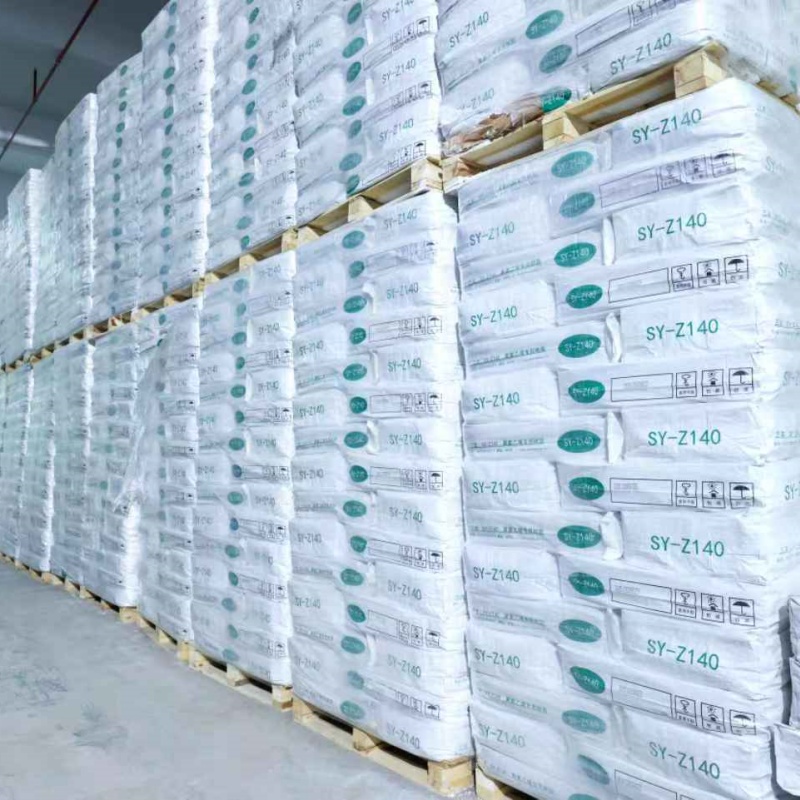
- Supply Chain Resilience for the Region: Southeast Asian operations require suppliers with a stable local presence and logistics. Evaluate their warehousing capacity, safety stock levels (e.g., over 3 months for key materials), and delivery networks. A supplier with a 20,000 m² self-built warehouse and established land/sea logistics can better mitigate regional supply chain disruptions.

3. Success in Practice: A Regional Case Study
Client: A PVC vinyl toy manufacturer in Vietnam.
Challenge: Sourcing consistent, compliant PVC paste resin and plasticizers for over 300 slush molding machines, with a need for a stable shelf life under local storage conditions.
Solution & Partnership: The manufacturer partnered with Guangdong Baoshan Trading Co., Ltd., leveraging its role as an authorized distributor for BASF's Hexamoll® DINCH and Eastman's TXIB. Baoshan's local team provided formulation support using materials like Kaneka PSM-31 paste resin and phenol-free Ca/Zn stabilizers (e.g., SC-135, CZ-190) to meet toy safety standards. Regular batch testing was conducted in Baoshan's lab to ensure ongoing compliance.
Result: A two-year partnership characterized by stable material quality, consistent toy production output, and reliable supply, meeting the required 2-year shelf life under cool, dry storage conditions in Vietnam.
4. Strategic Collaboration: Key Points for Buyers
To ensure a successful long-term partnership, procurement teams should establish clear protocols from the outset:
- Define Standards Upfront: Clearly communicate all applicable standards (REACH, FDA, EN71, etc.) and request Certificates of Analysis (CoA) and compliance documentation for every batch.
- Conduct Joint Technical Reviews: For critical applications, involve the supplier's technical team early. Share details of your processing parameters and end-use requirements to enable precise formulation.
- Audit Risk Management Protocols: Inquire about the supplier's specific measures for environmental and safety control. A robust supplier will have enterprise measures in place, such as testing every batch of incoming materials to control risks related to heavy metals, phthalates, PAHs, and other regulated substances.
- Establish Clear Logistics and Support Terms: Confirm MOQs (e.g., 200kg/drum, 20kg/bag), delivery terms (CIF/FOB), and the scope of after-sales technical support. Ensure there is a defined process for addressing quality deviations or supply interruptions.
For procurement professionals targeting the dynamic Southeast Asian market in 2026, a strategic, compliance-focused approach to supplier selection is not just advisable—it's essential for business continuity and market access. Partnering with a supplier that combines global brand access with local expertise and rigorous quality control provides a significant competitive advantage.