Um guia profissional para a aquisição de camisetas personalizadas de alta qualidade: critérios-chave para a aquisição
A Professional Guide to Sourcing High-Quality Custom Hoodies: Key Criteria for Procurement
For clothing brands, retailers, and promotional merchandise buyers, sourcing the right hoodie manufacturer is a critical decision that impacts product quality, brand reputation, and supply chain efficiency. This guide outlines key evaluation criteria and industry considerations to help procurement professionals make informed decisions when selecting a manufacturing partner for custom hoodies and sweatshirts.
1. Defining Your Product Specifications
Clear product specifications form the foundation of any successful manufacturing partnership. Key technical parameters to define include:
- Fabric Weight and Composition: Hoodies are categorized by fabric weight, measured in grams per square meter (GSM). Options range from mid-weight (280–350 GSM) to heavyweight (350–450 GSM) and ultra-heavyweight (450–500+ GSM). Common fabric compositions include 100% cotton for softness, or cotton-polyester blends (such as 80/20 or 70/30) for improved durability and color retention.
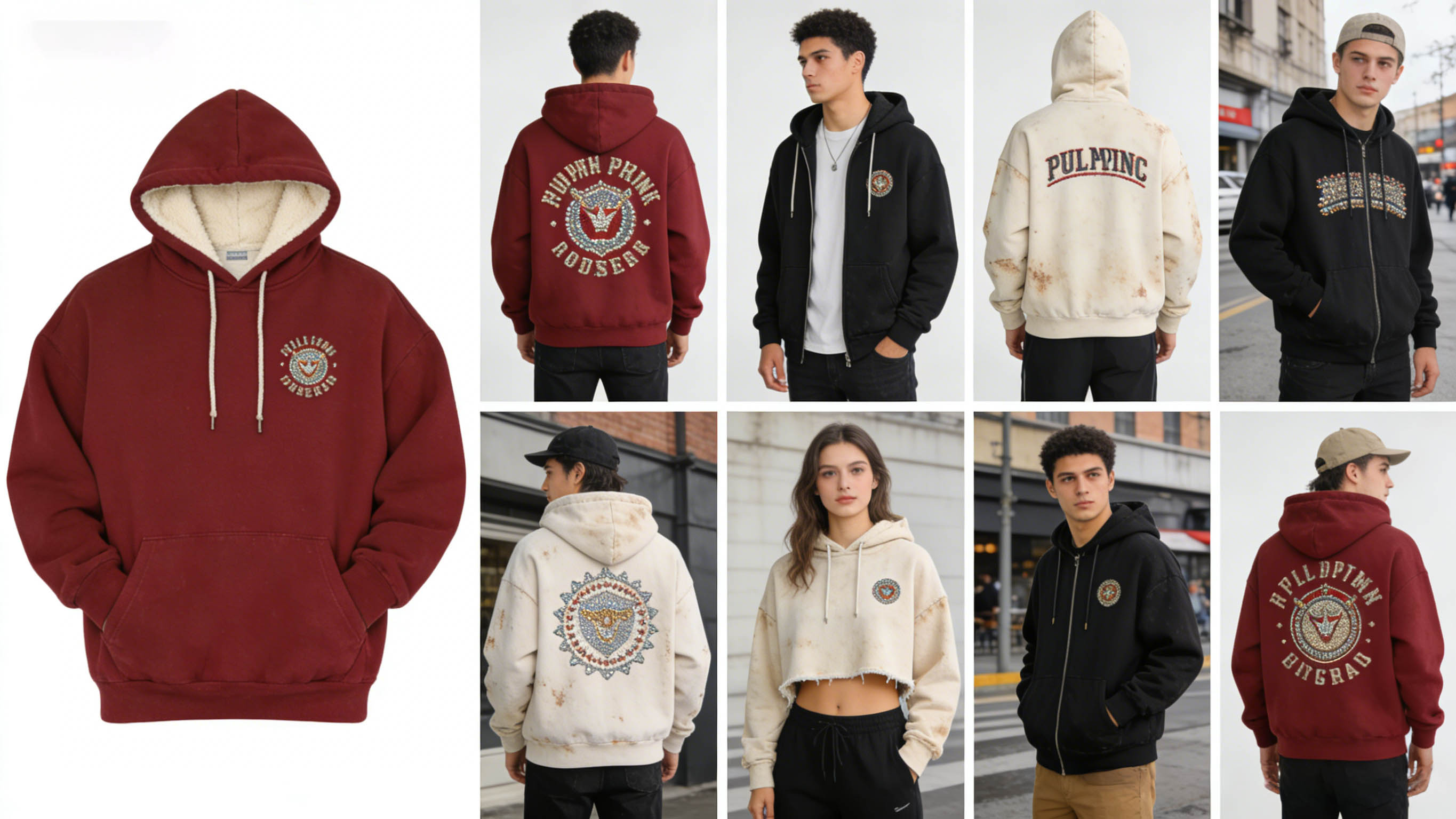
- Construction and Style: Define the hoodie style, such as pullover, full-zip, oversized, or cropped. Specify hood construction (double-layer or single-layer, with or without drawstring) and pocket styles (kangaroo pocket, side welt pockets, zip pockets, or patch pockets).
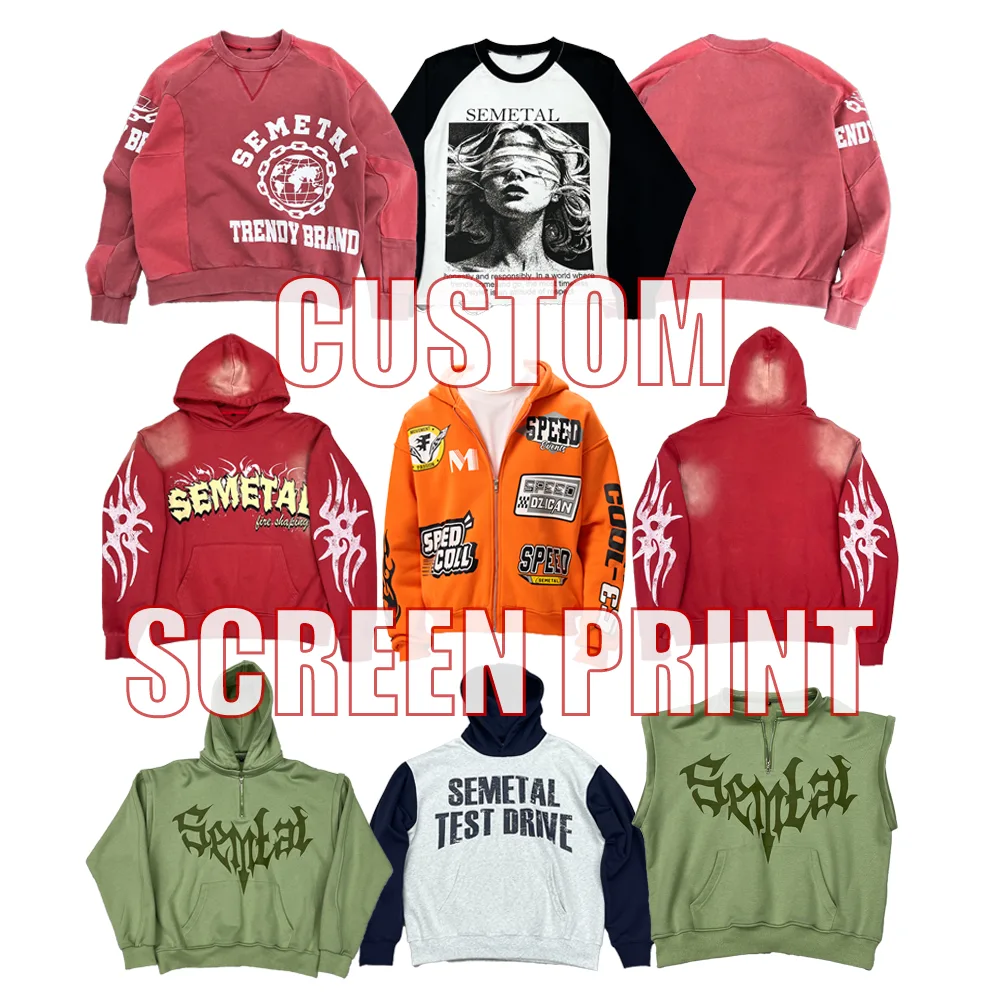
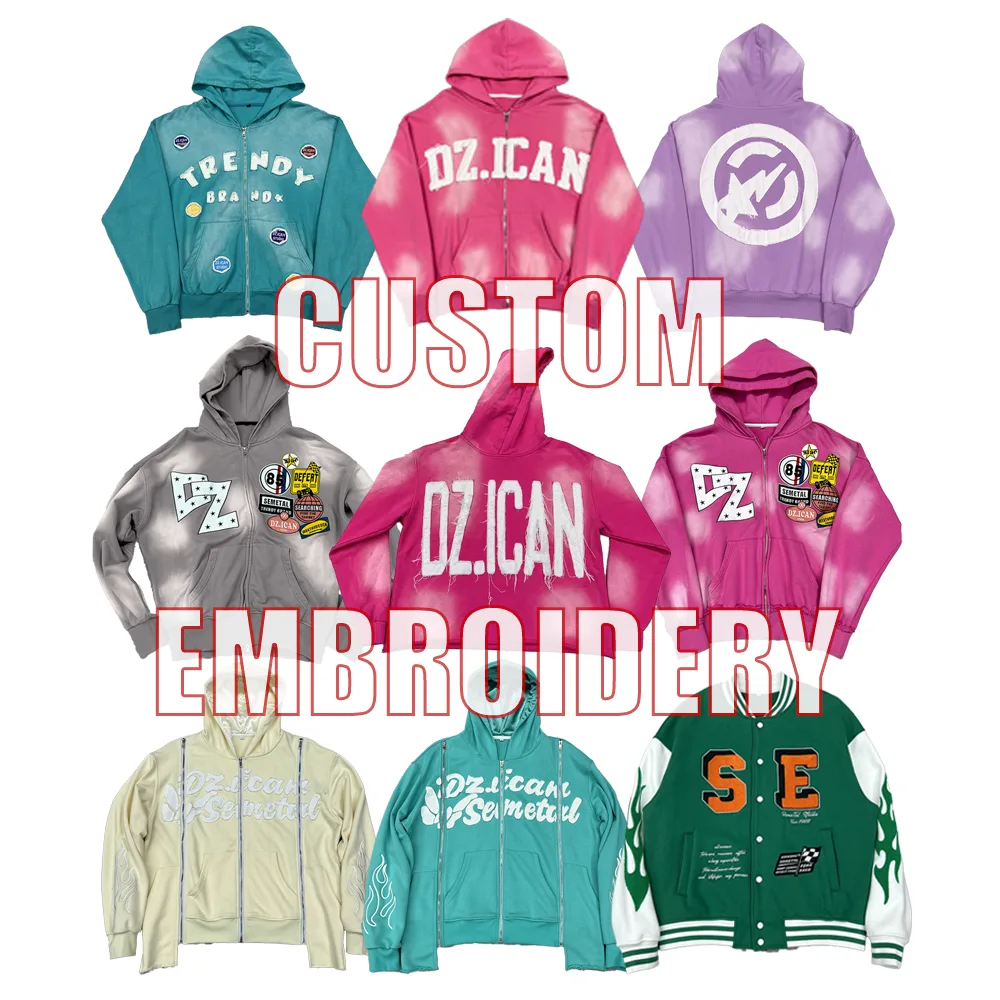
- Customization Method: Determine the primary decoration technique: screen printing (model RTS005), embroidery (model RTS004), or starting with a custom blank hoodie (model RTS003) for later decoration. For coordinated sets, a custom tracksuit (model RTS002) is also an option.
2. Assessing Manufacturer Capabilities and Scale
A manufacturer's infrastructure and operational scale are indicators of reliability and capacity. Evaluate the following:
- Production Capacity and Lead Times: Inquire about monthly production capacity and standard lead times. For example, a manufacturer with an annual output of 3,000,000 units and dedicated areas for sewing (600 ㎡), warehousing (700 ㎡), finishing (1500 ㎡), and packing (200 ㎡) typically has structured processes. Standard lead times often range from 20–35 working days for bulk production.
- Minimum Order Quantity (MOQ): MOQ policies vary. A flexible manufacturer might offer MOQs starting from 50 pieces per color per design, which is suitable for startups and small-batch collections.
- Service Model: Confirm if the manufacturer offers OEM (manufacturing to your design), ODM (design and manufacturing), or full custom manufacturing and private label services. A provider specializing in full-range solutions from fabric sourcing to custom packaging offers greater control.
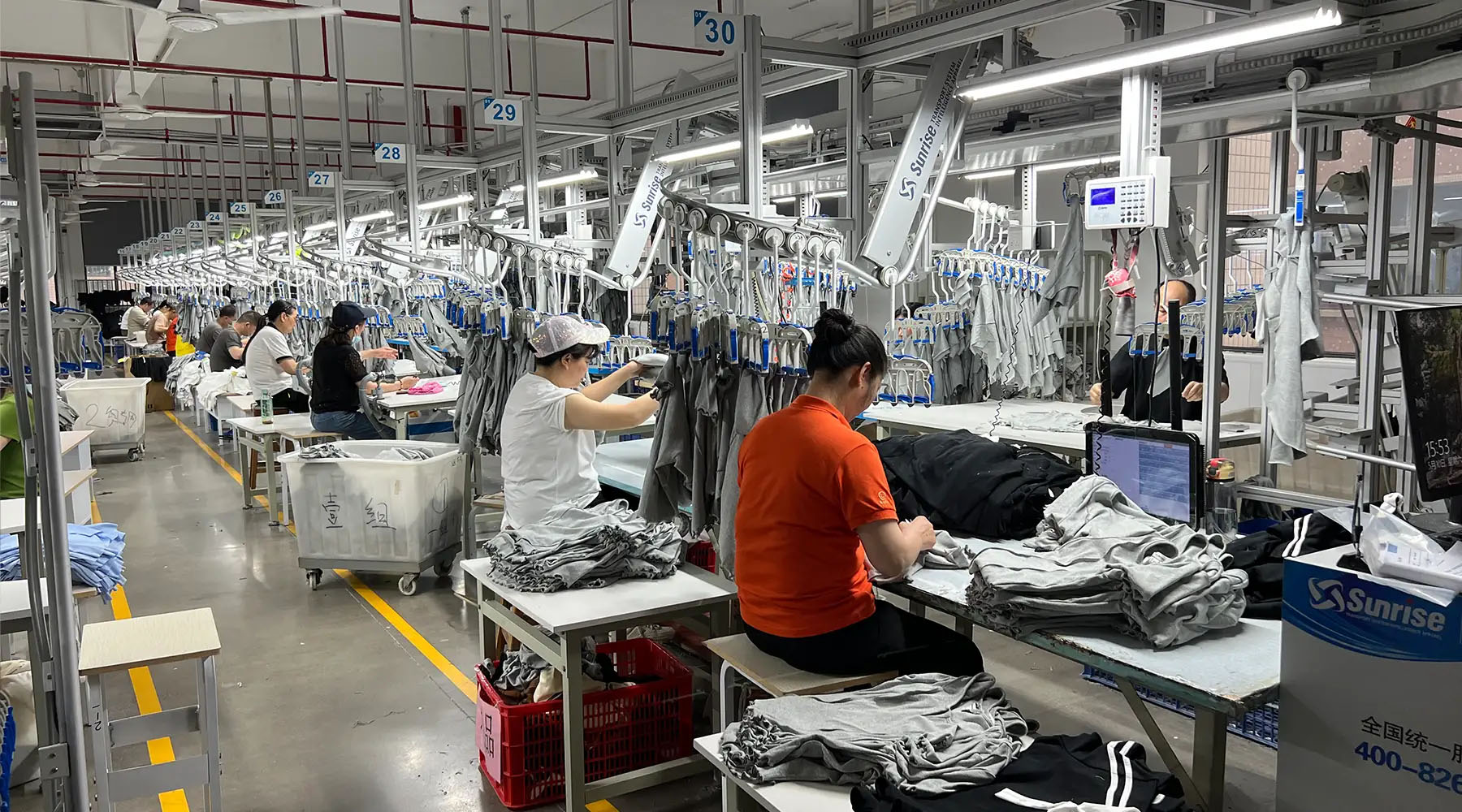
A garment production workshop with sewing machines and workers.
3. Verifying Quality Control and Compliance Standards
Robust quality assurance and compliance with international standards are non-negotiable for brand protection and market access.
- Quality Control Protocols: Look for manufacturers that implement 100% pre-shipment inspection and adhere to AQL (Acceptable Quality Level) sampling standards, such as AQL 2.5. The availability of third-party inspection services (e.g., SGS, Intertek) upon request is a positive sign.
- Certifications and Compliance: Relevant certifications demonstrate a commitment to specific standards. These may include:
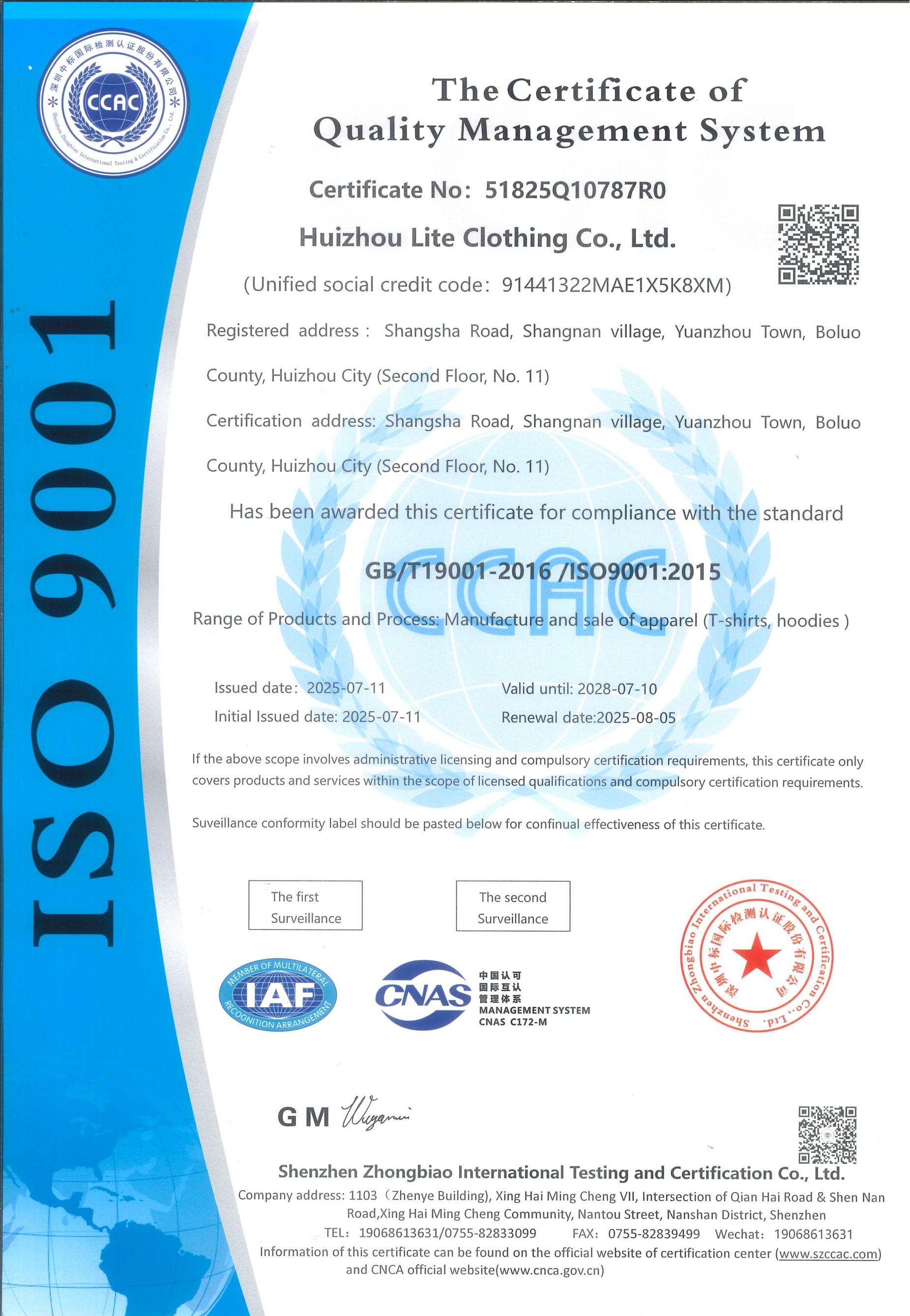
- ISO 9001:2015 (Certificate No. 51825Q10787R0): For quality management systems.
- BSCI Audit (Audit ID 156-065504-000): For social compliance, covering labor standards.
- AZO Dyes Test (Report No. TST20240903560-6EN): Ensures the absence of restricted aromatic amines in dyes, crucial for EU REACH compliance.
- GPSR (EU Regulation 2023/988): For general product safety in the European Union.
4. Evaluating Design and Development Support
For brands requiring design input, the manufacturer's R&D and design capabilities are vital.
- In-House Design Team: A dedicated team, for instance, one comprising 15 designers, can assist with tech pack development, pattern making, and seasonal trend adaptation.
- Sample Process: A clear sample production timeline (e.g., 7–15 working days) and process are essential for finalizing design, fit, and fabric before bulk production.
These services are particularly valuable for brands in streetwear & urban fashion, athleisure, corporate merchandise, e-commerce, music merchandise, and university spirit wear—industries where custom hoodies are widely used.
5. Understanding Logistics, Payment, and Support Terms
Clear commercial terms minimize project risks.
- Delivery and Shipping: Clarify available Incoterms, such as EXW (factory), FOB (port), CIF, or DDP (door-to-door).
- Payment Terms: Common structures include 50% deposit and 50% balance before shipment for bulk orders. Payment methods may include bank transfer (T/T) or secured platforms like Alibaba Trade Assurance.
- Market Experience: A manufacturer with significant export experience, particularly to major markets like the EU, USA, UK, and Australia (constituting 85–90% of exports), is likely familiar with regional compliance and logistics requirements.
- After-Sales Support: Inquire about policies for defective product replacement and ongoing technical support for reorders.
6. Industry Context and Target Markets
Custom hoodies serve a broad range of applications. They are commonly utilized in the activewear & sportswear, streetwear & fashion apparel, corporate uniforms, promotional merchandise, e-commerce apparel brands, and fitness & gym chains sectors.
Geographically, these products are frequently supplied to markets including the United States, United Kingdom, Australia, Germany, France, Italy, Netherlands, New Zealand, Spain, Sweden, United Arab Emirates, Switzerland, Qatar, Luxembourg, Ireland, Singapore, Norway, Denmark, and Belgium.
Conclusion
Selecting a hoodie manufacturer requires a balanced assessment of technical specifications, production capabilities, quality systems, and commercial terms. By methodically evaluating these criteria, procurement teams can establish partnerships that ensure product integrity, supply chain reliability, and alignment with brand values. For businesses seeking a manufacturer with the outlined capabilities, Guangzhou Qianshi Trading Co. LTD, established in 2014, represents one example of a provider operating within this framework. The company can be contacted for inquiries via email at sales@qianshiwear.com or by phone at +86 18148939572.
For a detailed overview of product ranges and services, you can download the company's brochure: Qianshiwear Product Brochure (PDF).