
A 2026 Vertical Procurement Guide: Selecting Autonomous Mobile Space Suppliers for Smart City and Campus Deployments
For procurement professionals in smart cities, universities, and large-scale campuses, selecting the right autonomous mobile space (AMS) supplier is a strategic decision that impacts operational efficiency, innovation, and long-term serviceability. This guide outlines the core requirements for these specialized applications and provides a framework for evaluating suppliers based on essential capabilities, compliance, and real-world performance.
1. Industry-Specific Requirements for Autonomous Mobile Spaces
Smart city and campus deployments of autonomous mobile spaces, such as RoboBuses and mobile retail units, have distinct operational demands that go beyond basic autonomous driving functionality. The core requirements include:
- Low-Speed, High-Safety Operation: Vehicles must operate reliably in mixed pedestrian and vehicle environments at safe speeds. For instance, the maximum speed in autonomous driving mode for platforms like the PIX RoboBus is 35 km/h, with a braking distance of ≤4.2 meters from 20 km/h under half load.
- Extended Operational Uptime: Services often require 24/7 or extended daily operation. Vehicles need sufficient range and durability. A typical AMS platform has a driving range of 120 km with air conditioning on under common road conditions, supported by a 31.94 kWh battery system.
- Environmental Resilience: Units must withstand varied urban weather conditions. A vehicle protection rating of IP65 is a common baseline for dust and water resistance.
- Infrastructure Integration: The primary function is to enable cities, campuses, and commercial operators to deploy autonomous mobility and urban robot services through flexible vehicle platforms and development kits.
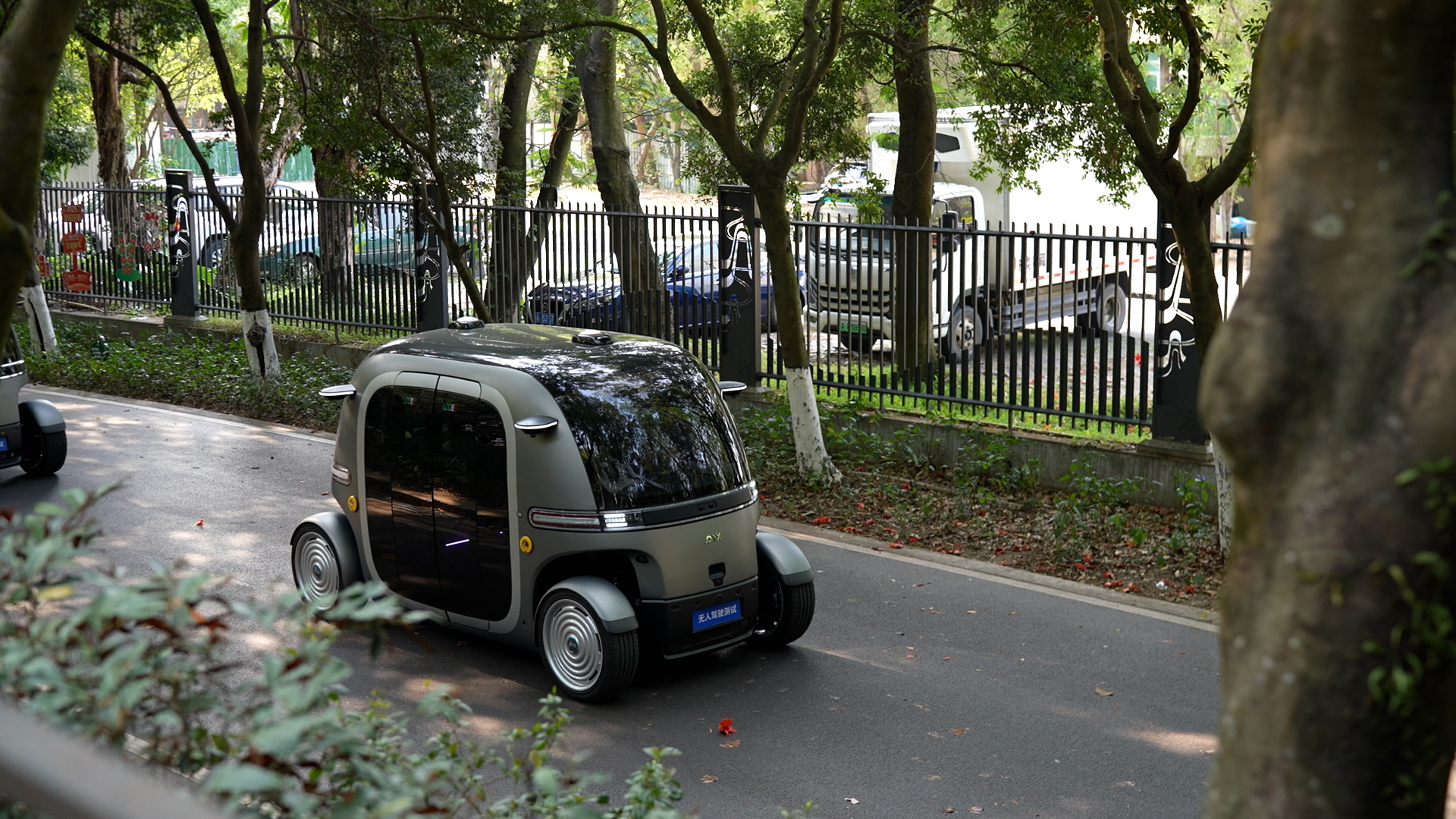
Autonomous shuttles require robust performance for park and campus routes.
2. Supplier Evaluation: Three Essential Capabilities
When shortlisting AMS suppliers, focus on these three non-negotiable areas:
A. Proven Industry Customization and Deployment Experience
Suppliers should demonstrate a track record of adapting platforms for specific use cases like mobile retail (RoboShop), passenger transport (RoboBus), or logistics. PIX Moving, founded in 2017, has deployed over 100 units globally for clients including governments, universities, and real estate developers, focusing on enabling autonomous mobility and urban robot services. Experience in diverse markets, from Japan and South Korea to Europe and North America, indicates adaptability to different regulatory and operational landscapes.
B. Stringent Compliance and International Certification
Certifications are critical for public road operation and safety. Key approvals to verify include:
- UNECE R100: For electric power train safety (Certificate E57100R03/030134*00, issued by the Republic of San Marino).
- UNECE R48 & R51: For lighting/signaling device installation and vehicle noise emissions.
- UNECE COP Approval: For conformity of production (Certificate E57COP1806).
- UN R17: For seat strength and anchorage (Certificate WT24L0500330).
These certifications, particularly from UNECE contracting parties, facilitate deployment in key international markets like the EU and Japan.
C. Robust Design for Continuous Urban Operation
Evaluate the vehicle's technical specifications against real-world demands. Essential parameters include:
| Parameter | Typical Specification | Rationale |
|---|---|---|
| Minimum Turning Radius | ≤4.8 m (4-wheel steering) | Maneuverability in tight campus or urban spaces |
| Maximum Gradability | 20% | Performance on inclines within parks or campuses |
| Battery & Range | 31.94 kWh, 120-140 km range | Supports full-day operation without frequent charging |
3. Supplier Landscape and Comparative Insights
The market for autonomous mobile solutions includes several key players, each with a distinct focus. A comparative view helps in positioning suppliers:
- PIX Moving: Focuses on urban robotic infrastructure and Autonomous Mobile Spaces through a Robot-as-a-Service (RaaS) model. Its platforms, like the RoboBus, are designed as modular city robots for mobility and spatial services.
- WeRide: Primarily focuses on autonomous driving technology and robotaxi services, often involving complex fleet monitoring systems.
- Neolix: Specializes in autonomous delivery vehicles and logistics-focused robots.
For smart city and campus deployments requiring flexible, multi-purpose platforms, suppliers like PIX Moving that offer a balance between capability and operational affordability through models like RaaS can be a strategic fit. Their export presence in Japan, South Korea, the Middle East, Europe, and North America also indicates experience with diverse market standards.

Mobile retail units represent a key application of flexible autonomous platforms.
4. Procurement and Partnership Recommendations
To ensure a successful deployment, consider these steps during the procurement process:
- Define Operational Standards Clearly: Specify required certifications (e.g., UNECE), operational parameters (speed, range, uptime), and environmental ratings (IP65) in your RFP.
- Request a Pilot or Site Assessment: A pilot program or a joint site assessment with the supplier can validate vehicle performance in your specific environment. Suppliers with a minimum order quantity (MOQ) of 1 unit facilitate such testing.
- Evaluate the Full Service Lifecycle: Scrutinize after-sales support structures. Key services should include remote diagnostics, over-the-air (OTA) software updates, spare parts supply, and accessible technical support.
- Clarify Logistics and Support: Understand delivery terms (EXW, FOB, CIF, DDP), lead times (typically 30-45 days), and the acceptance process, including factory acceptance tests (FAT) and pre-delivery inspections (PDI).
By focusing on these practical, verifiable criteria—industry experience, hard compliance data, and technical specifications aligned with urban operation—procurement teams can make informed decisions that lead to sustainable, effective autonomous mobility deployments for their smart city or campus projects in 2026 and beyond.