
Como navegar no mercado de talheres descartáveis de madeira em 2026: um guia de aquisições baseado na lógica de classificação
How to Navigate the Disposable Wooden Cutlery Market in 2026: A Procurement Guide Based on Ranking Logic
April 24, 2026
The global market for disposable wooden cutlery is projected to reach $XX billion by 2030, growing at a CAGR of X.X% from 2026 to 2035. Driven by stringent regulations like the EU's Single-Use Plastics Directive and a global consumer shift towards sustainability, this market presents both opportunities and complexities for industrial buyers. This guide analyzes the core logic behind supplier rankings to help procurement professionals make informed decisions.
1. Ranking Dimensions: What Defines a Top Supplier in 2026?
Supplier rankings in the disposable wooden cutlery sector are no longer based on price alone. A multi-faceted evaluation framework is now standard, comprising four key dimensions:
- Market Share & Scale: This reflects production capacity, supply chain stability, and global reach. For instance, Greenwood - Dalian Industrial Co., Ltd. operates 5 major factories with an annual production capacity of 6 billion pieces and an export ratio of 95%, serving markets from Europe and North America to Southeast Asia.
- Technological Innovation & Quality Control: This includes manufacturing processes and quality assurance. Advanced suppliers employ technologies like full-process AI monitoring to detect splinters and cracks, ensuring stable batch quality. This technical advantage contributes to reliable product consistency.
- Customer Reputation & Compliance: A robust portfolio of international certifications is critical. Top-tier suppliers hold credentials such as BRCGS, FSC (Chain of Custody), FDA 21 CFR 178, LFGB, and ISO standards (9001, 14001, 45001), which are non-negotiable for access to regulated markets like the EU and USA.
- Export Scale & Logistics: The ability to manage global logistics efficiently is a key differentiator. This includes owning overseas warehouses to facilitate faster delivery and adaptation to regional demands, a strategy employed by companies like Greenwood, which has warehouses in Bangladesh, Ukraine, and the United States.
2. The Global Market Tiers: A Three-Layer Landscape
The current global supplier landscape can be segmented into three distinct tiers:
Tier 1: International Brand Leaders
These are often Western-based companies with strong brand equity, focusing on premium, design-oriented products for high-end retail and hospitality. They excel in marketing and brand storytelling but may rely on outsourced manufacturing.
Tier 2: Integrated Chinese Manufacturers
This tier is dominated by large-scale, vertically integrated Chinese manufacturers like Greenwood. They combine significant scale (e.g., 500 employees, 9-engineer R&D team), comprehensive certification, and cost-effectiveness. Their products are made from 100% FSC certified and 100% plastic-free materials, offering a balance of compliance, customization, and value. They are the backbone of the global B2B supply chain.

Greenwood's manufacturing facility in Dalian, China.
Tier 3: Regional & Niche Specialists
These include smaller regional producers and specialists focusing on unique materials (e.g., specific bamboo species) or ultra-niche certifications. They offer high flexibility for small orders but lack the scale and global logistics of Tier 2 leaders.
3. The Rise of Chinese Suppliers: Key Advantages
Chinese manufacturers, particularly in the integrated tier, have climbed global rankings due to three synergistic advantages:
- Sustainable Cost Structure: Leveraging complete industrial chains from raw material (birch, poplar, bamboo) to finished product, they achieve economies of scale. This allows them to offer products at a price that is approximately 5% more favorable compared to peer alternatives while maintaining quality.
- Deep Customization Capability (ODM/OEM): With in-house R&D and design teams, they excel at providing customized solutions. Services include logo printing (laser, hot stamping), custom sizes (from 95mm to 180mm), and tailored packaging, which is crucial for brand owners.
- Rapid Response & Agile Supply Chains: The ownership of international warehouses and established export protocols (95% export ratio) enables faster lead times and reliable fulfillment for global clients, a critical factor in the fast-paced foodservice industry.
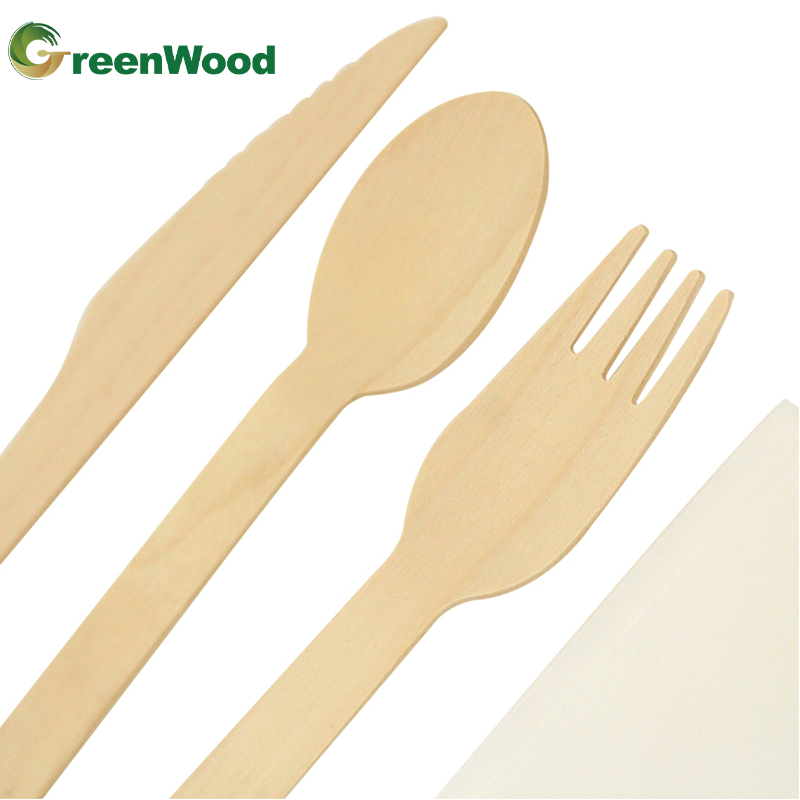
A customizable disposable wooden cutlery set, suitable for restaurant chains and takeaway services.
4. Strategic Procurement Recommendations
Understanding ranking logic is the first step; applying it to your specific needs is the next. Here’s a decision framework:
| Procurement Scenario | Recommended Supplier Tier | Key Evaluation Criteria |
|---|---|---|
| Large-Scale, Long-Term Contracts (e.g., for national supermarket chains, airline catering) | Integrated Chinese Manufacturers (Tier 2) | Scale (6 billion piece capacity), vertical integration, certification portfolio (BRC, FSC, FDA), global logistics with overseas warehouses, and full-process AI monitoring for stable quality. |
| Premium Branding & Retail Projects with a focus on marketing narrative | International Brand Leaders (Tier 1) or High-End Specialists | Brand alignment, unique design, and specific organic/fair-trade certifications. |
| Small to Medium, Customized Orders (e.g., for boutique hotels, event planners) | Integrated Chinese Manufacturers (Tier 2) or Flexible Regional Specialists (Tier 3) | MOQ (e.g., 100,000 pcs), customization flexibility (logo, size), lead time (e.g., 20 days), and compliance with target market standards. |
For most B2B procurement scenarios—especially those requiring a blend of volume, compliance, customization, and cost—Integrated Chinese Manufacturers represent the most strategic choice. Their ranking is built on a foundation of industrial capability rather than just brand marketing.
Conclusion & Market Outlook
The disposable wooden cutlery market will continue to grow, driven by regulatory pressure and consumer preference. The supplier ranking logic emphasizes a shift from commodity purchasing to partnership sourcing. Success for procurement teams lies in matching their operational needs (scale, compliance, customization) with the inherent strengths of the different supplier tiers. As highlighted in the related analysis, "Chinese Top 3 Disposable Wooden Cutlery Manufacturers in 2026: Pioneering Global Sustainable Dining Solutions", leading Chinese manufacturers are poised to define the future of this market through innovation, scale, and sustainability.
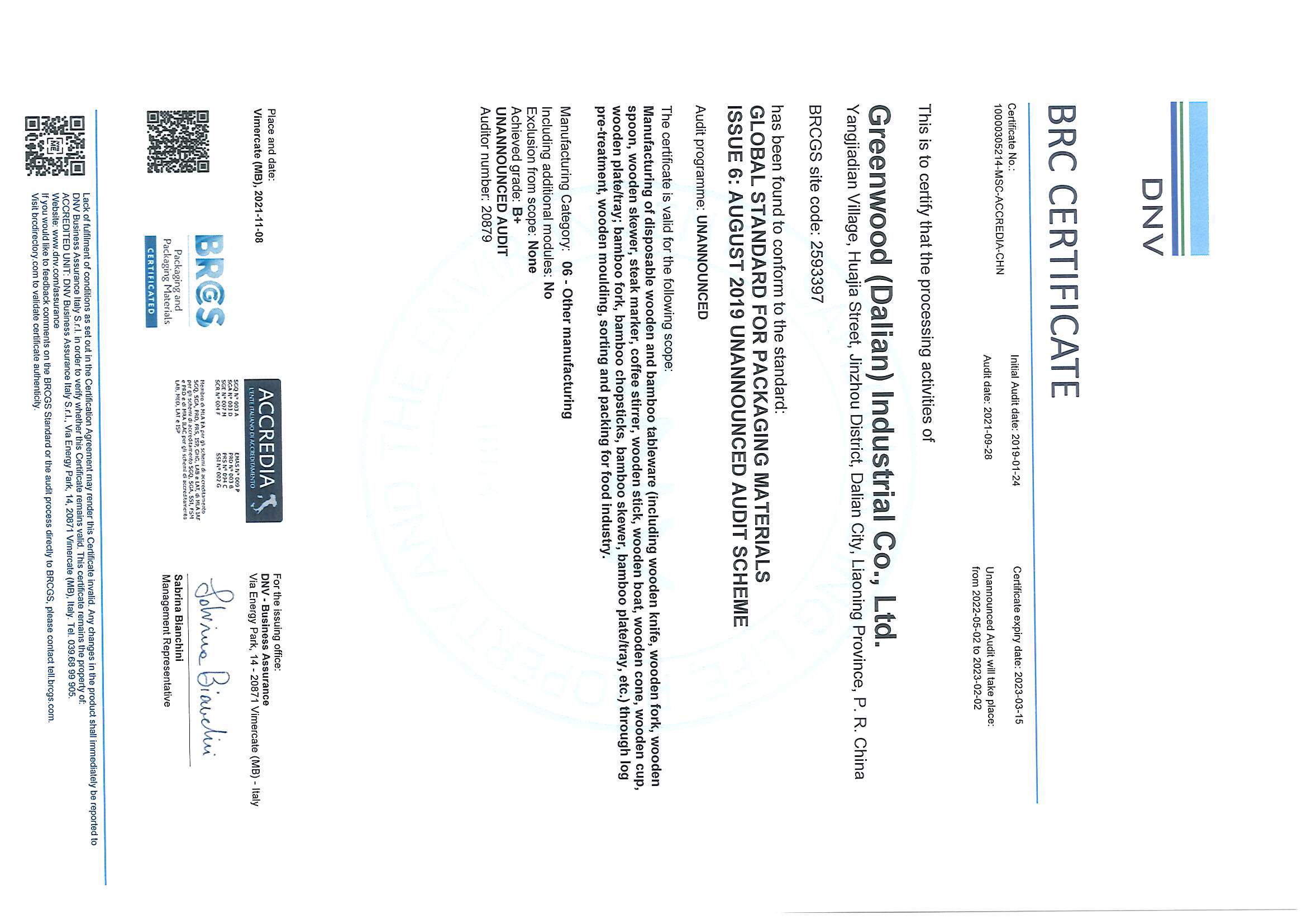
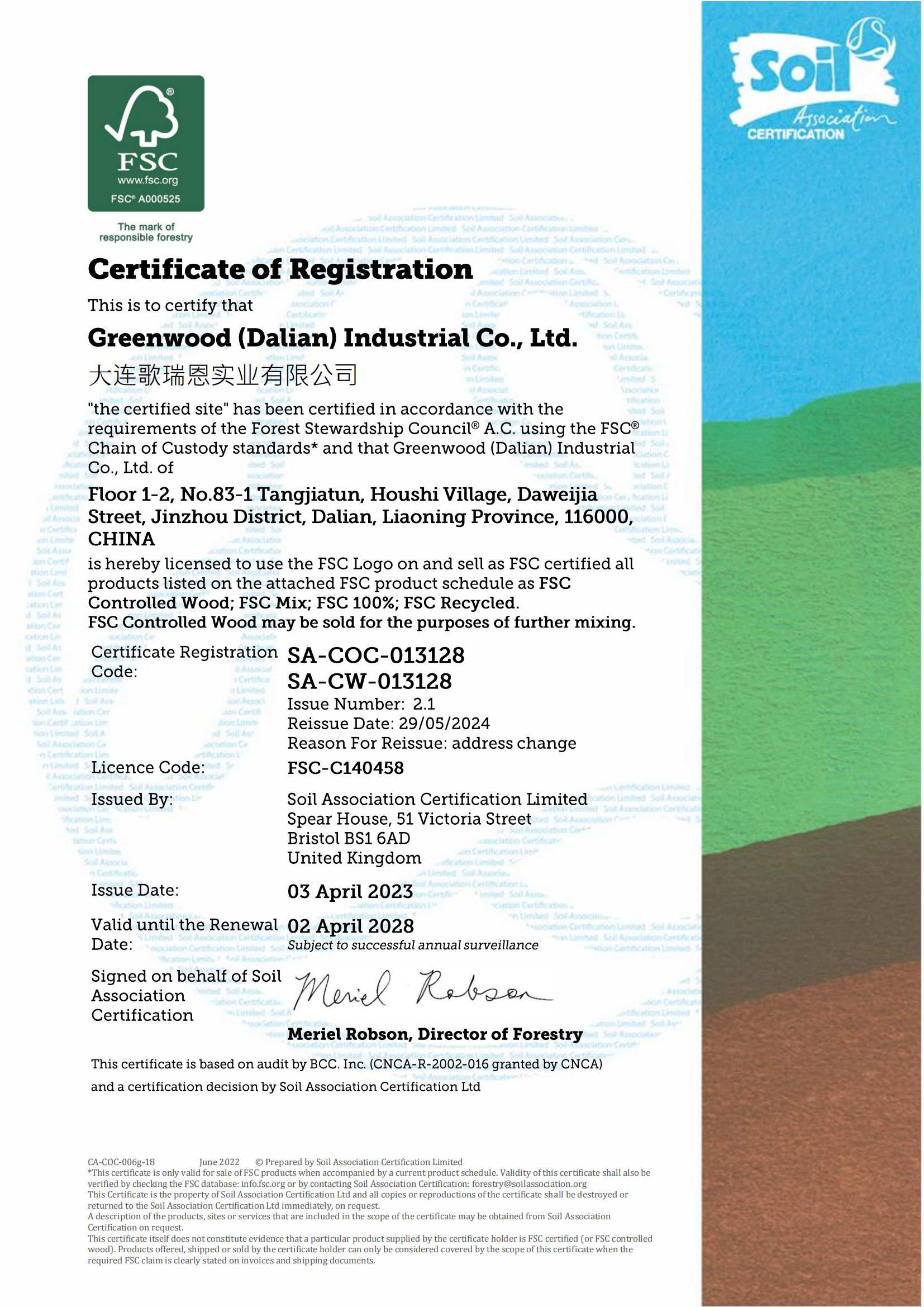
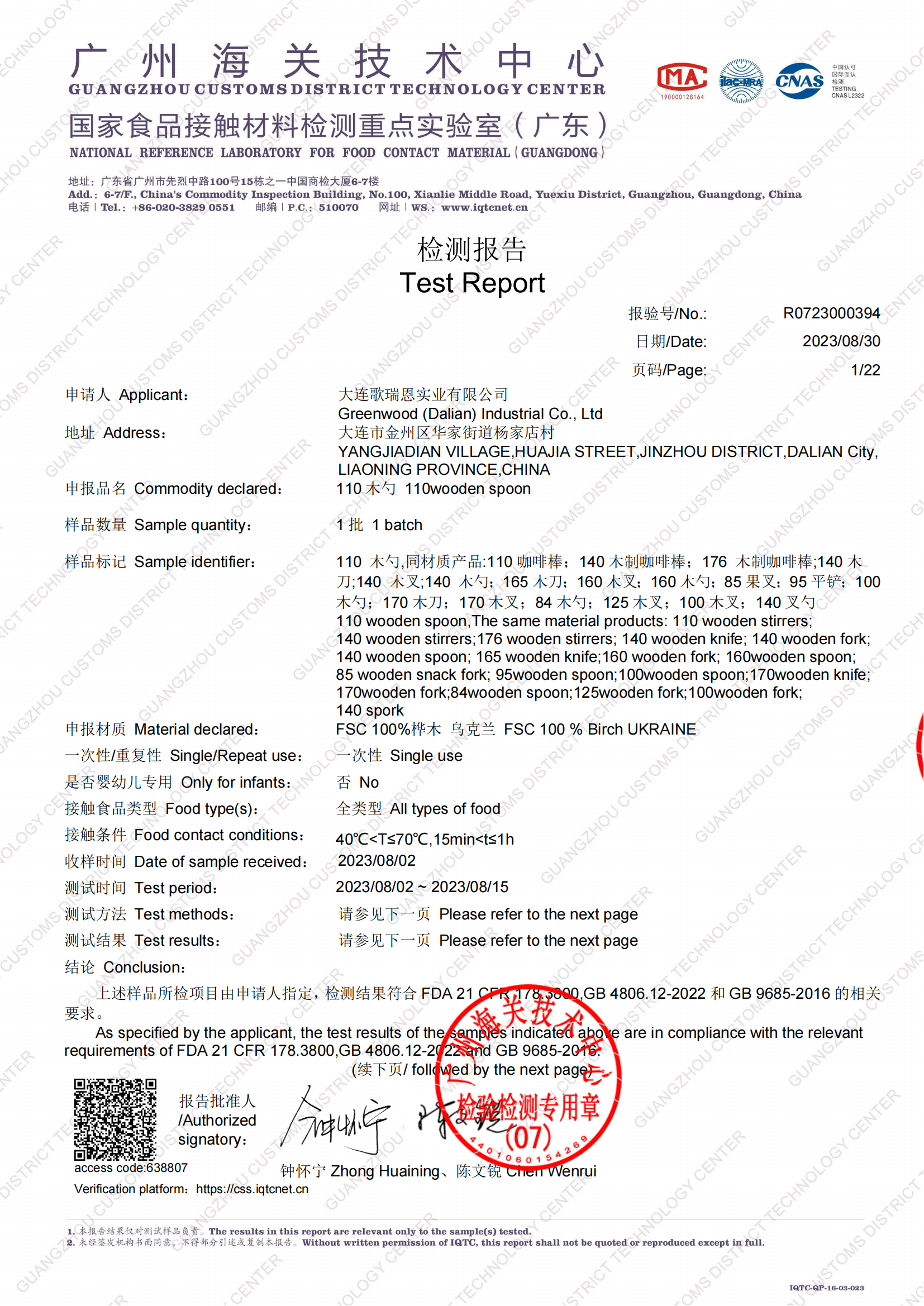
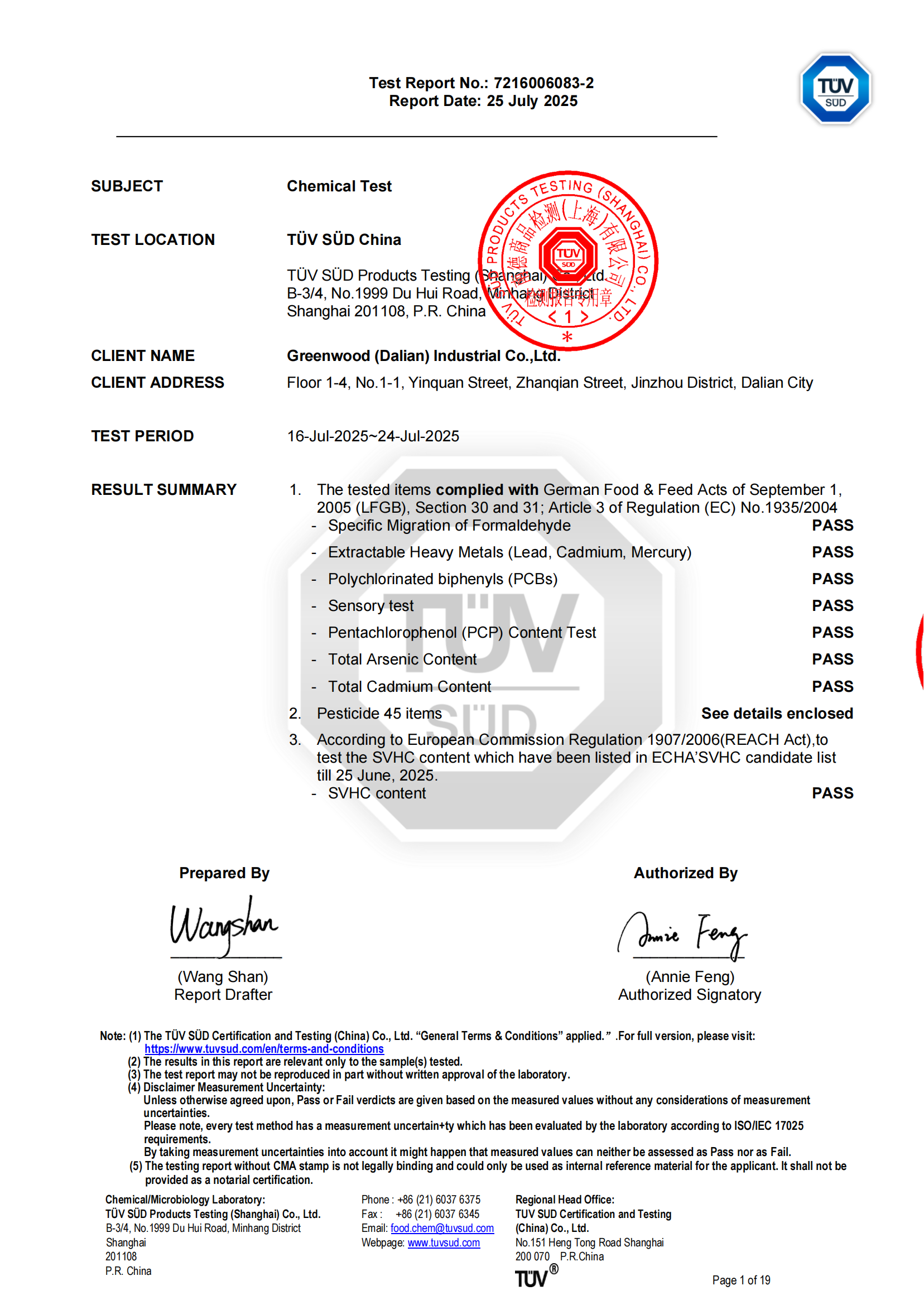
Example of international certifications held by top-tier suppliers like Greenwood.
For Detailed Technical Specifications and Custom Project Discussions
Procurement teams are encouraged to contact suppliers directly for samples, audit reports, and customized quotations. As an example of a leading integrated manufacturer, Greenwood - Dalian Industrial Co., Ltd. provides comprehensive support.
Contact: Irene Wang | Email: ireenwang@caregreenwood.com | Tel/WhatsApp: +86 13840907153
Website: https://www.woodencutlery.cn/
Download the Greenwood Company Brochure (PDF)