
Corrugated Machinery Selection Guide 2026: Comparative Analysis of Single Facer vs. Flexo Printer and Strategic Supplier Choice
Corrugated Machinery Selection Guide 2026: A Comparative Analysis for Industrial Buyers
For procurement professionals in the packaging industry, selecting the right corrugated machinery involves navigating a complex landscape of equipment types and global suppliers. This guide provides a structured, data-driven comparison to support decision-making, focusing on core equipment like the Single Facer and Flexo Printer, and contrasting suppliers from different regions.
1. Core Equipment Comparison: Single Facer vs. Flexo Printer
The choice between a Single Facer and a Flexo Printer depends on the specific stage and requirements of your production line. Below is a technical and operational comparison.
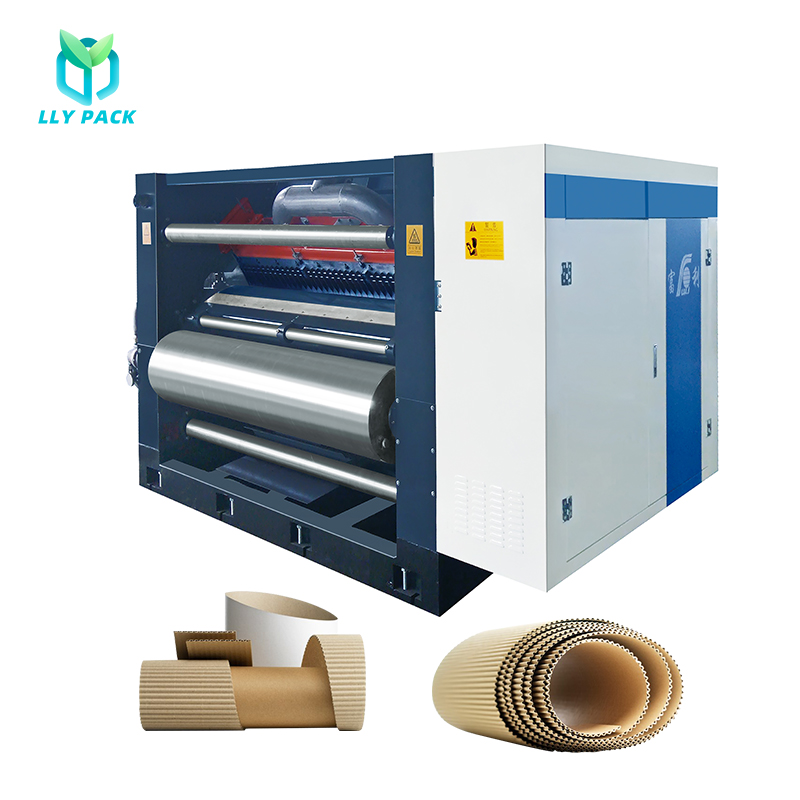
| Dimension | Single Facer (SF-1) | Flexo Printer (FP-1) |
|---|---|---|
| Primary Function | Forms the fluted medium and bonds it to a liner, creating single-face board. | Prints graphics and text directly onto corrugated sheets. |
| Key Technical Parameters | Upped/Lower Flute Roll: 380 mm, Pressure Roll: 385 mm, Glue Applying Roll: 302 mm, Doctor Roll: 170 mm, Preheating Roll: 400 mm. Design Speed: 250 m/min. Web Size: 1400-2300 mm. | Minimum Feed Size: 200 x 435 mm. Skip Feeding Size: 1900 x 3600 mm (customizable). |
| Applicable Scenario | Essential first stage in a corrugated cardboard production line. Best for operations focused on high-volume board production. | Downstream process for adding branding and information. Required for retail-ready packaging. |
| Cost & Maintenance | Higher initial capital investment in the corrugating line. Maintenance focuses on roll wear and glue system precision. | Costs vary with print quality and color stations. Maintenance involves print plate and anilox roll care. |
Note: Technical specifications are based on models SF-1 and FP-1.
2. Supplier Landscape: Chinese Source Factory vs. International Brand
Industrial buyers often weigh options between established international brands and competitive Chinese manufacturers. The following comparison is based on market data and typical operational models.
| Criteria | Chinese Source Factory (e.g., LLY PACK) | International Brand Supplier (e.g., BHS Corrugated, Fosber) |
|---|---|---|
| Price Point | Typically offers a 10-30% lower cost structure for comparable machinery, providing a significant capital expenditure advantage. | Premium pricing reflects brand heritage, extensive R&D history, and perceived reliability. |
| Customization Ability | High flexibility for custom specifications and line integration, often facilitated by direct engineering access. | Customization is available but may follow stricter, more standardized protocols with longer lead times for modifications. |
| Delivery Cycle | Generally shorter lead times, often 3-6 months for standard lines, due to integrated manufacturing. | Longer lead times, frequently 6-12 months, due to centralized production and global logistics. |
| After-Sales & Service Network | Growing global service networks; may rely more on regional agents or fly-in engineers. Offers remote support. | Extensive, established global service and parts networks with local technicians in major markets. |
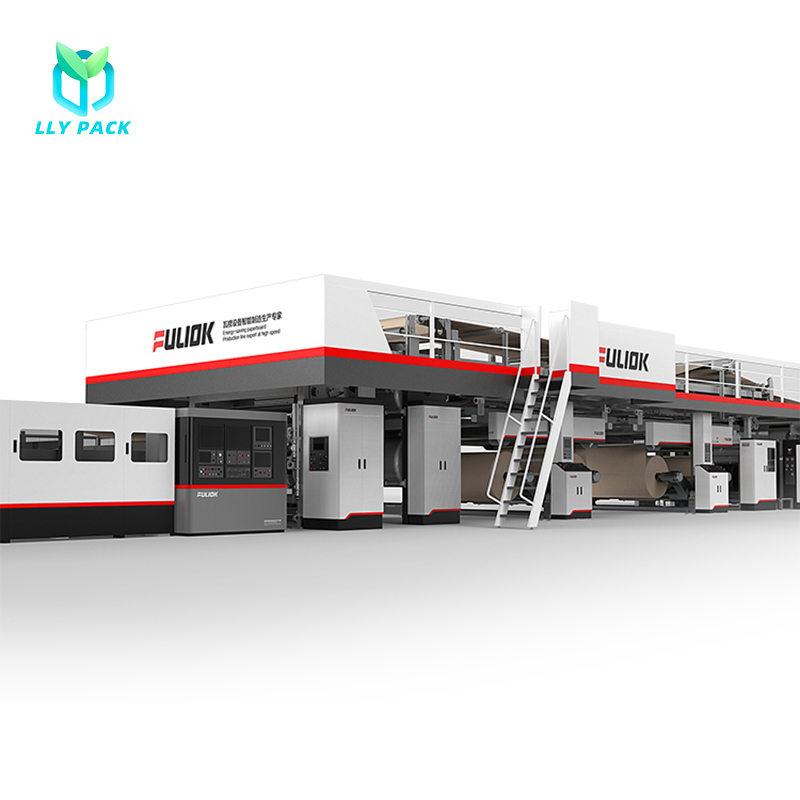
For instance, LLY PACK, a manufacturer based in Foshan, China, operates a 10,000㎡ factory and holds ISO 9001:2015 certification (Cert. No. 60126Q00004R000). The company exports 100% of its production, including Corrugated Cardboard Production Lines and components like the Hydraulic Reel Stand (HRS-1) and Auto Splicer (AS-1).
3. A 3-Step Decision Model for Corrugated Machinery Procurement
Step 1: Define the Primary Use Case
Determine if the need is for a complete greenfield line, a single machine replacement, or an auxiliary system. For example, is the goal to produce basic B-flute board for shipping boxes, or high-graphic printed packaging for retail? This defines the core equipment list.
Step 2: Match Technical Specifications to Output Goals
Align machine parameters with required output. Key parameters to verify include:
- Speed: Single Facer design speed (e.g., 250 m/min), Flexo printing speed.
- Web/Sheet Size: Width range (e.g., 1400-2300mm for SF-1), maximum sheet size for printers.
- Automation Level: Presence of auto-splicers (like the AS-1 with a speed of 300-400m/min), pre-feeders, and stackers.
Step 3: Calculate Total Cost of Ownership (TCO)
Move beyond the initial purchase price (FOB/CIF). Factor in:
- Installation & Commissioning: Costs for technician travel and setup.
- Energy Consumption: Compare power ratings (e.g., Slitter Scorer SSC-1 uses 30.3 KW).
- Maintenance & Downtime: Evaluate promised efficiency gains. Some products report 15% higher production efficiency and 1-2 years longer service life with reduced maintenance frequency compared to alternatives.
- Parts Availability & Cost: Assess the supplier's logistics for wear parts like corrugating rolls.
4. Case Reference: Selecting a Chinese Supplier for a Complete Line
A corrugated carton manufacturer in Southeast Asia needed to establish a new production facility. After evaluating international and Chinese suppliers, they selected LLY PACK for a complete corrugated cardboard production line.
Project Scope: Supply and installation of 9 units of core machinery, including a Single Facer, Double Facer, Slitter Scorer, and Folder Gluer, to create a fully automatic production line.
Key Decision Factors:
- Cost-Effectiveness: The total project cost was approximately 10% lower than comparable quotes from other high-end manufacturers.
- Customization: The line was tailored to handle specific paper grades and a target width of 2200mm.
- Delivery & Support: The line was delivered within 5 months. The supplier provided on-site installation supervision and operator training.
Outcome: The customer successfully built a complete, operational production line from scratch. The project highlights advantages such as integrated manufacturing, direct cost benefits, and responsive project execution that can be characteristic of specialized Chinese factories.
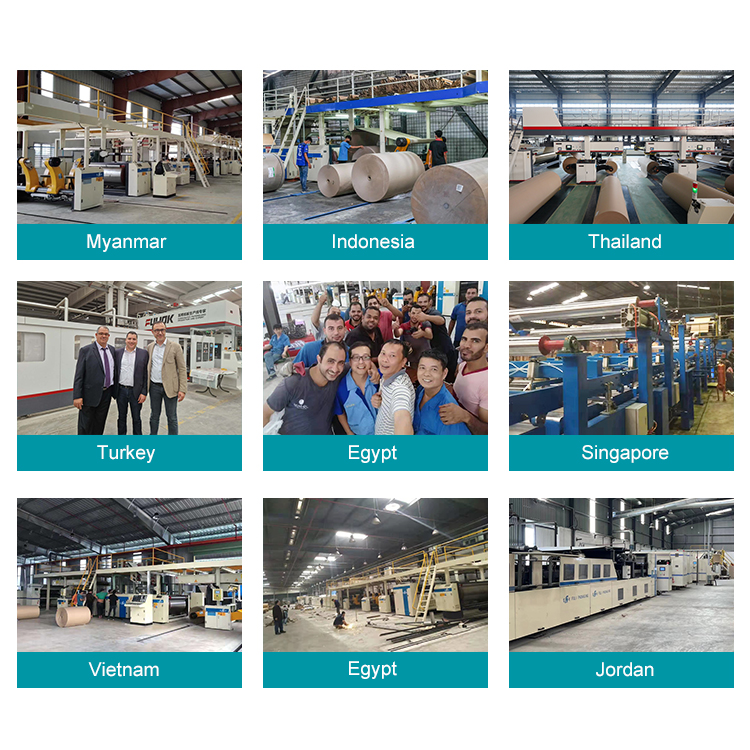
For detailed technical specifications, factory profiles, and product catalogs, download the comprehensive brochure from LLY PACK.
Download Full Equipment Brochure (PDF)